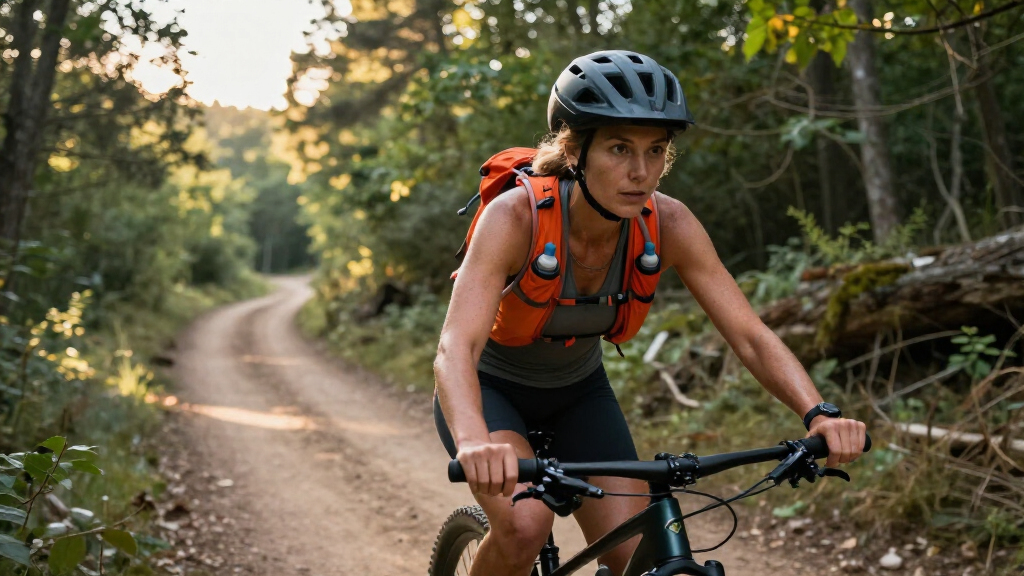
For most trail riders, I’d start with the CamelBak M.U.L.E. 12: its bike-focused capacity suits longer rides when you need water and room for essentials. The Osprey Raptor 10 is a strong alternative for riders who want a compact, cycling-specific pack, while the USWE Airborne puts a closer fit and reduced bounce at the center. The main choice is how much you need to carry versus how little you want to feel on your back, with fit, reservoir access, and weather protection also shaping the decision. Larger packs offer more room but can feel excessive on short rides; compact designs trim bulk but leave less space for layers and tools. Read on for how I’d match each pack to different riding needs.

Get sports gear delivered free — and shop member deals
- Fast, free delivery on millions of items
- Access to Prime Big Deal Days deals on October 6–7
- Prime Video, Amazon Music and more included
Complete the kit


Key Takeaways
- The CamelBak M.U.L.E. 12 is the most balanced trail pick for riders who want cycling-focused storage without moving to a larger day pack.
- The Osprey Raptor models split by ride length: the 10L suits a tighter carry, while the 14L makes more sense when extra layers or supplies matter.
- The USWE Airborne prioritizes a secure, low-bounce fit, which can matter more on rough trails than having the largest storage volume.
- The CamelBak Hydrobak and Classic favor simpler, smaller carries; riders needing room for substantial gear should look to larger options.
- The Teton and Unigear packs trade bike-specific focus for broader utility, so their larger or general-purpose layouts suit riders who also hike or want flexible use.
| CamelBak Classic Bike Hydration Pack |  | Best for Long Rides with Minimal Gear | Capacity: 85 oz | Reservoir: Crux | Back panel material: Breathable air mesh | VIEW LATEST PRICE | See Our Full Breakdown |
| Osprey Raptor 10L Men’s Mountain Bike Hydration Pack, Gray OS |  | Best for Organized All-Day Trail Riding | Pack volume: 10 L | Reservoir capacity: 2.5 L | Item dimensions: 18.9 × 9.8 × 9.1 in | VIEW LATEST PRICE | See Our Full Breakdown |
| CamelBak Hydrobak Hydration Reservoir Bike Pack |  | Best Compact Pick for Short Rides | Capacity: 50 oz | Reservoir: Crux | Construction: Durable construction | VIEW LATEST PRICE | See Our Full Breakdown |
| Teton Oasis/Trailrunner Hydration Backpack |  | Best for Weather-Ready Gear Carry | Water bladder capacity: 2 L or 3 L | Storage capacity: 18 L or 22 L | Rain cover: Sewn-in | VIEW LATEST PRICE | See Our Full Breakdown |
| CamelBak M.U.L.E. 12 Mountain Bike Hydration Pack |  | Best Overall for All-Day Mountain Biking | Pack capacity: 12 L | Reservoir size: 100 oz | Fit: Ergonomic | VIEW LATEST PRICE | See Our Full Breakdown |
| Unigear Hydration Pack Backpack with 2L Water Bladder for Hiking & Cycling | 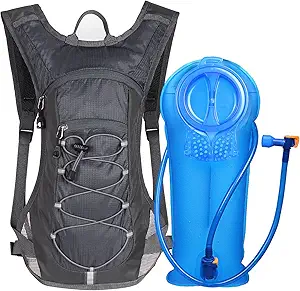 | Best Lightweight Value | Bladder capacity: 2 liters | Material: 100% nylon | Pack weight: 1.1 lb | VIEW LATEST PRICE | See Our Full Breakdown |
| USWE Airborne Limited Race Edition Hydration Backpack with Water Bladder |  | Best for Fast, Technical Rides | Total storage capacity: 3 liters | Hydration bladder capacity: 2 liters / 70 oz | Pack weight: 415 g, excluding bladder | VIEW LATEST PRICE | See Our Full Breakdown |
| Osprey Berm Biking Backpack with Hydraulics Reservoir |  | Best for Mid-Distance Rides | Reservoir capacity: 2.5 liters | Weight: 1.27 lb / 574 g | Dimensions: 16.1 x 8.3 x 7.9 in / 41 x 21 x 20 cm | VIEW LATEST PRICE | See Our Full Breakdown |
| Osprey Raptor 14L Men’s Mountain Biking Backpack with Hydraulics Reservoir |  | Best for All-Day Gear Carry | Pack capacity: 14 liters | Reservoir capacity: 2.5 liters | Weight: 2.22 lb | VIEW LATEST PRICE | See Our Full Breakdown |
| mountain bike hydration pack | Harness |
|---|---|
| CamelBak Classic Bike Hydratio | Ventilated |
| Osprey Raptor 10L Men’s Mounta | Winged harness |
| CamelBak Hydrobak Hydration Re | Ventilated |
| Teton Oasis/Trailrunner Hydrat | — |
| CamelBak M.U.L.E. 12 Mountain | — |
| Unigear Hydration Pack Backpac | — |
| USWE Airborne Limited Race Edi | — |
| Osprey Berm Biking Backpack wi | Adjustable |
| Osprey Raptor 14L Men’s Mounta | Winged harness |
More Details on Our Top Picks
CamelBak Classic Bike Hydration Pack
The CamelBak Classic pairs an 85 oz Crux reservoir with a breathable mesh back panel, making it a sensible choice when water matters more than carrying a change of layers or tools. Its capacity is larger than the Hydrobak’s 50 oz reservoir, so riders can spend longer between refills. A ventilated harness helps keep the pack stable, while reflective accents add visibility when a ride runs late. The tradeoff is its spare storage: the single zippered pocket is suited to small essentials, not bulky trail gear. Compared with the CamelBak M.U.L.E. 12, it gives up multiple compartments and tube management for a simpler carry. Choose it for hydration-focused rides; skip it if your kit needs room to expand.
Pros:- 85 oz Crux reservoir supports longer stretches between refills
- Breathable mesh back panel and ventilated harness support airflow and stability
- Reflective accents add visibility in low light
- Zippered pocket holds small ride essentials
Cons:- Limited pocket space for tools, layers, or larger items
- No listed insulation or multiple compartments
Best for: Mountain bikers on longer rides who want substantial water capacity and only need room for small essentials
Not ideal for: Riders carrying repair gear, extra layers, or bulky items who need organized storage
- Capacity:85 oz
- Reservoir:Crux
- Back panel material:Breathable air mesh
- Harness:Ventilated
- Storage:Zippered pocket
- Visibility:Reflective accents
Our verdict“Pick the Classic when you want more water than the Hydrobak carries but do not need the M.U.L.E. 12’s broader storage.”
Osprey Raptor 10L Men’s Mountain Bike Hydration Pack, Gray OS
The Osprey Raptor 10L suits riders who want trail essentials arranged inside a bike-specific pack rather than relying on a single small pocket. Its winged harness and hipbelt are designed to hold the load securely, and the 2.5 L reservoir is readily accessible for refills or cleaning. That organization makes it a more versatile carry than the CamelBak Classic, whose 85 oz reservoir is ample but whose listed storage is limited. The Raptor’s cost in comfort is its 2.09 lb item weight, which may feel like extra burden on short, light rides. Its listed dimensions also point to a substantial pack. Choose it for all-day outings or repeated bike park laps; riders focused on a minimalist setup may prefer the lighter, smaller Hydrobak.
Pros:- Winged harness and hipbelt support a secure fit while riding
- 2.5 L reservoir provides a substantial water supply
- Internal organization helps separate trail essentials
- Quick-access reservoir supports convenient refills
Cons:- Listed weight of 2.09 lb may feel heavy on short rides
- Large listed dimensions may be more pack than minimalist riders need
Best for: Mountain bikers who carry tools, snacks, and other trail essentials and want a secure, organized pack for long outings
Not ideal for: Minimalist riders and short-ride commuters who want a lighter pack with less structure
- Pack volume:10 L
- Reservoir capacity:2.5 L
- Item dimensions:18.9 × 9.8 × 9.1 in
- Item weight:2.09 lb
- Harness:Winged harness
- Waist support:Hipbelt
- Organization:Internal organization
- Reservoir access:Quick access
- Listed color and size:Gray, OS
Our verdict“Choose the Raptor 10L for organized, secure all-day carrying, and the Hydrobak if low weight and compactness matter more.”
CamelBak Hydrobak Hydration Reservoir Bike Pack
The CamelBak Hydrobak is the compact choice for quick trail loops and bike commutes where a full gear-carrying pack would feel excessive. Its 50 oz Crux reservoir provides less water than the Classic’s 85 oz, but the smaller capacity fits its short-ride focus and keeps the setup minimalist. A breathable air mesh back panel, ventilated harness, and ergonomic handle add practical comfort and handling details, while the zippered pocket covers small essentials. That pocket does not turn it into a gear hauler: the Osprey Raptor 10L is better suited to riders who need organized space for all-day supplies. The Hydrobak’s tradeoff is straightforward—less water and little room for larger items. Pick it when compact carry matters more than range or storage.
Pros:- Compact, lightweight design suits short rides and commutes
- 50 oz Crux reservoir provides a defined hydration supply
- Air mesh back panel and ventilated harness support airflow
- Zippered pocket secures small essentials
Cons:- 50 oz capacity is less than the CamelBak Classic’s 85 oz
- Limited storage cannot accommodate larger trail gear
- Short-ride focus makes it less suited to all-day outings
Best for: Commuters and mountain bikers taking short loops who want a lightweight, compact hydration pack with a small essentials pocket
Not ideal for: Riders planning long outings who need a larger reservoir or room for tools and extra layers
- Capacity:50 oz
- Reservoir:Crux
- Construction:Durable construction
- Back panel:Air mesh
- Harness:Ventilated
- Handle:Ergonomic
- Storage:Zippered pocket
Our verdict“Choose the Hydrobak for short rides and commutes; move up to the Classic or Raptor 10L for more water or gear.”
Teton Oasis/Trailrunner Hydration Backpack
The Teton Oasis/Trailrunner stands apart from the CamelBak packs by combining a sewn-in rain cover and an insulated bladder pocket with 18 L or 22 L of storage. That makes it a better fit for riders carrying extra clothing and gear in changeable weather than the compact Hydrobak or the hydration-focused Classic. Its 2 L or 3 L bladder options let buyers choose their water capacity, and adjustable straps support a range of users. The tradeoff is that this pack also targets hiking and running, so its larger storage may be unnecessary for a short bike ride. The provided details do not specify a bike-specific harness or mountain-bike organization features like those listed for the Osprey Raptor 10L. Choose it when weather protection and room for gear outrank a narrowly bike-focused setup.
Pros:- Sewn-in rain cover helps protect carried gear in wet weather
- 2 L or 3 L bladder options let riders choose water capacity
- 18 L or 22 L storage offers room for extra clothing and supplies
- Insulated pocket is designed to keep water cold
Cons:- Large storage capacity may be excessive for short rides
- Listed use spans hiking, running, and cycling, without specified bike-specific harness details
- Bladder and hose require regular cleaning
Best for: Mountain bikers who bring extra layers and gear and want a rain cover plus a choice of 2 L or 3 L bladder
Not ideal for: Riders who want a compact, bike-focused carry for short rides or minimal trail essentials
- Water bladder capacity:2 L or 3 L
- Storage capacity:18 L or 22 L
- Rain cover:Sewn-in
- Material:High-density foam and breathable mesh
- Bladder pocket:Insulated
- Fit:Adjustable straps
- Intended activities:Hiking, running, cycling, and biking
Our verdict“Choose the Teton when you need weather protection and substantial gear space, while the Raptor 10L is the more bike-specific option.”
CamelBak M.U.L.E. 12 Mountain Bike Hydration Pack
The CamelBak M.U.L.E. 12 earns the all-day role by pairing a 100 oz reservoir with 12 liters of storage, ventilation, and magnetic tube management. That combination supports riders who need to carry water and organize trail essentials without stepping up to the Teton’s 18 L or 22 L outdoor pack. Compared with the Classic, the M.U.L.E. offers more storage and easier tube handling, while its larger capacity and multiple compartments make it bulkier than the Hydrobak for short spins. The ergonomic fit and ventilation target extended time on the bike, but those features do not erase the extra volume on a minimalist ride. Choose it when long trail days call for both hydration and gear space; skip it if you carry only water and a few small items.
Pros:- 100 oz reservoir provides substantial water capacity
- 12 L pack offers multiple compartments for trail gear
- Magnetic tube management keeps the drinking tube accessible
- Ventilation system and ergonomic fit are suited to longer rides
Cons:- 12 L volume may feel bulky on short rides
- More storage and features add complexity compared with the minimalist Hydrobak
Best for: Mountain bikers on all-day rides who need a large water supply, multiple gear compartments, and managed hydration tubing
Not ideal for: Commuters and short-loop riders who want a compact pack with room for only water and small essentials
- Pack capacity:12 L
- Reservoir size:100 oz
- Fit:Ergonomic
- Ventilation:Ventilation system
- Tube management:Magnetic
- Storage:Multiple compartments
Our verdict“Choose the M.U.L.E. 12 for long rides that need both generous hydration and organized storage; the Classic is simpler when you mainly need water.”
Unigear Hydration Pack Backpack with 2L Water Bladder for Hiking & Cycling
The Unigear is a straightforward choice for riders who want water on shorter mountain bike outings without carrying a larger trail pack. Its 2-liter bladder and 1.1-pound weight keep the load modest, while adjustable straps help it sit securely across different layers. Compared with the USWE Airborne, it offers less storage detail and lacks a stated bounce-free harness, but its simple setup may suit casual riders who do not need race-focused stability. The splash-resistant nylon helps protect small essentials from trail spray; it is not a substitute for a rain cover. The front pocket is notably limited, so riders carrying tools, food, and extra layers may prefer the roomier Osprey Raptor 14L. Choose this for basic hydration and a light carry, accepting minimal organization.
Pros:- Includes a 2-liter BPA-free bladder
- Light 1.1-pound pack weight
- Adjustable straps allow fit changes
- Splash-resistant nylon helps shield contents from spray
Cons:- Small front pocket limits gear organization
- No dedicated bounce-control harness is specified
- Cooling airflow feature may not noticeably lower water temperature
Best for: Casual mountain bikers on short rides who want a light pack with an included 2-liter bladder and only a few small essentials.
Not ideal for: All-day riders who carry tools, food, and extra layers, since the small front pocket offers limited room for trail gear.
- Bladder capacity:2 liters
- Material:100% nylon
- Pack weight:1.1 lb
- Dimensions:16.5 x 8 x 6 in
- Included components:Backpack and bladder
- Material finish:Splash-resistant
Our verdict“Pick the Unigear for lightweight hydration on shorter rides when you can leave most gear behind.”
USWE Airborne Limited Race Edition Hydration Backpack with Water Bladder
The USWE Airborne is the most focused choice here for riders who want a compact pack to stay planted over rough trails. Its bounce-free harness addresses a common annoyance on technical descents: a shifting load that distracts from bike control. The pack has 3 liters of total storage and a 2-liter bladder, with a phone pocket and quick-stash space for essentials. Compared with the Unigear, it offers more purposeful organization and a specified stability system; compared with the Osprey Raptor 14L, it carries far less gear and weighs less before adding the bladder. That makes it a better fit for fast rides than long days requiring layers or extensive tools. Its stated torso range of 33 to 43.3 inches may also rule out some riders, so fit is central to the choice.
Pros:- Bounce-free harness is designed to keep the load stable
- 2-liter bladder included
- Phone, organizer, and quick-stash pockets separate essentials
- Helmet carry adds flexibility between trail sections
Cons:- 3-liter total storage limits extra gear
- Specified torso range may not fit all body types
- Pack weight excludes the bladder
Best for: Mountain bikers who ride technical trails at speed and want a stable, low-capacity pack with organized space for ride essentials.
Not ideal for: Riders needing room for spare layers, substantial tools, or a broad torso fit range; its storage is limited and the listed torso range may not suit everyone.
- Total storage capacity:3 liters
- Hydration bladder capacity:2 liters / 70 oz
- Pack weight:415 g, excluding bladder
- Torso size range:33–43.3 in / 84–110 cm
- Back panel:Lightweight high-ventilation mesh
- Pockets:Organizer, water-resistant phone, and quick-stash pockets
- Helmet carry:Yes
Our verdict“Choose the USWE Airborne for technical rides where a stable fit and compact organization matter more than carrying extra gear.”
Osprey Berm Biking Backpack with Hydraulics Reservoir
The Osprey Berm suits riders who want more water capacity than a basic 2-liter setup while keeping the pack relatively light. Its 2.5-liter Hydraulics reservoir gives a longer hydration margin than the Unigear or USWE Airborne, both listed with 2-liter bladders. A ventilated backpanel and adjustable harness are aimed at comfort over mid-distance rides, and the description calls out organized compartments for carrying trail essentials. Unlike the Osprey Raptor 14L, the Berm is positioned as a lighter, simpler ride pack rather than an all-day gear carrier. The tradeoff is fit certainty: it is one size, so riders outside its intended fit may find the harness less dialed in. No reflective details are specified, which may matter to riders who regularly finish in low light.
Pros:- 2.5-liter reservoir holds more water than the 2-liter options
- Ventilated backpanel supports airflow
- Adjustable harness allows fit tuning
- Organized compartments provide space for ride essentials
Cons:- One-size fit may not work equally well across body types
- No reflective elements are specified
- Less capacity than the 14-liter Osprey Raptor for bulky all-day gear
Best for: Riders taking mid-distance mountain bike outings who want a 2.5-liter reservoir, ventilation, and organized storage in a lighter pack.
Not ideal for: Riders who need a precise range of pack sizes or rely on specified reflective details for low-light rides.
- Reservoir capacity:2.5 liters
- Weight:1.27 lb / 574 g
- Dimensions:16.1 x 8.3 x 7.9 in / 41 x 21 x 20 cm
- Fit:Unisex, one size
- Backpanel:Ventilated
- Harness:Adjustable
Our verdict“The Berm is a sensible mid-distance pick for riders who want extra water capacity without stepping up to a large day pack.”
Osprey Raptor 14L Men’s Mountain Biking Backpack with Hydraulics Reservoir
The Raptor 14L is the clear choice in this group for riders who need to carry more than water and a few pocket-sized essentials. Its 14-liter capacity, multiple organizational pockets, and tool roll make it better suited to long mountain bike days than the compact USWE Airborne or the mid-distance Osprey Berm. The included 2.5-liter Hydraulics LT reservoir keeps hydration integrated, while a winged harness and wrap hipbelt are designed to help stabilize the fuller load. The tradeoff is weight: at 2.22 pounds, it is substantially heavier than the lightweight options, before riders add their gear. It may feel like too much pack for short rides where the Unigear’s lighter, simpler setup is enough. This is a capacity-first choice for riders who value carrying tools and supplies over minimizing weight.
Pros:- 14-liter capacity accommodates more trail gear
- Includes a 2.5-liter Hydraulics LT reservoir
- Tool roll keeps repair items organized
- Winged harness and wrap hipbelt are designed for a secure bike fit
Cons:- 2.22-pound weight adds a substantial load before gear
- Larger capacity may be unnecessary for short rides
- Men’s fit may not suit every rider
Best for: Men who ride long or remote trails and carry repair tools, food, and other essentials alongside their water.
Not ideal for: Riders on short, gear-light outings who prioritize a low pack weight; at 2.22 pounds, it is heavier than the compact options.
- Pack capacity:14 liters
- Reservoir capacity:2.5 liters
- Weight:2.22 lb
- Dimensions:18.5 x 11 x 10.6 in
- Harness:Winged harness
- Hipbelt:Wrap hipbelt
- Tool storage:Tool roll
Our verdict“Choose the Raptor 14L when all-day gear capacity and organized repair tools matter more than a lightweight carry.”
How We Picked
I compared these mountain bike hydration packs by how well their stated design and capacity match common trail needs: keeping water accessible, carrying ride essentials, staying stable while moving, and managing the load without unnecessary bulk. I also considered practical ownership factors, including reservoir handling, organization, weather protection, and whether a pack appears tailored to cycling or built for several activities. I gave more weight to a balanced, bike-focused setup than to raw capacity alone.
The order reflects those tradeoffs. The CamelBak M.U.L.E. 12 leads as a versatile middle ground, with the compact cycling-oriented Osprey Raptor 10 and the stability-focused USWE Airborne following for riders with more specific priorities. Larger-capacity packs rank lower for riders seeking a dedicated trail pack because extra room can mean carrying more than a typical ride requires; smaller options rank lower for those who need space for layers or tools. Product names and listed specifications alone cannot establish real-world comfort across body shapes, so I treat fit as something buyers should confirm before committing.
| mountain bike hydration pack | Harness |
|---|---|
| CamelBak Classic Bike Hydratio | Ventilated |
| Osprey Raptor 10L Men’s Mounta | Winged harness |
| CamelBak Hydrobak Hydration Re | Ventilated |
| Teton Oasis/Trailrunner Hydrat | — |
| CamelBak M.U.L.E. 12 Mountain | — |
| Unigear Hydration Pack Backpac | — |
| USWE Airborne Limited Race Edi | — |
| Osprey Berm Biking Backpack wi | Adjustable |
| Osprey Raptor 14L Men’s Mounta | Winged harness |
Factors to Consider When Choosing Mountain Bike Hydration Packs
Before choosing a pack, I’d think through what a normal ride demands and what changes when a ride runs long. These four decisions can help you avoid buying either a bulky pack you rarely fill or a compact one that leaves essentials behind.
Match Capacity to Your Usual Ride
Start with the gear you actually carry on a typical ride: water, a repair kit, phone, keys, and perhaps a layer or food. A compact pack can feel less cumbersome when your essentials are minimal, while longer rides may call for room for spare clothing and extra supplies. Capacity labels do not tell the whole story, since pocket layout affects whether tools are easy to reach or buried beneath a jacket. A common mistake is choosing the biggest pack for occasional long outings and carrying that bulk every week. If your ride length varies, consider whether you would rather pack lightly most days or have extra room for the longest route. Pick for your regular use, then check that it can handle your less frequent needs.
Prioritize Fit and Movement on Rough Trails
A pack that shifts when you lean, brake, or descend can distract you even if it carries everything you need. Look for adjustment points and a harness design that let you secure the load without restricting shoulder movement or breathing. Fit depends on torso shape and riding posture, so listed sizing alone is not a guarantee of comfort. When possible, try the pack with water and the gear you expect to carry, then move into your usual riding position. A snug, stable fit may matter more than extra storage for technical trails. Riders who mainly follow smooth paths may have more tolerance for a less specialized fit.
Choose a Reservoir You Can Maintain
Reservoir capacity affects how often you refill, but it also adds weight when full. Check how the bladder opens for cleaning and drying, how the hose routes, and whether the bite valve is easy to reach while riding. A wide opening can make routine cleaning less awkward, while a difficult-to-dry reservoir can become a chore after each outing. Buyers sometimes focus on the included bladder size and overlook whether replacement parts or a different reservoir can be fitted. Think about your water needs in the context of route length, temperature, and refill access. Carry enough for your ride plan without treating maximum capacity as a target.
Separate Bike-Specific Storage From General-Purpose Space
Trail riding calls for quick access to small essentials, not just a large main compartment. Dedicated tool pockets or organized compartments can keep repair items separate from food and clothing, while a general-purpose layout may be more flexible for hiking or commuting. Before buying, make a short list of the items you carry and consider where each would go. A large compartment can look useful yet turn small items into a rummage, especially when the pack is full. Multi-activity packs make sense if you want one bag across several pursuits; a cycling-specific layout is easier to justify if the bike is the main use. Match organization to your habits instead of assuming more pockets are always better.
Decide Whether Weather Protection Belongs in the Pack
Rain protection can be useful on exposed routes or in regions where showers arrive quickly, but it adds little for riders who stay close to shelter or rarely ride in wet conditions. A sewn-in cover is convenient because it is on hand, though a separate waterproof layer may offer more flexibility if you already own one. Neither a cover nor a water-resistant fabric guarantees that every pocket or item inside will stay dry in sustained rain. Keep electronics and other sensitive gear in an appropriate protective pouch when weather exposure matters. Also consider how a cover is stored and deployed, since an awkward solution is less likely to be used. Let local conditions and the gear you carry guide this choice.
Frequently Asked Questions
How much storage do I need for a typical mountain bike ride?
I’d size the pack around the essentials you take on most rides, then add room only for items you regularly need on longer routes. A small carry can work when you ride close to home with a minimal repair kit, while remote or all-day rides may call for a layer, food, and more supplies. Consider how the pack organizes those items, since usable pockets can matter more than a larger stated capacity. If you are undecided, list your usual gear and check whether it fits without crowding the reservoir. That keeps the choice tied to your actual riding rather than an imagined worst case.
Is a cycling-specific hydration pack worth choosing over a hiking pack?
A cycling-oriented pack is worth a closer look if you ride technical trails and want a close fit, accessible hydration, and storage arranged around bike essentials. A hiking pack can be a sensible choice when you also use it for walking or want more general-purpose capacity. The tradeoff is that a versatile layout may not hold tools or small ride items as conveniently, and a larger pack may feel cumbersome on a short ride. Compare harness adjustment and hose routing along with pocket design. Your main activity should decide which compromises make sense.
Should I choose a larger reservoir or a larger pack?
Those solve different problems: reservoir volume affects how much water you can carry, while pack capacity determines space for gear. If your main issue is water between refill points, focus on reservoir fit and refill needs before choosing a larger bag. If you need to carry clothing, food, or repair supplies, extra storage can help even when your water needs stay the same. A full reservoir and a loaded pack add weight, so carrying maximum capacity on every ride can work against a light setup. Think through both separately using your route length and refill access.
What should I check to reduce pack bounce on descents?
Look for adjustment that lets the pack sit securely against your back without pinching or limiting movement. Pack only what you need and keep heavier items close to your body, since a loosely packed load can move more than a compact one. Check whether the straps stay put and whether you can reach the drinking hose in your riding position. A product’s stability claims cannot predict how it will fit your torso, so trying it with a filled reservoir is useful when possible. If your routes are rough, prioritize fit and load control over extra capacity.
Can I use one hydration pack for both short rides and full-day outings?
One pack can cover both if its capacity and fit remain comfortable when lightly loaded and it has enough room for your longer-ride essentials. The compromise is that a pack sized for a full day may feel bulky on a quick loop. A more compact option may require careful packing or leave little room for an added layer and food. Consider whether you can use the same pack with a smaller load without loose items shifting around. If your ride types differ greatly, choosing for the rides you do most often usually makes the better everyday fit.
Conclusion
I’d choose the CamelBak M.U.L.E. 12 as the best overall for riders who want a balanced, trail-focused carry. For a lighter, simpler setup, the CamelBak Classic or Hydrobak makes more sense for beginners and short rides, while the Unigear is a value-minded general-purpose choice for riders who also want a pack for other activities. The Osprey Raptor 14 is my premium pick for riders who need more room, with the Raptor 10 better suited to a more compact cycling carry. Choose the USWE Airborne if a secure fit is your priority, the Osprey Berm for a more moderate biking setup, and the Teton Oasis/Trailrunner if you want multi-activity capacity and its listed rain cover. Match the pack to your usual ride length and fit needs, and the right choice should become clear.
NFL season / tailgating Picks
team gear
As an affiliate, we earn on qualifying purchases.