TL;DR

Get sports gear delivered free with Prime
- Fast, free delivery on millions of items
- Prime Video, Amazon Music and more included
- Member-only deals all year
An Outdoor Life report published Oct. 18, 2026, profiles Saskatchewan-based guide Dusty Brown, who has spent more than 20 years following waterfowl along their migration routes. The account describes a hunting season that can stretch from Canada to Texas, while also highlighting the time, travel and family sacrifices involved.
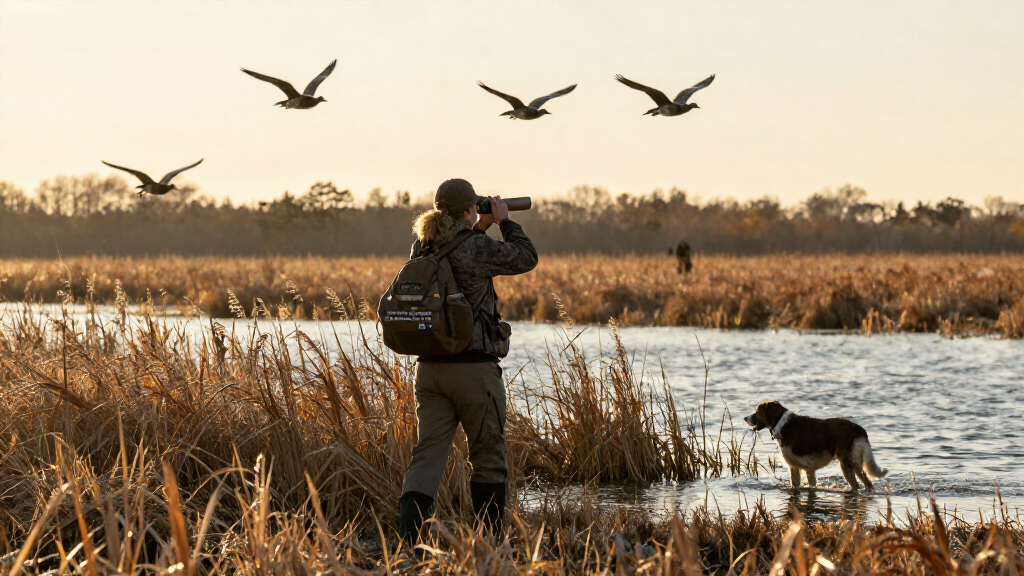
Outdoor Life published a report Oct. 18 profiling waterfowl guide Dusty Brown, who has spent more than 20 years following migrating ducks and geese from Canada south to Texas and back north. The account describes how that mobile approach can extend a hunter’s season beyond the dates and conditions at any one location, while demanding substantial time on the road and, Brown’s hunting companion says, sacrifices in family life.
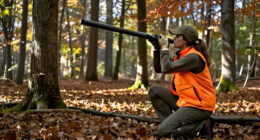
The report opens with a hunt in a rainy Saskatchewan pea field, where Brown and other hunters set decoys and blinds before first light. Their target is sandhill cranes. The article describes the birds’ size and defensive behavior, and says Brown moved in to secure a downed crane while a less experienced guide hesitated. Brown recalled being unsure how to approach a crane the first time one stood up and hissed at him.
Brown, 50, has hunted cranes in Texas and followed waterfowl between Canada and the southern United States for more than two decades, according to the report. He says many hunters stop when freezing lakes and rivers push birds onward, but he treats that change as another leg of the season: packing up, driving to a new location and following the migration.
The story traces his route into guiding to goose calling. Brown says he won Oregon’s state goose-calling contest in 2001 and became a goose guide at 27. Competing and learning from callers around the country took him across the Pacific and Central flyways. The report also describes the personal costs of a near-constant hunting schedule, including limited time with family and strain on relationships.
A Season Built Around the Birds
The report illustrates a distinction between hunting a local season and building a life around migration. Moving between regions can give experienced hunters more opportunities as birds travel, but it also requires flexibility, travel and access to new hunting grounds. The story does not establish that every hunter can extend a season this way; it presents Brown’s experience as one guide’s chosen livelihood and way of life.
That life carries costs beyond mileage. Angie Erickson, who hunts with Brown at her Saskatchewan camp, says she had to reduce her own involvement after having twin boys because hunting had taken too much of her time. Her account offers a counterpoint to the appeal of continuing to the next camp: the freedom to travel may come at the expense of family responsibilities and relationships.
As an affiliate, we earn on qualifying purchases.
From Oregon Calls to Saskatchewan Fields
Brown’s early path into waterfowling began in Oregon. As a teenager, he saved money from working at his father’s pizza business to lease farmland along the Pudding River, where seasonal flooding created wetlands. He later became interested in goose calls and began traveling to competitions and learning from callers in other states.
The report places that personal history within a familiar pattern for some dedicated waterfowl hunters: starting in the Prairie Pothole Region in September and moving south as the season and birds shift, with stops along the way. Brown’s route is not presented as a fixed itinerary or a guarantee of hunting success; it depends on following birds and changing conditions.
““When the lakes and rivers freeze up, that’s the end of the season for a lot of hunters because the birds move on. But for guys like me, it’s just another stop along the way. We never want our season to end. So we hitch the trailer, hop in our trucks, and follow the birds.””
— Dusty Brown, waterfowl guide, as quoted by Outdoor Life
As an affiliate, we earn on qualifying purchases.
The Costs Beyond the Road
The report is a profile, not a survey of waterfowl hunters, and it does not quantify how many hunters travel between flyways or how often that strategy extends their hunting. It also does not provide costs for fuel, lodging, leases or guiding, so readers cannot use the account to estimate what a similar season would require financially.
Brown’s and Erickson’s experiences are personal accounts. The article describes relationship strain as a potential consequence of a mobile hunting life, but it does not establish how common that outcome is. The source material also does not provide details about specific season dates, regulations or local bird numbers for the places Brown visits.
As an affiliate, we earn on qualifying purchases.
Following the Migration Ahead
The report offers no announced next milestone for Brown or his hunting operation. Its account follows the seasonal pattern he describes: hunters move as birds leave one area, then return north in spring for the conservation snow goose order. Where Brown will hunt next, and how conditions will affect that route, is not specified.
For readers considering the approach, the story’s central practical point is that a longer season means following the birds rather than expecting one location to provide opportunities throughout fall and winter. The report leaves the details of future trips, access and local regulations open; those would need to be checked for each destination and season.
As an affiliate, we earn on qualifying purchases.
Key Questions
Who is Dusty Brown?
Dusty Brown is a 50-year-old waterfowl guide profiled by Outdoor Life. The report says he has followed migrating birds for more than 20 years and became a goose guide at 27.
What does it mean to follow the fall migration?
In Brown’s account, it means traveling between hunting areas as ducks and geese move south, rather than ending the season when birds leave one local area. The story describes travel from Canada toward Texas.
Where does the report’s opening hunt take place?
The opening scene is a sandhill crane hunt in a Saskatchewan pea field, with hunters setting decoys and blinds before dawn in rainy conditions.
What sacrifices does the report describe?
The account points to time away from family, travel demands and relationship strain. Erickson says she reduced her hunting time after having twin boys because she felt she was not spending enough time with her family.
Source: rss
Halloween Picks
halloween
As an affiliate, we earn on qualifying purchases.