
TL;DR

Get sports gear delivered free with Prime
- Fast, free delivery on millions of items
- Prime Video, Amazon Music and more included
- Member-only deals all year
Archery instructor and veteran whitetail hunter John Dudley shared techniques for handling buck fever in an Outdoor Life report published Nov. 2, 2026. His advice includes visualizing a shot in advance, following a consistent sequence of cues and gradually practicing under pressure; these are recommendations, not a guarantee against nerves.
Archery instructor John Dudley has outlined ways bowhunters can manage buck fever, including rehearsing shot scenarios, using a repeatable sequence of cues and practicing in pressured settings. The advice appears in an Outdoor Life report published Nov. 2, 2026, and draws on Dudley’s experience as a competitive archer and veteran whitetail hunter.
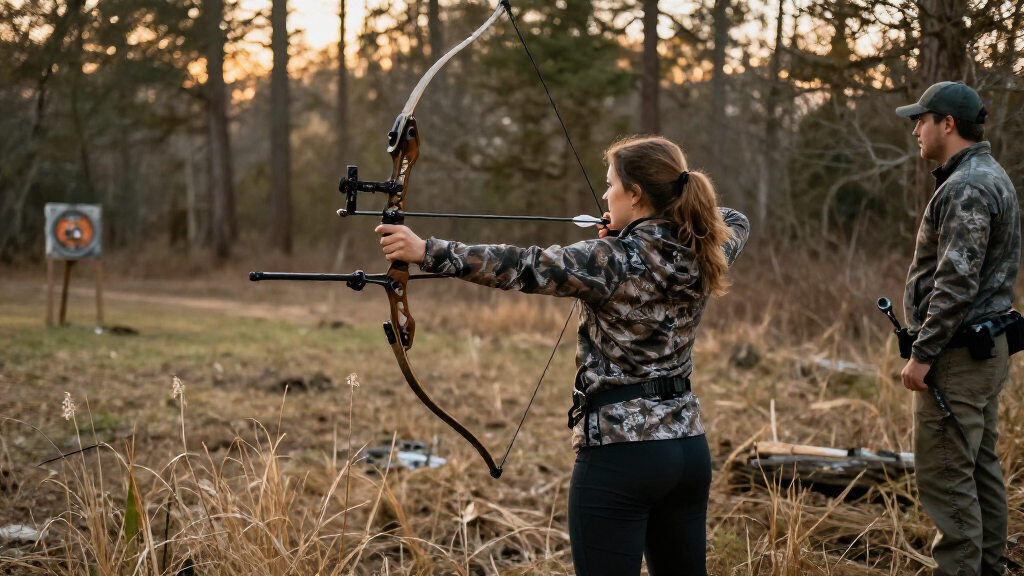
Dudley’s advice begins before a deer appears. While waiting in a tree stand, he says, hunters can visualize the movements involved in a shot rather than merely imagine a buck arriving. His examples include ranging the animal, taking hold of a release, adjusting foot position, drawing smoothly and working through the shot sequence. He says this mental rehearsal can make the actions more familiar when an opportunity comes.
He also recommends using a shot process: a short series of mental cues tied to specific actions. Dudley’s sequence is “Stance; Grip; Shoulder; Anchor; Peep; Pull and Finish.” The report says the cues are intended to keep attention on the steps of shooting instead of letting excitement prompt a rushed or uncontrolled shot. Hunters can adapt the sequence to their own habits and equipment.
A mantra is another tool Dudley uses. In a hunting situation, he says he tells himself “checkmate” when an animal offers a shot, describing the word as a positive cue that redirects his attention to the process. He also advises hunters to get accustomed to pressure by shooting in archery tournaments. The report does not present these methods as a cure for nerves or claim they will work identically for every hunter.
Practice for High-Pressure Shots
Buck fever can interfere with the physical actions a hunter has practiced, particularly when an animal appears unexpectedly. Dudley’s guidance matters because it offers specific routines to rehearse, not just a general instruction to stay calm. Visualization and a consistent shot sequence give hunters concrete actions to focus on when excitement rises.
His emphasis on practice under pressure also points to a difference between being able to shoot in a familiar practice setting and performing when a real animal is present. Tournament practice may expose an archer to some pressure, but it cannot reproduce every circumstance of a hunt. The report describes Dudley’s own approach and experience; it does not establish that the methods prevent missed shots or guarantee success.
Products Worth Considering

Coleman SaluSpa Hawaii Energy-Efficient Inflatable Hot Tub, 4–6 Person

Bowflex SelectTech 840 Adjustable Kettlebell

Therabody Theragun Relief Massage Gun, 3-Speed, Navy
As an affiliate, we earn on qualifying purchases.
From a Missed Draw to Coaching
Dudley’s advice is rooted in an early hunting experience in Illinois. As a young hunter, he had a large buck come close while he was using a compound bow he could draw during practice. When the deer appeared, he could not pull the bowstring back. He initially suspected a mechanical problem, but after the buck left, he drew the bow without difficulty.
“My heartbeat was hitting so hard I honestly thought I was going to need some stents or something by the time it was done,” Dudley said in the report, recalling how severe his nerves felt. He later described the episode as a “living nightmare.” In the years since, he has become a professional archer, whitetail hunter and archery instructor. The report presents that early failure as the experience that helped shape his attention to shooting under pressure.
““I visualize myself getting a couple good ranges on him [as the buck comes in].””
— John Dudley, as quoted by Outdoor Life
Limits of the Advice
The report does not provide controlled research comparing Dudley’s methods with other approaches, or data on how often they improve shot outcomes. It also does not specify a single practice schedule or tournament format that all hunters should follow. Results may vary with the individual, experience, equipment and hunting conditions.
It remains unclear whether Dudley’s recommendations would be sufficient for someone whose nerves make it difficult to handle a bow safely. His methods are presented as practical advice from his experience, not as professional medical guidance or a substitute for safe equipment setup and supervised instruction.
Build the Routine Before Hunting
Dudley’s recommendations point hunters toward preparation before the next encounter: rehearse likely shot scenarios, choose a sequence of cues that fits their technique and practice using it consistently. He also suggests seeking opportunities to shoot under pressure, including archery tournaments. The report does not announce a scheduled follow-up or a formal training program.
For readers applying the advice, the next step is to test the routine during ordinary practice and refine it before relying on it in the field. Hunters who are new to archery or unsure about their equipment should seek qualified instruction and prioritize safe handling. Whether the mental cues help in a particular hunt will only become clear in that situation.
Key Questions
What does John Dudley recommend for managing buck fever?
He recommends visualizing shot scenarios, following a repeatable shot process, using a short mantra and practicing in settings that create pressure, such as archery tournaments.
What is Dudley’s shot process?
His sequence is “Stance; Grip; Shoulder; Anchor; Peep; Pull and Finish.” He says hunters can adapt their own cues to address habits or points of anxiety.
What does Dudley mean by visualizing a shot?
He describes mentally rehearsing the actions that might happen, such as ranging a deer, positioning the feet, drawing and following the shot sequence—not only picturing the animal arriving.
Does this advice guarantee a successful shot?
No. The Outdoor Life report shares Dudley’s experience and recommendations, but it does not claim the techniques eliminate nerves or guarantee a particular outcome.
Source: outdoorlife.com