TL;DR

Get sports gear delivered free with Prime
- Fast, free delivery on millions of items
- Prime Video, Amazon Music and more included
- Member-only deals all year
Jack Huston of Midwest Deer Surveys is promoting drone-detection systems for landowners concerned about drones flying over hunting properties. The systems can reportedly identify a drone and its pilot from radio transmissions, with packages priced from about $5,000 to $12,000; they detect and record activity rather than physically stopping drones.
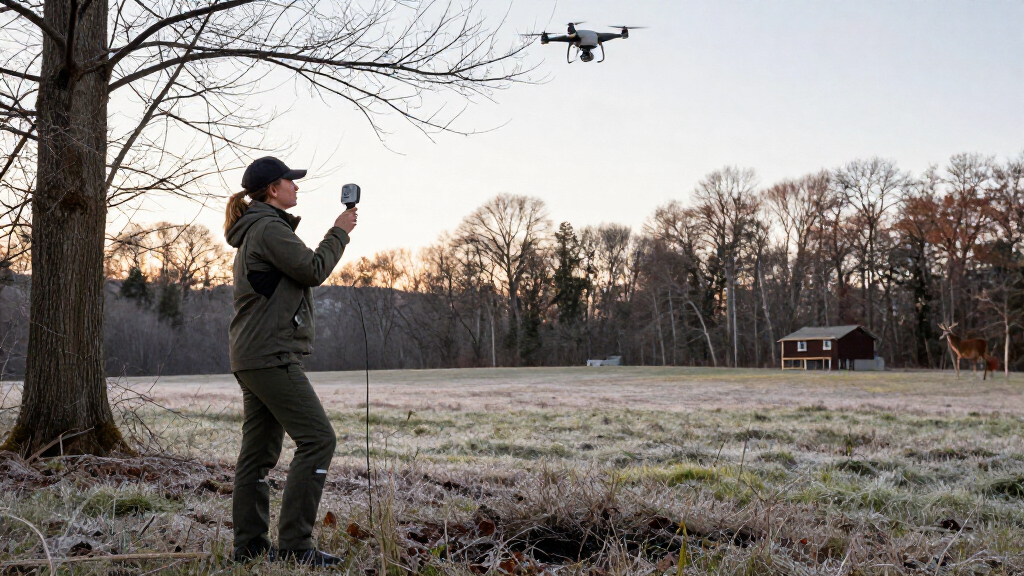
Drone-detection systems are being marketed to deer-hunting landowners who want to monitor aircraft flying over their property, according to an Outdoor Life report published Nov. 2. Jack Huston, who runs Midwest Deer Surveys, says the equipment can detect drone transmissions and record information including the drone’s location and the pilot’s location, giving property owners a way to document activity they suspect may involve unauthorized scouting.
Huston says he developed the system with a manufacturing company after landowners he encountered through his deer-survey work complained about drones over their farms. The equipment listens for communications between a drone and its remote controller. Information is sent to a phone app, and the system can record the drone’s make, serial number and locations, according to the report. Those functions are described as monitoring and identification; the source does not say the system can take control of a drone or force it to land.
The systems are offered in coverage options described as roughly 5-mile, 20-mile and 40-mile radii. Huston says some customers use them to set a monitored zone around a farm. The report puts the price of smaller stations at about $5,000, with larger units costing about $12,000. It does not specify whether those figures include installation, ongoing service or other costs.
Drones have a range of legitimate uses in deer management, including population surveys, property planning and locating wounded deer, the report says. Huston’s concern is that some operators fly over land without permission to scout wildlife. His account reflects his experience and the concerns of customers he has spoken with; the article provides no independent count of unauthorized flights or evidence establishing how widespread such activity is.
Monitoring Drones Over Hunting Land
For landowners who invest in habitat and manage property for deer, a drone flying overhead can raise concerns about privacy, disturbance to wildlife and whether someone is scouting animals without permission. A system that records flight-related details could give an owner information to review or share with authorities, rather than relying only on a visual sighting of an aircraft.
The technology does not settle the legal question of whether a particular flight is permitted. Rules vary by state, and the report does not establish that flying over a property is automatically trespassing or that all flights detected by the equipment are unlawful. The practical value of the systems will depend on the accuracy of their detections, the applicable rules and whether recorded information can support any complaint or investigation.
Products Worth Considering

Solo Stove Pi Prime Portable Propane Pizza Oven

Garmin Index Sleep Monitor

Coleman Triton 2-Burner Portable Propane Camping Stove
As an affiliate, we earn on qualifying purchases.
Drones’ Mixed Role in Deer Management
Drones are used in deer management for surveys and property work, as well as for recovering wounded animals where local rules allow. Thermal-equipped aircraft can help locate a deer, but hunting and drone laws differ among states. The report cites Pennsylvania as a state that prohibits drone use for any type of hunting, including tracking wounded deer, while Huston describes Ohio’s rules as more permissive.
That variation matters because the same technology can be used for different purposes, and legality depends on the place and activity. The Outdoor Life report frames the detection equipment as a response to concerns about scouting across other people’s land, not as a replacement for state wildlife rules or aviation regulations. It does not provide a full legal analysis of drone flights over private property.
“Most of the problem is people flying over property they don’t own or have permission to be on.”
— Jack Huston, owner and operator of Midwest Deer Surveys
Detection Does Not Resolve Legality
The report does not identify the manufacturer, provide independent testing or detail the system’s detection accuracy, operating limits or data-retention practices. It also does not say whether a detected pilot can always be identified, what happens when a drone does not transmit readable information, or how the system handles false or incomplete readings.
The scale of unauthorized drone scouting remains unquantified in the source. Huston reports complaints from landowners and says detections exceeded his expectations, but no total, measurement period or comparison baseline is given. The report also does not establish how often detected flights lead to enforcement action, or whether a recorded flight amounts to a legal violation.
Adoption and Rules Remain Open
Landowners considering the equipment will need to weigh the stated purchase prices against the area they want to monitor and check which drone rules apply where they live. The report does not announce a deployment schedule, sales total or forthcoming regulatory change. Further evidence about system performance, customer use and any resulting investigations would help clarify whether these devices are a practical tool beyond alerting owners to drone activity.
For now, Huston is promoting the systems to property owners, while state-by-state rules continue to shape what drone use is allowed for hunting and deer recovery. Any specific concern about a flight may require review by the relevant aviation or wildlife authorities; detection alone does not establish who broke a law.
Key Questions
What does the drone-detection system do?
According to the report, it detects transmissions between a drone and its controller and can record details such as the drone and pilot locations, make and serial number. It sends information to a phone app.
Does the system stop or disable drones?
The source describes a monitoring and identification system. It does not report that the equipment takes control of drones, jams signals or forces them to land.
How much do the systems cost?
The report says smaller stations start at about $5,000 and larger systems cost about $12,000. It does not detail installation or continuing costs.
Is it illegal to fly a drone over someone else’s property?
The report says rules differ by state and does not establish a universal answer. Whether a flight is lawful depends on the applicable laws and the circumstances; Huston’s description of a flight as trespassing is his view, not a ruling.
Source: outdoorlife.com