
TL;DR
A guide published by Sixty and Me recommends five ways to make winter hikes more comfortable and enjoyable: carry modest extra weight, bring a dog where allowed, explore a new trail, use winter gear and hike with a group. The suggestions are general advice, not a tested safety plan; trail conditions, local rules and a hiker’s abilities should guide decisions.
Sixty and Me has published five suggestions for making a winter hike more comfortable and enjoyable, recommending hikers consider modest pack weight, a dog, a different trail, cold-weather equipment or a group outing. The advice addresses both the appeal of getting outdoors in winter and practical concerns such as ice, cold and balance, but it does not replace local trail guidance or an assessment of conditions.

Get sports gear delivered free with Prime
- Fast, free delivery on millions of items
- Prime Video, Amazon Music and more included
- Member-only deals all year
The Sixty and Me article’s five ideas are to add a little weight to a pack, bring a well-trained dog where permitted, try a new route, get equipment suited to winter terrain, and join a group hike. It suggests that a small amount of extra pack weight can make a walk more physically demanding, while a new route or group can add variety and social contact. Those outcomes will depend on the hiker, terrain and conditions; the article does not provide research or quantify the effects.
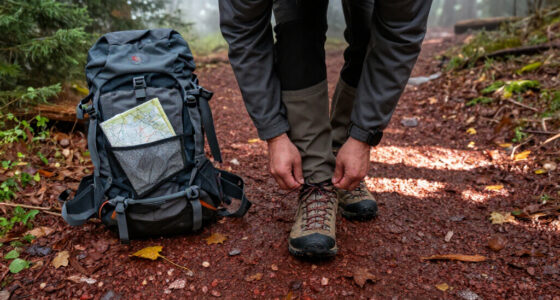
For slippery trails, the Sixty and Me piece names crampons or cleats and trekking poles as possible aids to traction and balance. It also recommends thermal underwear and additional layers, with the aim of staying warm without sweating heavily. Hikers should check whether equipment suits the route and conditions, and should not assume that any one item makes icy terrain safe.
The article points readers to trail and activity apps, including AllTrails, ViewRanger and MapMyHike, and suggests looking for local hiking groups through Meetup.com or community organizations. It also mentions that winter walks can offer time in nature and fewer insects or crowds at some locations. These are general observations from the article rather than guarantees about any particular trail or a claim that hiking is suitable for everyone.
Make winter hikes more comfortable and fun
Sixty and Me offers five ways to add variety, company and preparation to a winter walk. Choose ideas that fit your abilities, the route and current conditions.
Five ways to change the hike
Add modest pack weight
Extra weight can make a walk more demanding. Consider your balance, fitness and terrain first.
Bring a dog
Take a well-trained dog only where local rules permit.
Explore a new trail
A different route can add interest; check access and current trail information.
Use winter gear
Consider suitable layers, traction devices or trekking poles for the conditions.
Join a group hike
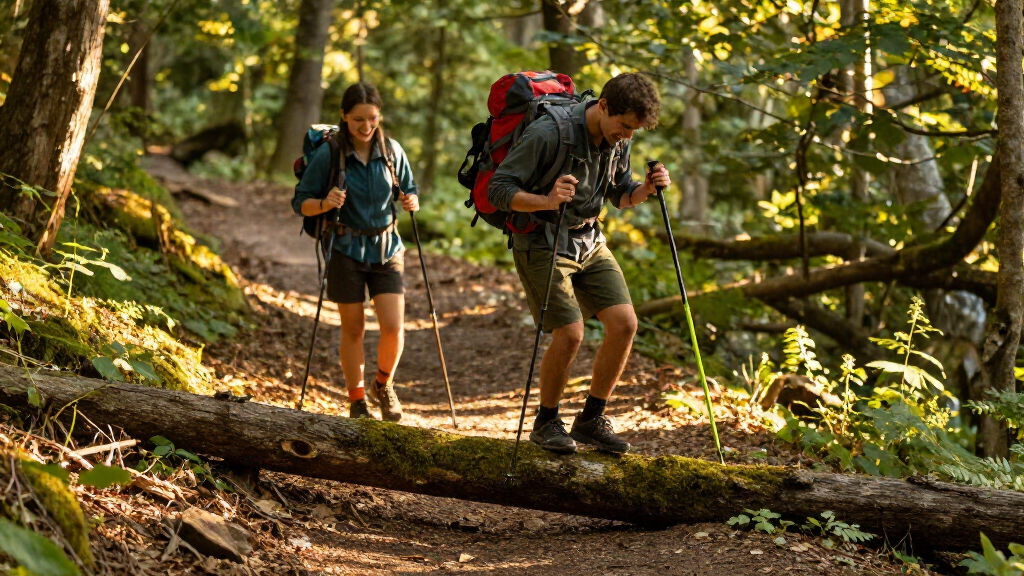
A group can bring company and shared decision-making.
Prepare for cold and slippery ground
The article names equipment ideas, but no item guarantees safe footing.
- Crampons or cleats
- Trekking poles
- Thermal underwear
- Additional layers to avoid overheating
Find routes and hiking company
Use discovery tools as a starting point, then confirm details with reliable local sources.
Before setting out
Adapt the plan to your experience, health and the day’s conditions.
Check trail access, current conditions and local rules.
Carry appropriate clothing and navigation, and tell someone your plans.
Start short or go with an experienced group if you are new to winter hiking. Turn back if conditions worsen.
Keep the advice in perspective
The five suggestions are general ideas, not a tested safety plan or a guarantee of benefits. Check current conditions and adapt to your abilities.
Comfort and Safety on Winter Trails
The Sixty and Me article’s tips matter because winter conditions can change the demands of a familiar walk. Snow and ice can make footing less predictable, while cold weather and layers require planning. Choosing appropriate traction, carrying suitable clothing and knowing the route can help hikers prepare; a group may also provide company and shared decision-making. None of these steps removes the risks of changing weather or difficult terrain.
The article also frames hiking as a way to combine physical activity, time outdoors and social connection. That may appeal to people seeking a low-impact activity or a reason to leave home during colder months. Individual fitness, mobility, health, daylight and access to safe trails differ, so readers should adapt plans rather than treat the five suggestions as a universal checklist.
Products Worth Considering

YETI Roadie 15 Hard Cooler

Coleman Snap 'N Go 35-Quart Collapsible Hard Cooler

YETI Tundra Haul Wheeled Cooler
As an affiliate, we earn on qualifying purchases.
The Advice Behind the Five Ideas
The Sixty and Me article presents winter hiking as an option during a season when some people spend more time indoors. It describes potential benefits such as aerobic activity, time in nature and social contact, and says sunlight exposure can help the body generate vitamin D. The article does not cite studies, identify an expert, or provide details about how much activity or sun exposure is appropriate. These benefits are presented in the article as general reasons to hike, not as measured outcomes for every participant.
Its recommendations range from changing the experience—by visiting a different trail or hiking with others—to preparing for conditions with clothing and equipment. The piece also suggests using mobile apps to find routes and track activity. App maps and recorded data are tools, not substitutes for checking current trail closures, weather, daylight and navigation options before setting out.
What the Tips Do Not Establish
The Sixty and Me article does not identify a particular trail, location, weather forecast or publication date, and it gives no evidence comparing the five suggestions. It is not clear which trails are open or safe for winter hiking, whether dogs are permitted on a given route, or what equipment is appropriate for a specific trip. Readers need to check rules and conditions with the relevant land manager or local authorities.
The recommendation to add weight is not accompanied by a suggested load, fitness assessment or safety guidance. Carrying extra weight may not suit every person, particularly on uneven or icy ground. The article also does not establish that a dog provides protection or that trekking poles and traction devices prevent falls. People should account for their health and experience and seek qualified advice if they are unsure about taking on a hike.
Plan Before Setting Out
The Sixty and Me article offers ideas rather than announcing an event or setting a follow-up date. For anyone considering a winter walk, the next step is to choose a route suited to their experience and check current forecasts, trail access, daylight hours and local rules. Hikers should tell someone their plans, carry appropriate clothing and navigation, and be prepared to turn back if conditions worsen.
People new to winter hiking can start with a short, familiar route or go with an experienced group. Before adding pack weight or attempting icy terrain, they should consider their balance, fitness and any relevant health limitations. Conditions can vary across a single route, so preparation and judgment remain more important than completing a planned distance.
Source: Sixty and Me
Key Questions
What are the five suggestions for upgrading a winter hike?
The Sixty and Me article suggests adding a small amount of pack weight, bringing a dog where allowed, exploring a new trail, using winter gear and joining a group hike. Which ideas make sense depends on the route, rules, weather and the hiker’s experience.
What equipment does the article mention for icy trails?
The article names crampons or cleats and trekking poles for traction and balance, as well as thermal underwear and additional layers for cold weather. Equipment should fit the terrain and conditions; none guarantees protection from falls.
How can hikers find a group or a new route?
The article points to AllTrails and ViewRanger for trail discovery and Meetup.com or local community organizations for group hikes. Check current maps, access rules and trail conditions through reliable local sources before leaving.
Is carrying extra weight appropriate for every hiker?
No. The article suggests extra pack weight as a way to make a hike more demanding but does not give a recommended load or assess individual risk. Hikers should consider their fitness, balance and the terrain, and avoid extra weight if it makes safe movement harder.
Source: sixtyandme.com