TL;DR

Get sports gear delivered free with Prime
- Fast, free delivery on millions of items
- Prime Video, Amazon Music and more included
- Member-only deals all year
A mountain bike repair kit should cover common trail problems like flats, chain breaks, and loose bolts. Carrying the right tools — including a pump, spare tube, multitool, and tubeless plugs — can save your ride. Tailor your kit to your bike and ride distance for maximum safety and convenience.
Picture yourself deep in the woods, the trail winding beneath your wheels. Suddenly, a hiss — flat tire. Your heart sinks, but if you’ve got a solid repair kit, you’re back riding in minutes. No panic, no walk out. That’s the power of understanding what your kit needs to do.
Today, I’ll walk you through building a mountain bike repair kit that actually works. From essential tools to smart extras, you’ll learn how to prepare for the common trail-side emergencies and keep your ride smooth, no matter how remote the trail.
Always tailor your repair kit to your specific bike and ride distance — don’t rely on generic setups.
Carry a backup tube, especially for tubeless setups—sealant and plugs can’t fix everything.
Test your repair kit before heading out: practice removing wheels, installing a tube, and inflating tires.
Stay safe: recognize what repairs are beyond your skill and know when to walk or call for help.
Keep your kit organized, protected, and regularly maintained to ensure it works when you need it most.
What a mountain bike repair kit should do for you
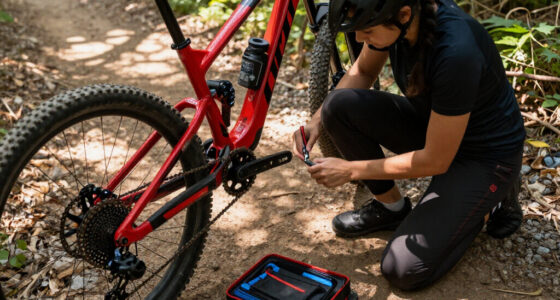
Think of your repair kit as your trail-side insurance. It’s designed to fix the most common problems—flat tires, broken chains, loose bolts—so you can get back in the saddle fast. The key is matching your kit to your ride style and terrain.
For example, if you’re tackling a remote backcountry loop, your kit needs to be more comprehensive than for a quick loop around town. The goal? Cover essential repairs without turning your pack into a ballast of unnecessary gear.
Why does this matter? Because carrying too much weight can slow you down and cause fatigue, but too little means you might not be able to fix critical issues. Striking a balance ensures you’re prepared without being overburdened, and understanding the terrain helps prioritize what’s essential. For instance, a chain tool might be more critical on a long ride where chain breaks are more likely, whereas a simple patch kit might suffice for short, local rides.
As an affiliate, we earn on qualifying purchases.
Must-have components for trail-side fixes
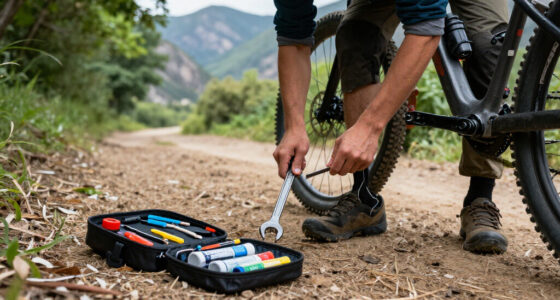
Every good kit starts with a handful of core tools. Here’s what you need and why:
- Mini pump: High-volume, easy to operate, perfect for mountain bike tires. Why? Because a reliable pump ensures you can quickly reinflate your tire after fixing a flat, preventing further damage or unsafe riding conditions. The tradeoff? Bulkier pumps are more powerful but heavier; choose one that balances size and performance.
- Spare inner tube: Make sure it matches your wheel size and valve type. Carrying a spare tube saves time and energy, especially if you’re far from help. But consider the weight and space — a larger tube might be more versatile, but a smaller one is easier to pack.
- Tire levers: Sturdy, plastic levers to pry off stubborn tires without damaging the rim. They’re essential because tires can be stubborn, and damaging the rim could lead to more costly repairs. The right levers make the job easier and reduce frustration.
- Multitool: Includes hex keys, screwdrivers, and a chain breaker—your Swiss Army knife for bike repairs. Why? Because it consolidates multiple tools into one, reducing weight and bulk. The tradeoff? Not all multitools are made equal; investing in a high-quality one ensures it can handle the stresses of roadside repairs.
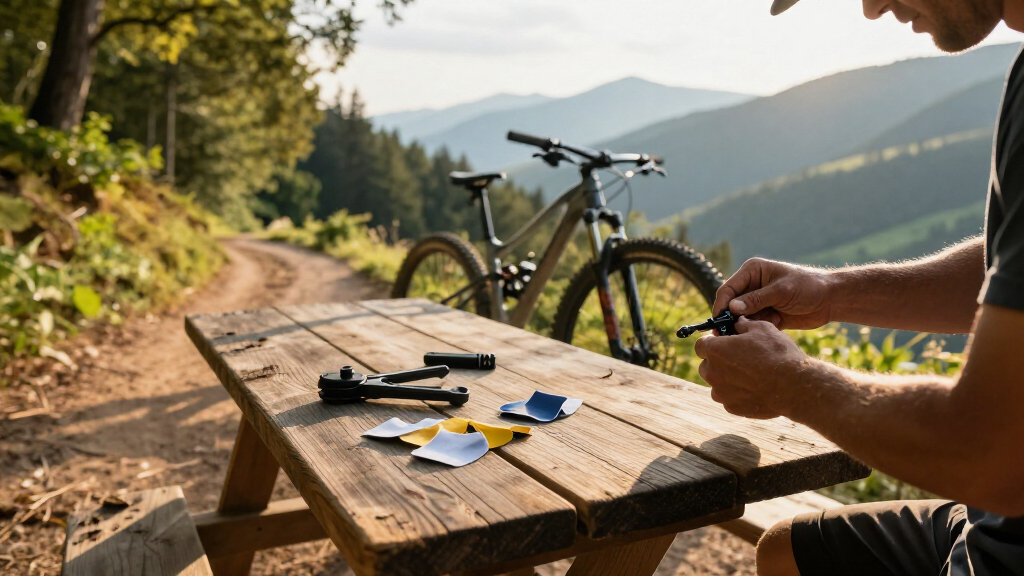
- Quick link: For fast chain repairs, but check compatibility first. It offers a quick fix—a real time-saver—yet improper use or incompatible links can cause shifting issues or chain failure later. Always verify compatibility with your chain.
- Tubeless plugs and tire boot: Seal small punctures and reinforce sidewall damage. They’re critical because they allow you to temporarily fix a puncture without replacing the tire, but they are not permanent solutions. Knowing when to replace versus repair is essential to avoid unsafe riding conditions.
Imagine a day riding on rough, rooty trails. Your mini pump inflates your flat tire while the chain tool quickly reconnects your chain. That moment — simple, confident — is what a well-chosen kit delivers.
As an affiliate, we earn on qualifying purchases.
Special considerations for tubeless systems
Tubeless setups have revolutionized mountain biking — fewer flats, better traction. But they still need some trail-side TLC. Sealant can plug small leaks, but larger punctures or sidewall damage might require inserting a tube or patch.
For instance, if you hit a sharp rock, your sealant might seal a tiny hole but won’t fix a large cut. That’s when a tire boot or inserting a spare tube becomes necessary. Remember, sealant dries out over time, so check your kit regularly and replace it to keep your repairs effective.
Why is this important? Because tubeless systems are designed for minimal maintenance, but they aren’t invincible. Understanding the limitations of sealant and knowing how to handle larger punctures ensures you can make safe, effective repairs. If you ignore these nuances, you risk getting stranded with a compromised tire that could lead to a crash or further damage.
Also, keep in mind that installing a tube inside a tubeless tire can be messy and may require removing the valve. It’s a backup plan you want ready in your kit for big punctures.
As an affiliate, we earn on qualifying purchases.
Latest trends making trail repairs easier and lighter
Trail gear keeps shrinking and getting smarter. Today’s repair kits feature:
- Integrated plug tools: Built into handlebars or multitools for quick access. Why? Because integrated tools eliminate the hassle of rummaging through your pack, saving valuable time during a roadside fix. The tradeoff? These tools might be less robust than standalone versions, so durability matters.
- Compact electric inflators: Fast, battery-powered pumps that save time but need recharging. They’re game-changers in remote settings, allowing quick inflation without manual effort. However, reliance on batteries means you must carry spares or ensure they’re charged before the ride.
- TPU inner tubes: Lighter, more compact backup tubes that fit into small saddle packs. Their lightweight nature reduces overall pack weight, but they can be more prone to punctures if not handled carefully. Choosing the right size and type is crucial for reliability.
- Multi-function multitools: Now combining chain tools, tire plugs, and even electronic-shifting batteries. These multi-tools streamline your repair process, but it’s important to verify each function’s quality and compatibility with your bike to avoid failures mid-ride.
Imagine a long, remote ride. You’re miles from help, but your tiny electric inflator and lightweight TPU tube are all you need to fix a flat and get back on the trail. It’s about packing smarter, not heavier, and understanding that investing in quality gear can make all the difference when seconds count.
As an affiliate, we earn on qualifying purchases.
Choosing the perfect repair kit for your ride
Selecting the right kit depends on your bike, riding style, and distance. Before hitting the trail, test whether you can:
- Remove both wheels easily with the tools you carry.
- Install your spare tube and reseat the tubeless valve.
- Break and reconnect your chain smoothly.
- Reach and tighten critical bolts without fuss.
- Inflate your tires to your usual pressure.
If you’re doing a solo backcountry adventure, pack extra tools, a second tube, and a compact CO₂ inflator. For local rides, a basic kit with a pump, a tube, and a multitool might suffice. The trick? Match your kit’s size and contents to what could go wrong on your specific route. Remember, a well-tested kit can prevent frustration and dangerous situations, especially when help is far away or unavailable.
Limitations and safety pitfalls of trail repairs
Not every problem can or should be fixed roadside. If you spot a cracked frame, a severely damaged rim, or hydraulic brake leaks, it’s safer to walk or call for help. Attempting to fix these issues on the trail could worsen the damage or compromise safety.
For example, overtightening carbon handlebars or suspension hardware with a multitool can cause cracks or failures that are not immediately visible. These failures can be catastrophic if not identified early. Always aim to fix enough to get you safely off the trail, then have a professional mechanic check everything later. Recognizing your limits prevents further damage and ensures your safety remains the top priority.
Remember, trail repairs are about restoring safe function—not perfect perfection. Knowing when to stop and seek professional help can prevent accidents and prolong the lifespan of your bike components. Prioritizing safety over expedience is crucial for enjoying your ride and avoiding costly repairs or injuries.
Your top questions answered: gear, repairs, and safety
What should be in a basic mountain-bike repair kit? At minimum, a pump, spare tube, tire levers, multitool, chain breaker, quick link, tubeless plugs, tire boot, and zip ties. Why? Because these items collectively cover the majority of trail-side issues, and understanding their use helps you respond quickly. Missing one could turn a minor inconvenience into a major delay.
Do tubeless riders still need a spare tube? Yes. A tube is your backup against large punctures or sidewall tears that sealant can’t fix. Relying solely on sealant or plugs risks being stranded if a large hole or sidewall damage occurs, which are less reliably sealed.
Is a CO₂ inflator better than a mini pump? CO₂ inflates faster but runs out quickly; a pump offers repeated attempts. Many riders carry both for flexibility. The tradeoff? CO₂ is quick but disposable, while a pump is slower but more reliable for multiple repairs.
What size spare tube should I carry? Match your wheel diameter and tire width. Confirm the valve type and length fit your rim. Carrying the correct size prevents issues during installation and ensures a proper seal, avoiding further damage or unsafe riding conditions.
Can one spare tube cover different tire widths? Usually, within the tube’s range, but it’s not ideal as a permanent fix—better to carry the right size. Using incompatible sizes can cause leaks or damage, so selecting the correct tube size is essential for safety and reliability.
Are tire plugs permanent repairs? They can last, but inspect regularly. Larger cuts or sidewall damage often require replacing the tire. Relying solely on plugs for large or sidewall damage can be dangerous, as they may fail under stress, leading to sudden flats or accidents.
Should I carry a spare derailleur hanger? Absolutely, especially for remote rides. Hangers are bike-specific but often available as universal options. Having a spare prevents long delays waiting for a replacement and reduces the risk of further damage if the hanger breaks.
Which quick link do I need? Use one compatible with your chain’s speed and manufacturer for reliable shifting. Mismatched links can cause shifting issues or chain failure, so verify compatibility before riding.
Is a multitool with a chain breaker enough? Only if it matches your chain type and is strong enough—you should test it before rides. A weak or incompatible chain breaker can worsen damage, so investing in quality tools and testing them ensures reliability when needed most.
Should I carry quick-link pliers? Helpful for removing tight links, but some can be pulled apart manually under pedal pressure. Carrying pliers simplifies the process and reduces frustration, especially if your quick links are tight or corroded.
Are electric pumps reliable? They’re convenient but check capacity and battery life. Keep a manual pump as backup. Relying solely on electric pumps without backups can leave you stranded if the battery dies or the device malfunctions.
Are TPU tubes good emergency spares? Yes, lightweight and compact, but follow manufacturer instructions for safe installation and inflation. Proper use ensures safety and longevity, preventing failures during critical moments.
Where should I carry my repair kit? In a saddle bag, frame strap, or hydration pack—whatever keeps it protected and accessible. Accessibility and protection prevent damage and ensure you can respond quickly in emergencies.
How often should I check my kit? Before big rides and periodically during the season. Replace used parts and recharge devices as needed. Regular checks prevent failures when you need them most and keep your kit ready for action.
How much should a repair kit weigh? Reliability over grams—especially for remote rides, a heavier but dependable kit beats a lightweight failure. Prioritizing durability ensures you’re prepared for unexpected issues, which outweighs minimal weight savings.
Should riders share tools? Group sharing works, but each rider should carry essential personal gear, especially spare tubes and quick links. Personal preparedness reduces delays and ensures everyone can handle their own repairs efficiently.
What’s the most overlooked item? A compatible quick link, valve-core tool, or a tire boot often slip by but can save your ride when needed most. Recognizing these small but vital items can make the difference between a walk and a ride home.
Conclusion
Every trail rider needs a repair kit that’s ready for action — not just packed with tools, but tested and tailored to their ride. The difference between a walk and a ride is often just a few smart choices and a little prep.
Next time you gear up, think of your kit as your silent partner — always there, ready to turn a potential disaster into a quick fix. Keep it simple, keep it safe, and keep riding.
NFL season / tailgating Picks
team gear
As an affiliate, we earn on qualifying purchases.