
TL;DR

Get sports gear delivered free with Prime
- Fast, free delivery on millions of items
- Prime Video, Amazon Music and more included
- Member-only deals all year
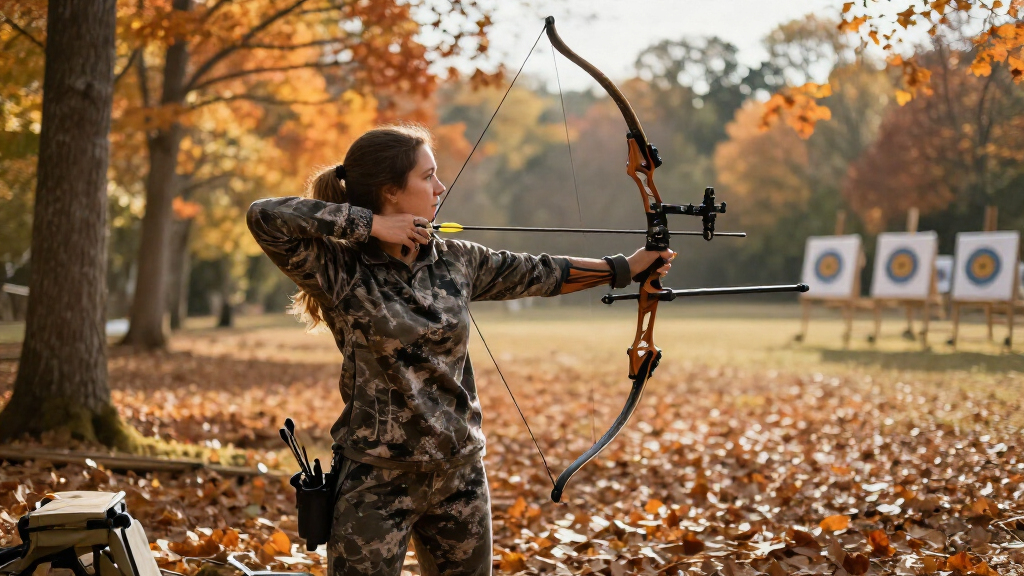
An Outdoor Life report published Oct. 29 outlines five common archery mistakes that can affect bowhunters: poor grip, relying on autopilot, neglecting bow tune, excessive string pressure and fighting the bow. The advice is to use a controlled shot process, check equipment regularly and build consistent form through practice.
Outdoor Life published a bow-season guide on Oct. 29 identifying five common archery mistakes that can undermine hunting shots, including inconsistent grip, relying on instinct under pressure and failing to check a bow’s tune. The report recommends a deliberate shot routine and regular equipment checks, but it does not present new research or quantified evidence about how often the errors occur.
The report draws on the author’s experience shooting, competing with and hunting with different types of bows, as well as lessons from coaches and experienced archers. It names grip, autopilot shooting, bow tune, string pressure and fighting the bow as problems that can affect both new and experienced bowhunters.
For grip, the article advises placing the hand high on the grip, angling the knuckles about 45 degrees to the riser and allowing contact mainly between the thumb pad and the hand’s lifeline. The author says a consistent grip can reduce unwanted torque and make the bow easier to tune. The report also recommends checking sight position and rest timing about once a month, shooting through paper and confirming broadheads are in tune.
For shooting under pressure, the advice is to follow a controlled sequence of steps rather than rush toward releasing the arrow. The author says face contact with the string should be light, not forceful, and describes a properly controlled pin as having a slow, consistent float around the intended spot rather than being held perfectly still. After changes to equipment or form, the report suggests practicing on a large target and focusing on getting comfortable with the change before judging accuracy.
Small Form Errors Can Affect Shots
The recommendations focus on errors that can be difficult to notice during routine practice but may matter when a hunter is under time pressure. A rushed sequence can lead to a wrong pin or an incomplete setup, while changes in equipment condition may affect where an arrow travels. Regular checks and a repeatable shot process give bowhunters ways to identify issues before a hunting opportunity.
The article is practical guidance, not a controlled study comparing hit rates or measuring the effect of each mistake. Its value for readers is as a checklist for inspecting form and equipment. Bowhunters should test adjustments in practice rather than assume a change will immediately improve performance.
Products Worth Considering

Garmin Instinct 2X Solar Tactical GPS Smartwatch, 50 mm, Black

Garmin Varia RearVue 820 Cycling Rearview Radar and Tail Light

Bowflex SelectTech 840 Adjustable Kettlebell
As an affiliate, we earn on qualifying purchases.
Five Errors Listed in the Guide
The Outdoor Life report is written for bowhunters and covers both technique and equipment. Its five categories span the shot from setup to release: how the bow is held, whether the archer follows a conscious routine, whether the bow remains properly tuned, how firmly the string contacts the face, and whether the archer tries to force the pin to stay motionless.
The guide also cautions that accuracy can dip temporarily after a change to form or equipment. It recommends a large target during that adjustment period, with attention on becoming comfortable with the new setup before expecting results. This advice reflects the author’s account and is not presented as a universal timetable for adaptation.
“You need a firm shot process that you fully control.”
— Outdoor Life report
No Error Rates or Test Results
The report does not provide data on how frequently hunters make these mistakes, quantify their effects on accuracy, or compare outcomes before and after following the advice. Its statements about torque, string contact and equipment changes are presented as the author’s guidance, not as findings from a cited experiment. How much each issue affects a particular archer will depend on their form, bow setup and practice conditions.
The article also does not specify a standard inspection procedure for every bow model or how often each component needs adjustment. The suggested monthly check is the author’s recommendation; readers may need to follow their equipment maker’s guidance or consult a qualified bow technician.
Practice and Check the Setup
The report gives readers a practical next step: review grip and shot sequence, then inspect sight alignment and rest timing before relying on the bow in the field. Bowhunters making changes should practice on a large target and give themselves time to adapt, rather than treating an initial drop in accuracy as proof that the adjustment has failed.
Outdoor Life does not announce a follow-up test or further reporting. For hunters, the next milestone is their own practice and equipment check; any developing guidance would depend on later reporting or advice from qualified coaches and bow technicians.
Key Questions
What five archery mistakes does the report identify?
It lists inconsistent grip, relying on autopilot, assuming the bow is in tune, pressing the string into the face and fighting the bow by trying to force a motionless aim.
How often does the article recommend checking bow tune?
The Outdoor Life author recommends checking the sight and rest timing about once a month, shooting through paper and confirming broadheads are in tune. The article does not establish this as a universal interval for every setup.
Should the bowstring press firmly against an archer’s face?
No. The report says the string may touch the face, but recommends keeping that contact light because forceful pressure can contribute to left-and-right inconsistency.
What should hunters do after changing their form or equipment?
The article advises practicing on a large target while getting used to the change, and focusing first on making the shot feel consistent rather than expecting immediate accuracy gains.
Source: outdoorlife.com