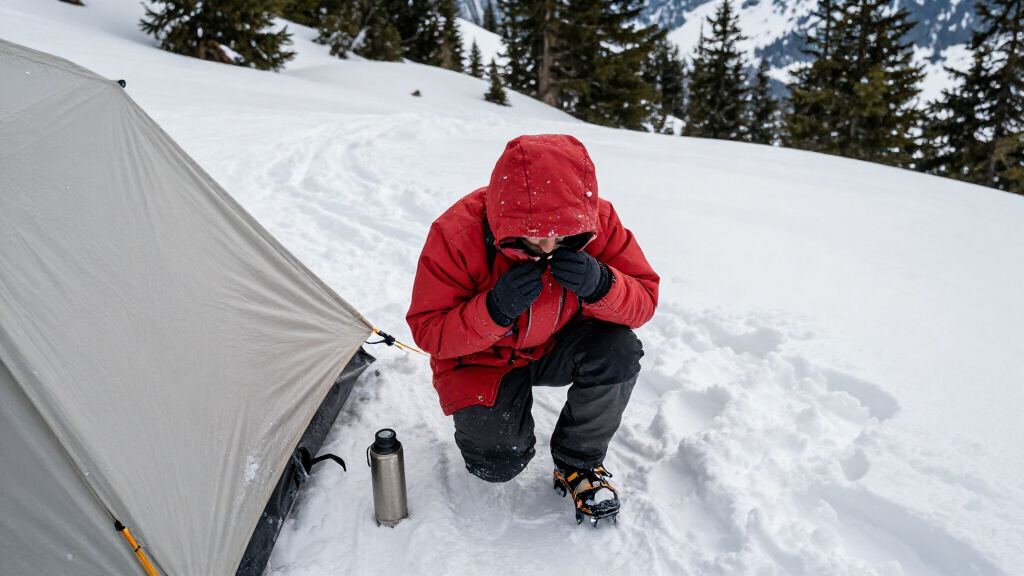

Among the best expedition parkas in this lineup, I rank The North Face Men’s McMurdo Waterproof Down Parka as the best overall for its blend of insulation and wet-weather protection. The Mammut Eiger Nordwand Pro Down Hooded Parka is the specialist choice for demanding alpine use, while Columbia’s Marquam Peak Fusion II Parka offers a more approachable option for everyday winter wear. The main tradeoff is between expedition-level warmth and the weight, mobility, and cost that come with it. I also compare distinct choices for women, budget-conscious buyers, and people who need a water-resistant rather than fully waterproof shell. Continue reading for the full breakdown and a guide to choosing the right parka for your conditions.

Get sports gear delivered free with Prime
- Fast, free delivery on millions of items
- Prime Video, Amazon Music and more included
- Member-only deals all year
Complete the kit


Key Takeaways
- The North Face McMurdo is my best overall pick because it pairs down insulation with waterproof protection, making it a versatile option across cold, wet conditions.
- Mammut’s Eiger Nordwand Pro is the alpine specialist; its technical expedition focus makes more sense for severe mountain use than routine city winters.
- The lineup serves different fits and use cases: The North Face Arctic and Lands’ End Expedition are women’s options, while the other picks are men’s styles.
- Water protection varies across the list. A water-resistant jacket such as the Fjallraven Expedition Down Lite is not interchangeable with a waterproof parka in prolonged precipitation.
- Not every warm-looking jacket is an expedition parka. The TACVASEN ski jacket and lighter everyday options may suit casual winter use better than sustained extreme-cold exposure.
| The North Face Women’s Arctic Parka |  | Best for Wet, Everyday Winter Conditions | Fabric: 100% recycled polyester | Shell: Seam-sealed DRYVENT 2L with non-PFC DWR finish | Insulation: Recycled 600-fill down | VIEW LATEST PRICE | See Our Full Breakdown |
| Columbia Landroamer II Parka |  | Best for Inclusive Sizing and Synthetic Warmth | Fabric: 100% polyester | Insulation: Microtemp XF II, 85% recycled polyester | Weather technologies: OMNI-TECH and OMNI-HEAT Infinity | VIEW LATEST PRICE | See Our Full Breakdown |
| TACVASEN Men’s Winter Skiing Jacket |  | Best for Active Winter Sports on a Budget | Material: Polyester | Lining: Fleece | Hood: Detachable with adjustable drawstring | VIEW LATEST PRICE | See Our Full Breakdown |
| The North Face Men’s McMurdo Waterproof Down Parka |  | Best for Full-Coverage Cold-Weather Protection | Material: 100% recycled nylon | Insulation: Recycled 600-fill waterfowl down | Waterproofing: Seam-sealed DRYVENT 2L shell with non-PFC DWR finish | VIEW LATEST PRICE | See Our Full Breakdown |
| Mammut Eiger Nordwand Pro Down Hooded Parka |  | Best Premium Pick for Extreme Alpine Cold | Insulation: 900-fill-power DRY DOWN with G-LOFT ECO EVOX synthetic insulation in high-moisture areas | Shell: Pertex Quantum Pro, 100% recycled nylon ripstop | Finish: PFC-free DWR | VIEW LATEST PRICE | See Our Full Breakdown |
| Lands’ End Women’s Expedition Waterproof Down Winter Parka with Faux Fur Hood |  | Best for Wet, Everyday Winter Conditions | Fabric: 100% polyester | Insulation: 600-fill-power Hyper DRY down | Shell: Waterproof polyester with sealed seams | VIEW LATEST PRICE | See Our Full Breakdown |
| Outdoor Research Men’s Super Alpine Down Parka |  | Best for High-Output Alpine Cold | Fabric: 100% nylon | Insulation: 800-fill-power responsibly sourced down | Shell: Pertex Quantum Pro with polyurethane coating | VIEW LATEST PRICE | See Our Full Breakdown |
| Helly-Hansen Men’s Reine Parka |  | Best Synthetic-Insulated Wet-Weather Pick | Shell: 100% polyester Helly Tech; waterproof, windproof, and breathable | Lining: 100% polyester | Body insulation: 100% recycled polyester PrimaLoft | VIEW LATEST PRICE | See Our Full Breakdown |
| Columbia Marquam Peak Fusion II Parka |  | Best for Low-Maintenance Everyday Warmth | Shell fabric: 85% polyester, 15% cotton | Insulation: 100% recycled polyester | Lining: Thermal-reflective | VIEW LATEST PRICE | See Our Full Breakdown |
| Fjallraven Expedition Down Lite Men’s Insulated Jacket – Water Resistant |  | Best for Adjustable, Recycled-Fabric Down | Fabric: 100% recycled polyamide | Insulation: Single layer of ethically produced down in stitch-through channels | Water protection: Water-resistant outer fabric | VIEW LATEST PRICE | See Our Full Breakdown |
| expedition parka | Care | Insulation | Hood | Fit |
|---|---|---|---|---|
| The North Face Women’s Arctic | Machine wash | Recycled 600-fill down | Adjustable, with removable faux-fur trim | Standard |
| Columbia Landroamer II Parka | Machine wash | Microtemp XF II, 85% recycled polyester | — | Regular |
| TACVASEN Men’s Winter Skiing J | Machine wash | — | Detachable with adjustable drawstring | — |
| The North Face Men’s McMurdo W | — | Recycled 600-fill waterfowl down | Adjustable three-piece hood with faux-fur trim | Regular, relaxed silhouette |
| Mammut Eiger Nordwand Pro Down | Machine wash | 900-fill-power DRY DOWN with G-LOFT ECO EVOX synthetic insulation in high-moisture areas | — | Relaxed fit for layering |
| Lands’ End Women’s Expedition | Machine wash | 600-fill-power Hyper DRY down | Removable insulated hood with adjustable bungee and removable faux fur trim | — |
| Outdoor Research Men’s Super A | Machine wash | 800-fill-power responsibly sourced down | Adjustable and helmet-compatible | — |
| Helly-Hansen Men’s Reine Parka | Machine wash | — | Adjustable | Regular |
| Columbia Marquam Peak Fusion I | Machine wash | 100% recycled polyester | Removable, with removable faux fur trim | Regular; extended and tall sizing available |
| Fjallraven Expedition Down Lit | Hand wash only | Single layer of ethically produced down in stitch-through channels | Adjustable with classic yellow drawcords and leather details | — |
More Details on Our Top Picks
The North Face Women’s Arctic Parka
I’d choose the Women’s Arctic Parka for cold-weather days when rain or wet snow is as much a concern as warmth. Its seam-sealed DRYVENT 2L shell offers more explicit waterproof protection than the Mammut Eiger Nordwand Pro’s water-resistant shell, while recycled 600-fill down adds insulation without the bulk of a more specialized expedition build. The standard fit leaves room for layers, and the adjustable hood and hem help close off drafts. That practical coverage comes with a tradeoff: the above-the-knee length can hinder movement during active travel, and the removable faux-fur trim won’t appeal to everyone. Compared with the men’s McMurdo, this is the shorter, women’s-specific option; I’d favor the McMurdo for a longer, roomier cut.
Pros:- Seam-sealed DRYVENT 2L shell provides waterproof coverage in rain and snow.
- Recycled 600-fill down delivers lightweight insulation.
- Standard fit allows space for base and midlayers.
- Adjustable hood and hem, thumbhole cuffs, and storm flap help limit drafts.
Cons:- Above-the-knee length can restrict movement during active pursuits.
- Faux-fur hood trim may not suit every wearer.
Best for: Women who need a waterproof, insulated parka for cold, wet commutes and low-intensity winter outings, with room for layers.
Not ideal for: People seeking a highly packable alpine parka or unrestricted leg movement for fast hiking; its longer cut is less suited to strenuous activity.
- Fabric:100% recycled polyester
- Shell:Seam-sealed DRYVENT 2L with non-PFC DWR finish
- Insulation:Recycled 600-fill down
- Fit:Standard
- Length:Above the knee
- Hood:Adjustable, with removable faux-fur trim
- Other features:Internal hem cinch-cord, thumbhole cuffs, zip hand pockets, snap-closure storm flap
- Care:Machine wash
Our verdict“Choose the Arctic Parka for layered warmth and waterproof protection in wet winter weather, rather than for fast-moving or highly packable alpine use.”
Columbia Landroamer II Parka
The Columbia Landroamer II is the more practical choice for buyers who want a waterproof men’s parka with synthetic insulation and a wider range of sizing options. Its OMNI-TECH shell is designed for waterproof, breathable protection, while OMNI-HEAT Infinity lining reflects warmth without relying on down. Compared with The North Face McMurdo, which uses recycled 600-fill waterfowl down, the Landroamer II’s Microtemp XF II insulation makes it the clear alternative for shoppers who prefer synthetic fill. Extended and tall sizes also address fit needs that the listed McMurdo specs don’t specify. The tradeoff is that the supplied details give no length or fill-power figure, making warmth comparisons less precise. Its all-polyester construction may also disappoint buyers who prefer natural-fiber materials.
Pros:- OMNI-TECH exterior is designed for waterproof, breathable weather protection.
- OMNI-HEAT Infinity lining reflects warmth.
- Microtemp XF II insulation is made with 85% recycled polyester.
- Standard, extended, and tall sizing options accommodate more body types.
Cons:- The supplied product details do not specify parka length or insulation weight.
- Polyester construction may not suit shoppers seeking natural-fiber materials.
Best for: Men who want a waterproof synthetic-insulated winter parka and need standard, extended, or tall sizing.
Not ideal for: Buyers prioritizing down insulation, a specified long parka cut, or natural-fiber materials.
- Fabric:100% polyester
- Insulation:Microtemp XF II, 85% recycled polyester
- Weather technologies:OMNI-TECH and OMNI-HEAT Infinity
- Fit:Regular
- Sizes:Standard, extended, and tall
- Adjustability:Adjustable hood and cuffs
- Pockets:Multiple secure pockets
- Care:Machine wash
Our verdict“Pick the Landroamer II for waterproof synthetic warmth and broader sizing, especially if down is not your preferred insulation.”
TACVASEN Men’s Winter Skiing Jacket
The TACVASEN Men’s Winter Skiing Jacket is the activity-focused pick here, with a detachable hood, fleece lining, and pockets arranged for carrying small essentials on the move. That makes it more adaptable for skiing, snowboarding, and day hikes than the long, relaxed-fit The North Face McMurdo, which is built around fuller coverage and down insulation. The double zipper can add flexibility when moving, while the removable hood gives buyers another way to adjust the jacket for changing activity or preference. But this is not the strongest match for a true expedition-parka brief: the provided details don’t specify waterproofing, windproofing, or insulation ratings. I’d choose it for general winter sport use, not for prolonged exposure to severe alpine cold or wet conditions.
Pros:- Fleece lining adds warmth and comfort for winter activities.
- Detachable hood with adjustable drawstring allows fit changes.
- Two concealed zip pockets, a chest pocket, and an internal pocket provide varied storage.
- Double zipper offers another adjustment point while moving.
Cons:- No waterproof or windproof rating is provided in the product details.
- No insulation type or warmth rating is specified for comparison with down parkas.
- Left-side zipper-head placement may feel unfamiliar to some wearers.
Best for: Men who want a fleece-lined jacket for skiing, snowboarding, and day hikes, with a detachable hood and several storage pockets.
Not ideal for: Expedition travelers facing sustained extreme cold, wind, or wet weather; the supplied specifications don’t state waterproofing or insulation ratings.
- Material:Polyester
- Lining:Fleece
- Hood:Detachable with adjustable drawstring
- Pockets:Two concealed zipper pockets, one chest pocket, one internal pocket
- Closure:Double zipper
- Care:Machine wash
Our verdict“Choose the TACVASEN for versatile winter sports and pocket utility, but look to a weather-rated down parka for serious expedition exposure.”
The North Face Men’s McMurdo Waterproof Down Parka
I’d rank the Men’s McMurdo as the coverage-first option: its long, relaxed cut, seam-sealed waterproof and windproof shell, and recycled 600-fill waterfowl down suit cold, exposed winter conditions. Compared with the Columbia Landroamer II, the McMurdo specifies down insulation and a long silhouette, while the Columbia offers synthetic fill and extended and tall sizing. The two-way zipper, storm flap, adjustable cuffs, and four pockets add useful detail for layering and daily wear. The cost of that coverage is bulk: its roomy shape may feel cumbersome for fast movement or compact packing. Like the Women’s Arctic Parka, it has faux-fur hood trim, so buyers who prefer a pared-back hood may want another option. It’s a stronger match for long, cold days than for active alpine climbing.
Pros:- Seam-sealed DRYVENT 2L shell is waterproof and windproof.
- Recycled 600-fill waterfowl down provides insulated coverage.
- Long, relaxed silhouette leaves room for layers.
- Two-way zipper, storm flap, adjustable cuffs, and four pockets support practical winter use.
Cons:- Long, roomy cut may restrict movement and feel bulky.
- Faux-fur hood trim may not suit every wearer.
Best for: Men who want a long, layer-friendly parka for cold winter travel and need both waterproof and windproof shell protection.
Not ideal for: Fast-moving alpine users or travelers who need a compact, low-bulk layer; the long, relaxed cut can feel bulky.
- Material:100% recycled nylon
- Insulation:Recycled 600-fill waterfowl down
- Waterproofing:Seam-sealed DRYVENT 2L shell with non-PFC DWR finish
- Fit:Regular, relaxed silhouette
- Length:Long
- Closure:Two-way zipper with storm flap
- Pockets:Four
- Hood:Adjustable three-piece hood with faux-fur trim
Our verdict“Choose the McMurdo for long, weather-sealed coverage and layering room, not for a lightweight or highly mobile alpine shell.”
Mammut Eiger Nordwand Pro Down Hooded Parka
For a genuine high-alpine use case, the Mammut Eiger Nordwand Pro is the most specialized option in this group. Its 900-fill-power DRY DOWN pairs high loft with compressibility, while G-LOFT ECO EVOX synthetic insulation in high-moisture areas is intended to help preserve warmth where down could be more vulnerable. The recycled Pertex Quantum Pro shell adds water resistance and abrasion resistance, a more expedition-specific balance than the waterproof DRYVENT shells on the North Face Arctic and McMurdo. That distinction matters: Mammut’s listed finish is water-resistant, not a stated waterproof rating, so I’d choose the North Face parkas for rain and wet snow protection. The relaxed fit leaves layering room, but this level of cold-weather specialization can be excessive for everyday winter wear.
Pros:- 900-fill-power DRY DOWN is designed for high warmth and compressibility.
- Synthetic insulation in high-moisture areas helps retain warmth when damp.
- Recycled nylon ripstop shell offers water resistance and abrasion resistance.
- Relaxed fit allows layering for cold-weather use.
Cons:- Water resistance is specified, but a waterproof rating is not.
- Extreme-cold design may be excessive for everyday winter wear.
Best for: Alpine climbers and expedition travelers facing extreme cold who value high-loft down, packability, and added synthetic insulation in damp-prone areas.
Not ideal for: Commuters or buyers who need a clearly specified waterproof shell for sustained rain and wet snow; the supplied shell details state water resistance.
- Insulation:900-fill-power DRY DOWN with G-LOFT ECO EVOX synthetic insulation in high-moisture areas
- Shell:Pertex Quantum Pro, 100% recycled nylon ripstop
- Finish:PFC-free DWR
- Fit:Relaxed fit for layering
- Care:Machine wash
- Origin:Made in the USA or imported
- Listed size:M
- Listed colors:Eiger Orange/Eiger Blue
Our verdict“Choose Mammut for specialized, compressible warmth in extreme alpine cold, and choose a North Face DRYVENT parka when waterproof coverage takes priority.”
Lands’ End Women’s Expedition Waterproof Down Winter Parka with Faux Fur Hood
The Lands’ End Women’s Expedition makes the most sense for buyers who want down warmth with more weather protection than the water-resistant Columbia Marquam Peak Fusion II provides. Its waterproof polyester shell and sealed seams are better suited to sustained wet weather than a jacket described as handling light precipitation, while 600-fill-power Hyper DRY down supplies insulation without the higher fill-power specification of the Outdoor Research Super Alpine. The mid-thigh cut, longer back hem, and adjustable waist help cover more of the body without giving up all mobility; the two-way zipper is useful when sitting or walking with a longer hem. The removable insulated hood and faux fur trim add flexibility, but no temperature rating is supplied, so I would not choose it based on a specific extreme-cold threshold. Its longer cut and down fill also make it less suited to buyers prioritizing a light, packable layer.
Pros:- Waterproof shell with sealed seams offers stronger rain protection than water-resistant options such as the Columbia Marquam Peak Fusion II.
- 600-fill-power Hyper DRY down provides down insulation in a shell built for wet conditions.
- Mid-thigh length and longer back hem add coverage in cold weather.
- Removable insulated hood, faux fur trim, adjustable waist, and two-way zipper allow useful fit and coverage adjustments.
Cons:- No specific temperature rating is provided, making cold-limit comparisons difficult.
- The longer down-filled design is less suited to buyers who prioritize low bulk or packability.
- Machine washing a down parka calls for care to preserve its loft.
Best for: Women who want a longer, waterproof down parka for cold, wet commutes and everyday winter errands.
Not ideal for: Buyers seeking a documented temperature rating, a lightweight packable parka, or the higher 800-fill-power down specified for the Outdoor Research Super Alpine.
- Fabric:100% polyester
- Insulation:600-fill-power Hyper DRY down
- Shell:Waterproof polyester with sealed seams
- Length:Mid-thigh with a longer back hem
- Hood:Removable insulated hood with adjustable bungee and removable faux fur trim
- Closure:Two-way front zipper
- Waist:Adjustable inner drawcord
- Care:Machine wash
Our verdict“Choose this for a longer women’s parka that pairs down warmth with sealed-seam waterproofing, not for a lightweight or temperature-rated expedition layer.”
Outdoor Research Men’s Super Alpine Down Parka
The Outdoor Research Super Alpine Down Parka is the technical pick in this group: its 800-fill-power responsibly sourced down and waterproof Pertex Quantum Pro shell suit buyers who need substantial warmth and weather protection in alpine conditions. Compared with the Helly-Hansen Reine, which uses recycled synthetic insulation, this model centers on high-loft down rather than a synthetic fill. Its helmet-compatible adjustable hood and internal storm flap are practical for layering over climbing or ski gear, and the included stuff sack makes storage easier when the parka is not in use. Those details make it more expedition-oriented than the everyday-focused Columbia Marquam Peak Fusion II. The tradeoff is that down needs attentive care, and the supplied description does not give a temperature rating or weight. I would also verify the exact fit and product listing before buying, since the source description contains conflicting references to a hoodie and a women’s parka.
Pros:- 800-fill-power responsibly sourced down is the highest specified down fill power among these five options.
- Waterproof Pertex Quantum Pro shell and internal storm flap add weather protection.
- Adjustable helmet-compatible hood works with climbing and ski helmets.
- Stuff sack supports more compact storage between uses.
Cons:- Down insulation requires careful washing and drying.
- The provided product description has conflicting garment references, so buyers should confirm the listing details.
- No temperature rating or weight is supplied for comparing warmth limits and packability.
Best for: Alpine climbers and cold-weather users who need high-loft down, a waterproof shell, and a hood that fits over a helmet.
Not ideal for: Buyers who want synthetic insulation, a clearly stated temperature rating, or a listing with unambiguous garment details.
- Fabric:100% nylon
- Insulation:800-fill-power responsibly sourced down
- Shell:Pertex Quantum Pro with polyurethane coating
- Hood:Adjustable and helmet-compatible
- Weather features:Waterproof shell and internal storm flap
- Storage:Includes a stuff sack
- Hem:Elastic drawcord hem
- Care:Machine wash
Our verdict“Pick this for alpine use when high-loft down and helmet compatibility matter more than simple care or clearly stated temperature limits.”
Helly-Hansen Men’s Reine Parka
The Helly-Hansen Reine Parka is the sensible choice here for buyers who put waterproof, windproof coverage ahead of down loft. Its Helly Tech shell and PrimaLoft insulation make it a different proposition from the down-filled Lands’ End Expedition and Outdoor Research Super Alpine: synthetic insulation is the more appealing direction for damp conditions, though the supplied details do not state a warmth rating. The regular fit and adjustable hood keep the design straightforward for daily winter wear, while reflective fold-up sleeve details add visibility options. Compared with the Columbia Marquam Peak Fusion II, the Reine is specified as waterproof rather than merely water-resistant, making it the stronger match for persistent precipitation. It is less clearly an expedition specialist than the Outdoor Research model, however: no helmet-compatible hood, stuff sack, or down fill-power figure is listed. The description also gives no pocket or length details, limiting fit and storage comparisons.
Pros:- Waterproof, windproof, and breathable Helly Tech shell is specified for more protection than the Columbia Marquam Peak Fusion II’s light-precipitation resistance.
- PrimaLoft body and sleeve insulation uses recycled polyester.
- Adjustable hood supports a more adaptable fit.
- Reflective fold-up sleeve details offer an added visibility feature.
Cons:- No temperature rating is provided to clarify its limits in severe cold.
- The supplied details do not specify parka length, pocket layout, or packability.
- It lacks the stated helmet compatibility and stuff sack of the Outdoor Research Super Alpine.
Best for: Men who want a waterproof, windproof winter parka with synthetic insulation for wet commutes and regular cold-weather use.
Not ideal for: Alpine users who need a helmet-compatible hood, a packable high-loft down layer, or detailed expedition specifications.
- Shell:100% polyester Helly Tech; waterproof, windproof, and breathable
- Lining:100% polyester
- Body insulation:100% recycled polyester PrimaLoft
- Sleeve insulation:100% recycled polyester
- Fit:Regular
- Hood:Adjustable
- Sleeve feature:Reflective fold-up sleeves
- Care:Machine wash
Our verdict“Choose the Reine for waterproof synthetic warmth in wet everyday winter conditions, rather than specialized alpine features or high-loft down.”
Columbia Marquam Peak Fusion II Parka
The Columbia Marquam Peak Fusion II suits buyers who want practical synthetic insulation and pocket versatility without the care demands of a down parka. Its thermal-reflective lining and recycled polyester insulation make it a useful everyday winter option, while synthetic fill avoids the down-care concerns attached to the Outdoor Research Super Alpine and Lands’ End Expedition. It also offers extended and tall sizing, a removable hood, dual-entry hand pockets, and an adjustable hem, details that can make day-to-day wear easier to tailor. The key limitation is weather protection: the shell is described as water-resistant for light precipitation, not waterproof like the Helly-Hansen Reine or Lands’ End. That distinction matters for long exposure to rain or wet snow. I would rank it as a comfort-and-convenience pick rather than an expedition parka for sustained severe weather.
Pros:- Thermal-reflective lining and recycled synthetic insulation provide warmth without down-care requirements.
- Synthetic insulation is described as retaining warmth when wet.
- Water- and stain-resistant shell handles light precipitation and everyday wear.
- Removable hood, dual-entry hand pockets, chest pocket, adjustable hem, and extended and tall sizing offer practical flexibility.
Cons:- Water protection is limited to light precipitation, unlike the waterproof Lands’ End and Helly-Hansen options.
- No temperature rating is supplied for judging performance in severe cold.
- The description does not provide expedition-specific details such as helmet compatibility or a stuff sack.
Best for: Men seeking an easy-care insulated parka for cold daily wear, with extended or tall sizing and practical pocket access.
Not ideal for: Buyers who expect prolonged rain or wet-snow protection, or need the waterproof shell and storm details of the Helly-Hansen Reine.
- Shell fabric:85% polyester, 15% cotton
- Insulation:100% recycled polyester
- Lining:Thermal-reflective
- Water protection:Water-resistant; repels light precipitation
- Fit:Regular; extended and tall sizing available
- Hood:Removable, with removable faux fur trim
- Pockets:Dual-entry hand pockets and zippered chest pocket
- Care:Machine wash
Our verdict“Choose this for versatile, low-maintenance everyday warmth and sizing options, but not for sustained exposure to rain or wet snow.”
Fjallraven Expedition Down Lite Men’s Insulated Jacket – Water Resistant
The Fjallraven Expedition Down Lite stands out for its recycled, hardwearing outer fabric and adjustable fit, rather than for the waterproof protection offered by the Lands’ End Expedition or Helly-Hansen Reine. Its ethically produced down and water-resistant shell make it a considered choice for cold, mostly dry conditions, while drawcords at the hood, waist, and hem help limit drafts and tune the fit over layers. Compared with the Columbia Marquam Peak Fusion II, this option uses down instead of recycled synthetic insulation, which appeals to buyers who prefer down but also means more care is needed. The main practical drawback is its hand-wash-only care, a less convenient routine than machine-washable alternatives in this group. It is also described as water-resistant rather than waterproof, so I would not make it my choice for extended exposure to rain or wet snow.
Pros:- Hardwearing outer fabric is made from 100% recycled polyamide and is water-resistant.
- Ethically produced down supplies natural insulation.
- Adjustable hood, waist, and hem help customize fit and reduce drafts.
- The design includes no-PFAS recycled outer fabric.
Cons:- Hand wash only, which is less convenient than machine-washable options such as the Columbia Marquam Peak Fusion II.
- Water-resistant construction is not specified as waterproof, unlike the Helly-Hansen Reine.
- No fill-power figure or temperature rating is provided for comparing warmth.
Best for: Men who want an adjustable down jacket with a recycled outer fabric for cold, relatively dry outdoor use.
Not ideal for: Buyers who need waterproof protection, machine-wash convenience, or a verified temperature rating for severe expedition conditions.
- Fabric:100% recycled polyamide
- Insulation:Single layer of ethically produced down in stitch-through channels
- Water protection:Water-resistant outer fabric
- Hood:Adjustable with classic yellow drawcords and leather details
- Fit adjustments:Drawcord adjustments at waist and hem
- PFAS:Outer fabric made without PFAS
- Care:Hand wash only
- Origin:Imported
Our verdict“Pick this for adjustable down warmth and recycled materials in mostly dry conditions, provided hand washing and limited rain protection are acceptable.”

How We Picked
I compared these parkas through the needs behind an expedition purchase: insulation suited to severe cold, protection from wind and precipitation, hood and coverage design, freedom of movement, and the practical demands of wearing a bulky layer for long periods. I also looked at how clearly each product fits its stated role, from alpine use to everyday winter wear, and whether its protection claims match the conditions a buyer may face. Fit options and the distinction between waterproof and water-resistant construction mattered because they affect comfort and safety as much as warmth.
The ranking favors models with the strongest balance of cold-weather coverage, weather protection, and useful versatility. Specialized alpine parkas can rank highly for demanding conditions but may be excessive for everyday use; lighter or less technical choices can be easier to wear but are less compelling for prolonged exposure. I have not treated all ten products as equivalent expedition gear: options with a more casual or ski-jacket focus rank lower for buyers seeking dependable protection in severe cold.
| expedition parka | Fit | Care |
|---|---|---|
| The North Face Women’s Arctic | Standard | Machine wash |
| Columbia Landroamer II Parka | Regular | Machine wash |
| TACVASEN Men’s Winter Skiing J | — | Machine wash |
| The North Face Men’s McMurdo W | Regular, relaxed silhouette | — |
| Mammut Eiger Nordwand Pro Down | Relaxed fit for layering | Machine wash |
| Lands’ End Women’s Expedition | — | Machine wash |
| Outdoor Research Men’s Super A | — | Machine wash |
| Helly-Hansen Men’s Reine Parka | Regular | Machine wash |
| Columbia Marquam Peak Fusion I | Regular; extended and tall sizing available | Machine wash |
| Fjallraven Expedition Down Lit | — | Hand wash only |
Factors to Consider When Choosing Best Expedition Parkas
Choosing an expedition parka starts with the conditions and activity, not the warmest-sounding product name. I would match insulation, shell protection, and fit to the length of time spent outside, then account for layering and movement. These decisions help avoid paying for technical features you will not use—or relying on a jacket that falls short in exposed, wet cold.
Match insulation to exposure, not just the thermometer
A short walk from a warm car calls for less sustained insulation than standing still for hours in wind or subfreezing conditions. Your activity level matters: climbing or hauling gear generates heat, while waiting, observing, or working outdoors can leave you cold in a jacket that feels warm during movement. Avoid choosing by temperature claims alone, since wind, moisture, exertion, and personal cold tolerance all change how warm a parka feels. A very insulated model can become uncomfortable during active use if it traps too much heat. For long stationary exposure, prioritize full coverage and a fit that leaves room for layers rather than simply selecting the bulkiest jacket.
Know the difference between waterproof and water-resistant
Water-resistant fabric can handle light precipitation or brief exposure, but it is not a substitute for waterproof protection during prolonged rain or wet snow. Down insulation can lose much of its insulating performance when wet, so shell construction and the way seams and closures handle moisture matter. In persistently damp conditions, a waterproof parka or a separate shell worn over insulation may be the safer setup. Buyers often focus on a water-repellent finish without checking what the jacket is built to withstand. Match the protection level to the weather you expect, and plan for maintenance of any durable water-repellent treatment if the manufacturer calls for it.
Leave room for layers without compromising the fit
An expedition parka should fit over the layers you will actually wear, but excess space can let cold air circulate and make the jacket feel cumbersome. Try the intended base and midlayers beneath it, then check that you can reach overhead, bend, and move your arms without the hem riding up. Sleeve length, hood adjustment, and coverage over the hips can matter more in wind than a close fit through the torso. Do not assume a standard size will accommodate every layering system, especially when comparing casual parkas with technical alpine cuts. If you cannot try it on, consult garment measurements and the brand’s fit notes rather than relying on the label alone.
Balance warmth against weight and mobility
Extra insulation and longer coverage can improve comfort in severe cold, but they also add bulk and may restrict movement. That tradeoff matters if your plans involve climbing, carrying a pack, or frequent changes between indoor and outdoor settings. A technical parka can make sense when warmth-to-weight and movement are central; an everyday-focused design may be more comfortable for commuting or general winter wear. Consider how the jacket sits beneath backpack straps and whether its pockets remain usable while wearing gloves. Paying for expedition-level construction is worthwhile when your conditions demand it, but unnecessary weight is a poor bargain for routine errands.
Check the hood, closures, and usable coverage
In exposed cold, a hood that adjusts securely around your head can reduce heat loss and stay in place when wind picks up. A high collar, storm flap, adjustable cuffs, and a hem that covers the lower back help limit drafts at common entry points. These details are easy to overlook when comparing insulation labels, yet they shape comfort during long periods outdoors. Check whether the hood works with any helmet or headwear you plan to use and whether toggles are manageable with gloves. Decorative features may add bulk without helping your activity, so focus on closures and adjustments you can operate in the field.
Consider care, durability, and how often you will wear it
Down parkas need care that protects loft, and washing or drying them incorrectly can reduce performance. Read the care instructions before buying, particularly if the jacket will see regular use in dirt, salt, or wet snow. A durable, easy-to-maintain parka may serve better than a highly specialized model that demands careful handling and stays in the closet most of the year. Check whether exposed areas are likely to rub against pack straps and whether the design suits repeated wear. Spend more for technical performance when your plans depend on it; for occasional winter use, a simpler jacket that fits well may be the more practical choice.
Frequently Asked Questions
Can a water-resistant down parka handle wet snow or freezing rain?
It may cope with brief exposure or light snow, but water-resistant and waterproof describe different levels of protection. Wet snow that melts on the fabric or prolonged freezing rain can get through a water-resistant shell and compromise down insulation. For those conditions, I would favor a waterproof design or use a waterproof shell over the parka if the layers work together. Check the product’s stated protection and care guidance rather than assuming the word “winter” means stormproof. If your route has no shelter, choose protection for the worst likely weather, not the forecast’s best hour.
Should I buy an expedition parka if I mostly need a jacket for commuting?
Not necessarily: a heavily insulated expedition model can be cumbersome on public transport, during active walks, or indoors. For short trips and everyday winter wear, a more versatile parka may offer enough warmth with less bulk. The McMurdo and Marquam Peak Fusion II sit closer to everyday use than a specialist alpine option such as the Mammut Eiger Nordwand Pro. Think about how long you will stay outside without shelter and whether you can remove layers easily. Choose an expedition-focused design when long exposure or severe conditions are part of your routine, rather than for the label alone.
How much room should I leave for layers under a parka?
Leave enough space for the base and midlayers you expect to wear, while avoiding a loose fit that lets cold air circulate. Test arm movement, reaching, and bending with those layers on; a jacket that binds at the shoulders can hinder work or climbing. Check that cuffs overlap gloves and that the hem stays in place when you move. If you expect to add thick layers in extreme cold, do not judge fit over a thin shirt alone. Brand sizing charts and garment measurements are more useful than assuming your usual size will work across every cut.
Is a premium alpine parka worth choosing over a general winter parka?
It can be worthwhile if your plans involve exposed mountain conditions, demanding movement, or long periods in severe cold, where technical design can justify added cost and complexity. For daily wear, those advantages may not outweigh extra bulk or specialized features you rarely use. In this roundup, the Mammut Eiger Nordwand Pro is the technical alpine choice, while options such as the Columbia Marquam Peak Fusion II better suit more routine winter needs. Decide based on activity, exposure, and how often you will use the jacket in its intended conditions. Paying for performance that does not match your plans is unlikely to improve comfort.
Which parka should I choose if I want a women’s fit or need to compare fit options?
The lineup includes two women’s styles: The North Face Women’s Arctic Parka and Lands’ End Women’s Expedition Waterproof Down Winter Parka with Faux Fur Hood. Compare their fit notes, coverage, hood design, and weather protection rather than treating the women’s label as a complete fit guide. A parka should accommodate your layers without pulling across the shoulders or restricting reach. If neither cut suits your proportions, check measurements and return terms before ordering, or compare another model’s sizing options where available. The best fit is the one that stays comfortable and protective during the activity you have planned.
Conclusion
For most buyers seeking one versatile expedition-style choice, I recommend The North Face Men’s McMurdo Waterproof Down Parka as best overall for its combination of insulation and waterproof protection. For a more approachable everyday option, Columbia’s Marquam Peak Fusion II is my value-oriented pick, while buyers who prioritize technical mountain performance should look to the Mammut Eiger Nordwand Pro as the best premium specialist. Beginners should start by matching conditions and layering fit before paying for alpine features; the McMurdo’s broader weather protection makes it a straightforward starting point. For women’s options, compare The North Face Arctic and Lands’ End Expedition by fit and coverage, and choose the Fjallraven Expedition Down Lite only when water resistance suits the expected weather. If your use is mostly casual skiing or routine winter errands, the TACVASEN or a general-purpose parka may fit better than a heavyweight expedition model.