The best GORE-TEX winter sneakers balance waterproof protection with the grip, warmth, and comfort your usual winter routes demand. I rank the Salomon XA Pro 3D GTX as the best overall for its trail-ready stability and versatile design, while the HOKA Kaha 2 Frost Moc GTX stands out for cold-weather comfort and the Nike Pegasus 41 GORE-TEX suits road runners who want a familiar ride in wet conditions. The main tradeoffs are traction versus road comfort, low-cut freedom versus added coverage, and weather protection versus breathability. A waterproof membrane can help with rain and slush, but it does not make every shoe warm or safe on ice. Read on for the full breakdown and help matching a pair to your winter routine.

Get sports gear delivered free with Prime
- Fast, free delivery on millions of items
- Prime Video, Amazon Music and more included
- Member-only deals all year
Complete the kit


Key Takeaways
- The Salomon XA Pro 3D GTX is the most balanced pick: it sits between road-focused waterproof runners and more specialized hiking or snow-oriented designs.
- Winter use changes what “best” means: the HOKA Kaha 2 Frost Moc GTX prioritizes cold-weather comfort, while the Pegasus 41 GORE-TEX focuses on wet-road running.
- Trail grip comes with a compromise: the Speedcross GTX and XA Pro 3D GTX are better suited to loose or muddy routes than smooth pavement.
- Hiking coverage is not the same as winter warmth: the Terrex Skychaser AX5 Mid GTX adds ankle coverage, while the low-cut AX5 is less restrictive for everyday walking.
- Two 880 V15 GORE-TEX listings appear in this lineup: they represent the same model family, so shoppers should compare the exact version and fit rather than treat them as distinct designs.
| Salomon Men’s XA Pro 3D Gore-Tex Waterproof Trail Running Shoes |  | Best for Stability on Mixed Trails | Waterproof membrane: GORE-TEX | Upper fabric: 100% synthetic | Outsole: Contagrip rubber | VIEW LATEST PRICE | See Our Full Breakdown |
| Saucony Men’s Excursion TR18 GTX Trail Running Shoes |  | Best for Cushioned Trail Value | Waterproof lining: GORE-TEX | Outer material: Mesh | Midsole foam: VERSARUN | VIEW LATEST PRICE | See Our Full Breakdown |
| HOKA Women’s Kaha 2 Frost Moc GTX |  | Best for Insulated Winter Warmth | Waterproofing: GORE-TEX membrane | Insulation: 100 g PrimaLoft Black | Upper: 91% recycled ripstop polyester | VIEW LATEST PRICE | See Our Full Breakdown |
| New Balance Men’s Fresh Foam X 880 V15 GORE-TEX Running Shoes |  | Best for Wet-Weather Road Running | Waterproofing: GORE-TEX waterproof fabric | Upper material: Mesh | Midsole: Fresh Foam X | VIEW LATEST PRICE | See Our Full Breakdown |
| New Balance Fresh Foam X Hierro GORE-TEX Hiking Shoes for Women | 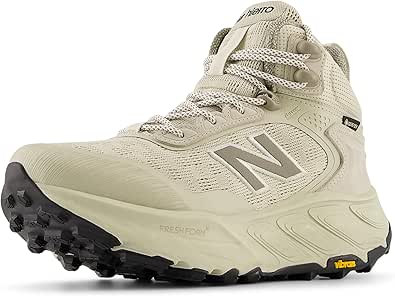 | Best for Year-Round Trail Hiking | Waterproofing: GORE-TEX | Outer material: Mesh | Inner material: Cotton | VIEW LATEST PRICE | See Our Full Breakdown |
| Adidas Men’s Terrex Skychaser AX5 Mid GORE-TEX Hiking Boots |  | Best for Added Ankle Coverage | Brand: Adidas | Model: Terrex Skychaser AX5 | Style: Mid-top hiking boot | VIEW LATEST PRICE | See Our Full Breakdown |
| Salomon Men’s Speedcross GTX Waterproof Trail Running Shoes |  | Best for Muddy Winter Trails | Waterproofing: GORE-TEX membrane | Outsole: Contagrip TA | Closure: Quicklace single-pull, stowable closure | VIEW LATEST PRICE | See Our Full Breakdown |
| Nike Men’s Pegasus 41 GORE-TEX Waterproof Road Running Shoes |  | Best for Wet-Weather Road Running | Waterproofing: GORE-TEX upper | Outer material: Mesh | Midsole: ReactX foam | VIEW LATEST PRICE | See Our Full Breakdown |
| adidas Men’s Terrex Skychaser AX5 GORE-TEX Hiking Shoes |  | Best for Low-Cut Hiking | Brand: adidas | Model: Terrex Skychaser AX5 | Gender: Men’s | VIEW LATEST PRICE | See Our Full Breakdown |
| New Balance Fresh Foam X 880 v15 GORE-TEX Running Shoe |  | Best for Cushioned Everyday Miles | Waterproofing: GORE-TEX fabric | Outer material: Mesh | Inner material: Cotton | VIEW LATEST PRICE | See Our Full Breakdown |
| GORE-TEX winter sneaker | Outsole | Waterproofing | Midsole | Sole material |
|---|---|---|---|---|
| Salomon Men’s XA Pro 3D Gore-T | Contagrip rubber | — | — | — |
| Saucony Men’s Excursion TR18 G | XT-600 carbon rubber | — | — | — |
| HOKA Women’s Kaha 2 Frost Moc | Vibram Megagrip rubber with Traction Lug | GORE-TEX membrane | Dual-density CMEVA with Hubble Heel and SwallowTail design | — |
| New Balance Men’s Fresh Foam X | Hydrohesion rubber | GORE-TEX waterproof fabric | Fresh Foam X | Rubber |
| New Balance Fresh Foam X Hierr | Vibram | GORE-TEX | Fresh Foam X | Rubber |
| Adidas Men’s Terrex Skychaser | — | GORE-TEX | — | — |
| Salomon Men’s Speedcross GTX W | Contagrip TA | GORE-TEX membrane | — | Rubber |
| Nike Men’s Pegasus 41 GORE-TEX | Storm-Tread | GORE-TEX upper | ReactX foam | Rubber |
| adidas Men’s Terrex Skychaser | — | GORE-TEX | — | — |
| New Balance Fresh Foam X 880 v | Hydrohesion rubber | GORE-TEX fabric | Fresh Foam X | Rubber |
More Details on Our Top Picks
Salomon Men’s XA Pro 3D Gore-Tex Waterproof Trail Running Shoes
The XA Pro 3D GTX is the stability-minded choice here: its 3D Advanced Chassis supports controlled footing when winter routes mix wet paths, uneven ground, and short road stretches. The Contagrip rubber outsole is specified for wet and mixed terrain, giving it a broader trail focus than the New Balance Fresh Foam X 880 V15 GORE-TEX, which is aimed more at cushioned road running and wet-surface grip. Quicklace and Sensifit work together for fast adjustment and a close, secure hold—useful when gloves make conventional laces fiddly. The tradeoff is a more structured feel than a cushioning-first sneaker, and the ankle-height shaft is not the coverage of a winter boot. Its synthetic build also offers no stated insulation, so it suits damp, chilly outings better than prolonged exposure to severe cold.
Pros:- GORE-TEX protection is described as waterproof, windproof, and breathable.
- 3D Advanced Chassis supports stability and motion control on uneven terrain.
- Contagrip outsole is designed for wet and mixed surfaces.
- Quicklace and Sensifit provide fast adjustment and a secure fit.
Cons:- No insulation is listed, limiting its appeal for long outings in severe cold.
- The ankle-height shaft offers less coverage than a winter boot.
- Its stability-focused construction may feel firmer than cushioning-first options such as the New Balance Fresh Foam X 880 V15 GORE-TEX.
Best for: Trail runners and active walkers who want a secure, stable GORE-TEX sneaker for wet, uneven winter routes.
Not ideal for: Buyers seeking insulated warmth, higher boot-like coverage, or a soft road-running feel should choose a warmer model such as the HOKA Kaha 2 Frost Moc GTX or a road-focused shoe.
- Waterproof membrane:GORE-TEX
- Upper fabric:100% synthetic
- Outsole:Contagrip rubber
- Stability chassis:3D Advanced Chassis
- Lacing system:Quicklace
- Fit system:Sensifit
- Shaft height:Ankle
- Weight:350 to 400 g
Our verdict“Choose the XA Pro 3D GTX for stable footing and quick fit adjustment on wet winter trails, not for insulated warmth.”
Saucony Men’s Excursion TR18 GTX Trail Running Shoes
The Excursion TR18 GTX pairs waterproof protection with straightforward trail-ready cushioning. Its VERSARUN foam gives underfoot comfort, while the XT-600 carbon rubber outsole uses 4 mm lugs for grip on trails. Compared with the Salomon XA Pro 3D GTX, this Saucony leans more on cushioning and a conventional lace-up fit than on a stability chassis and quick-adjust system. That makes it a sensible match for everyday trail miles and damp winter walks, rather than technical routes where extra motion control may matter more. The GORE-TEX lining adds weather protection, but the supplied details do not list insulation, so it is not a warm substitute for the HOKA Kaha 2 Frost Moc GTX. The stated 4 mm offset may also be a poor match for runners who prefer another heel-to-toe drop.
Pros:- GORE-TEX lining provides waterproof protection.
- VERSARUN foam adds cushioning for everyday trail use.
- XT-600 carbon rubber outsole has 4 mm lugs for trail traction.
- Reinforced heel and toe add protection to the mesh upper.
Cons:- No insulation is listed for sustained cold-weather use.
- The 4 mm offset may not suit runners accustomed to a different drop.
- Lace-up closure lacks the quick adjustment of the Salomon XA Pro 3D GTX Quicklace system.
Best for: Trail runners and walkers who want GORE-TEX protection, cushioned everyday comfort, and defined lugs without a highly structured shoe.
Not ideal for: Runners who need insulated footwear for cold, slow outings or who prefer a heel-to-toe drop other than 4 mm should look elsewhere.
- Waterproof lining:GORE-TEX
- Outer material:Mesh
- Midsole foam:VERSARUN
- Outsole:XT-600 carbon rubber
- Lug depth:4 mm
- Offset:4 mm
- Closure:Lace-up
- Inner material:GORE-TEX, polyurethane
Our verdict“Pick the Excursion TR18 GTX for cushioned, conventional trail use in wet weather, but not for insulated winter warmth or a specific alternative drop.”
HOKA Women’s Kaha 2 Frost Moc GTX
For buyers who mean actual cold-weather footwear by “winter sneakers,” the Kaha 2 Frost Moc GTX is the clearest fit in this group. It combines a GORE-TEX membrane with 100 g PrimaLoft Black insulation and a stretch-fleece collar, addressing warmth as well as wet-weather protection. That makes it a more winter-specific option than the Salomon XA Pro 3D GTX and Saucony Excursion TR18 GTX, whose supplied specifications list waterproofing but no insulation. Underfoot, the dual-density CMEVA midsole and Vibram Megagrip outsole with 5 mm Traction Lugs suit cold trail outings where cushioning and grip matter. The tradeoff is versatility: its insulation may feel too warm in mild conditions, and the product data gives no weight or fit details. Choose it for cold hikes, not as an all-season daily trainer.
Pros:- GORE-TEX membrane and 100 g PrimaLoft Black insulation target cold, wet conditions.
- Vibram Megagrip outsole has 5 mm Traction Lugs for trail grip.
- Dual-density CMEVA midsole includes Hubble Heel and SwallowTail design.
- Upper and collar include recycled materials.
Cons:- Insulation can feel too warm in mild weather or during higher-output use.
- Weight and fit details are not provided in the product data.
- Its cold-weather focus is less versatile for year-round use than the New Balance Fresh Foam X Hierro GORE-TEX.
Best for: Women hiking in cold, wet conditions who want waterproofing, listed insulation, cushioning, and trail-focused grip in one shoe.
Not ideal for: Buyers wanting a lightweight-feeling, uninsulated sneaker for mild weather or those who need published weight and fit details before choosing should skip it.
- Waterproofing:GORE-TEX membrane
- Insulation:100 g PrimaLoft Black
- Upper:91% recycled ripstop polyester
- Collar:Stretch fleece with 35% recycled polyester
- Closure:Quick-lace toggle with recycled bungee lace
- Midsole:Dual-density CMEVA with Hubble Heel and SwallowTail design
- Outsole:Vibram Megagrip rubber with Traction Lug
- Lug depth:5 mm
Our verdict“Choose the Kaha 2 Frost Moc GTX when insulation is a priority for cold hikes; skip it if you need a cooler, more year-round trail shoe.”
New Balance Men’s Fresh Foam X 880 V15 GORE-TEX Running Shoes
The Fresh Foam X 880 V15 GORE-TEX is the road-running pick in this winter lineup. Its GORE-TEX mesh upper protects against wet weather, while Fresh Foam X cushioning is aimed at a comfortable road-running ride; reflective details add visibility for low-light outings. The Hydrohesion rubber outsole is specified to support grip on wet surfaces, a different focus from the deeper trail traction of the New Balance Fresh Foam X Hierro GORE-TEX or the 5 mm lugs on the HOKA Kaha 2 Frost Moc GTX. That road orientation is a benefit for pavement miles, but limits its appeal on muddy or rough trails. No insulation is listed, so it protects against rain rather than adding warmth. The mesh construction may also need more care to keep clean through winter slush.
Pros:- GORE-TEX upper provides waterproof protection while remaining breathable.
- Fresh Foam X midsole supplies cushioning for road runs.
- Hydrohesion rubber outsole is designed to help grip wet surfaces.
- Reflective details improve visibility in low light.
Cons:- No insulation is listed, so it does not add warmth for cold-weather stops.
- Road-focused wet-surface traction is less suited to rough or muddy trails than the Fresh Foam X Hierro GORE-TEX.
- Mesh upper may require care to keep clean in winter conditions.
Best for: Road runners who want a cushioned GORE-TEX shoe for wet winter pavement and low-light runs.
Not ideal for: Trail hikers seeking deep-lug traction, or anyone wanting insulated footwear for long periods outdoors in freezing conditions, should choose another option.
- Waterproofing:GORE-TEX waterproof fabric
- Upper material:Mesh
- Midsole:Fresh Foam X
- Outsole:Hydrohesion rubber
- Visibility:Reflective details
- Sole material:Rubber
- Origin:Imported
Our verdict“Choose the 880 V15 GORE-TEX for cushioned road miles in wet weather, not for insulated warmth or technical trail grip.”
New Balance Fresh Foam X Hierro GORE-TEX Hiking Shoes for Women
The women’s Fresh Foam X Hierro GORE-TEX balances waterproofing, cushioning, and trail protection without the cold-specific insulation of the HOKA Kaha 2 Frost Moc GTX. Its Fresh Foam X midsole is geared toward cushioned hiking, while a Vibram outsole and Toe Protect technology address grip and impacts from rocks, roots, and debris. That makes it the more adaptable trail choice for buyers who hike across seasons, whereas the HOKA is better suited to colder outings where its PrimaLoft insulation earns its keep. The easy-on/off collar is designed to reduce Achilles pressure, a useful comfort detail on walking days. There are tradeoffs: the inner material is cotton, which may take longer to dry if wet, and this model is specifically designed for women.
Pros:- GORE-TEX upper provides waterproof and breathable protection.
- Fresh Foam X midsole adds cushioning for hikes and trail use.
- Vibram outsole provides grip on trails.
- Toe Protect technology helps shield against rocks, roots, and debris.
Cons:- Cotton inner material may take longer to dry if it gets wet.
- No insulation is listed, unlike the HOKA Kaha 2 Frost Moc GTX.
- Designed specifically for women, limiting its fit audience.
Best for: Women hikers looking for a cushioned, waterproof trail shoe with toe protection for year-round routes.
Not ideal for: Buyers seeking insulated footwear for extended outings in severe cold, or shoppers who want a model not designed specifically for women, should look elsewhere.
- Waterproofing:GORE-TEX
- Outer material:Mesh
- Inner material:Cotton
- Midsole:Fresh Foam X
- Outsole:Vibram
- Fit feature:Comfortable collar designed for easy on/off and reduced Achilles pressure
- Protection:Toe Protect technology
- Sole material:Rubber
Our verdict“Choose the Hierro GORE-TEX for cushioned, protected hikes across seasons, but pick the insulated HOKA for colder, slower outings.”
Adidas Men’s Terrex Skychaser AX5 Mid GORE-TEX Hiking Boots
The mid-top cut sets this Terrex apart from the lower-cut Terrex Skychaser AX5 GORE-TEX Hiking Shoes: it offers more coverage around the ankle for hikers who prefer a boot-like feel in cold, unsettled weather. Its GORE-TEX construction is the clearest reason to consider it for winter outings when wet conditions are a concern. The available product details are sparse, though, so I can’t compare its cushioning, outsole grip, or insulation with the more fully described trail shoes in this lineup. Unlike the Salomon Speedcross GTX, which is specified with aggressive lugs for mud and loose terrain, this model has no listed traction details. Choose it for the mid-height design and waterproofing, but look elsewhere if you need documented grip or a lighter road-running feel.
Pros:- Mid-top design provides more ankle coverage than the matching low-cut Terrex Skychaser AX5
- GORE-TEX construction is suited to wet-weather protection
- Hiking-boot format fits outdoor use better than road-focused running shoes
Cons:- Product details do not specify outsole material or traction pattern
- No listed insulation or cushioning information for judging cold-weather comfort
- Mid-top profile may feel less like a lightweight sneaker than lower-cut options
Best for: Hikers who prefer a mid-top boot profile and want GORE-TEX protection for wet-weather walks.
Not ideal for: Buyers who need confirmed outsole traction, insulation, or cushioning details before choosing winter footwear.
- Brand:Adidas
- Model:Terrex Skychaser AX5
- Style:Mid-top hiking boot
- Waterproofing:GORE-TEX
- Intended use:Outdoor hiking
- Product category:Men’s hiking boot
Our verdict“Choose this Terrex if you want a GORE-TEX hiking boot with added ankle coverage, but skip it if you need detailed traction or insulation specifications.”
Salomon Men’s Speedcross GTX Waterproof Trail Running Shoes
For winter routes that turn to mud, the Speedcross GTX puts trail grip ahead of pavement versatility. Its aggressive Contagrip TA lugs are described for wet ground, mud, and loose gravel, giving it a clearer off-road role than the Nike Pegasus 41 GORE-TEX, whose Storm-Tread outsole is aimed at wet roads. The GORE-TEX membrane, debris-resistant mesh, and ripstop upper also suit rough, damp paths, while Quicklace and Sensifit help create a close, adjustable fit. That security comes with a tradeoff: the deep lug pattern may feel awkward on smooth sidewalks, and the ankle-height shaft won’t suit buyers after a low-cut sneaker. I’d pick it for muddy trail mileage, not as an all-purpose winter shoe for mostly paved commutes.
Pros:- GORE-TEX membrane is described as waterproof, windproof, and breathable
- Aggressive Contagrip TA outsole is designed for mud, wet ground, and loose gravel
- Ripstop upper and debris-resistant mesh suit abrasive trail conditions
- Quicklace closure and Sensifit construction support a secure fit
Cons:- Aggressive lugs may feel less suitable on smooth roads and sidewalks
- Ankle-height shaft may not suit buyers who prefer a low-cut shoe
- Trail-focused design is less versatile for everyday pavement use
Best for: Trail runners and hikers who regularly encounter muddy paths, wet ground, or loose gravel in winter.
Not ideal for: Urban commuters and road runners who mainly use smooth pavement and want a lower-cut, versatile shoe.
- Waterproofing:GORE-TEX membrane
- Outsole:Contagrip TA
- Closure:Quicklace single-pull, stowable closure
- Fit system:Sensifit construction
- Shaft height:Ankle
- Upper materials:Synthetic/textile; ripstop fabric and debris-resistant mesh
- Sole material:Rubber
- Origin:Imported
Our verdict“Pick the Speedcross GTX for muddy winter trails and dependable off-road grip, not for mostly paved daily routes.”
Nike Men’s Pegasus 41 GORE-TEX Waterproof Road Running Shoes
The Pegasus 41 GORE-TEX is the road specialist in this group: ReactX foam and forefoot and heel Air Zoom units give it a cushioning setup aimed at running, while the Storm-Tread outsole is designed for wet surfaces. That makes it a more natural match for rainy roads than the Salomon Speedcross GTX, whose deep lugs are better suited to muddy trails. A GORE-TEX upper helps protect against wet weather, and reflective details add visibility in low light. The tradeoff is focus: this is a road-running shoe, not a winter hiking boot, and the mesh upper may need care to maintain. I’d choose it for paved routes in rain, but not for buyers who need trail-specific grip or the extra coverage of a mid-top boot.
Pros:- GORE-TEX upper helps protect against wet weather
- ReactX foam and forefoot and heel Air Zoom units provide a running-focused cushioning setup
- Storm-Tread outsole is designed for traction on wet surfaces
- Full-length reflective details support visibility in low light
Cons:- Road-running design is less suited to muddy trails and uneven terrain
- Mesh outer material may require care to maintain
- Does not offer the mid-top coverage of the Terrex Skychaser AX5 Mid
Best for: Road runners who want cushioned, waterproof footwear for rainy or damp winter routes on pavement.
Not ideal for: Hikers and trail runners who need aggressive off-road lugs or a boot-like shaft for rough winter terrain.
- Waterproofing:GORE-TEX upper
- Outer material:Mesh
- Midsole:ReactX foam
- Cushioning:Forefoot and heel Air Zoom units
- Outsole:Storm-Tread
- Sole material:Rubber
- Inner material:Synthetic
- Visibility:Full-length reflective details
Our verdict“Choose the Pegasus 41 GORE-TEX for cushioned wet-weather road runs, and look to the Speedcross GTX for muddy trails.”
adidas Men’s Terrex Skychaser AX5 GORE-TEX Hiking Shoes
This low-cut Terrex is the straightforward choice for hikers who want GORE-TEX protection in a hiking-shoe format rather than a boot shaft. Compared with the Terrex Skychaser AX5 Mid, it gives up the listed mid-top coverage in favor of a lower profile; that may appeal on walks where a boot feels like more shoe than needed. The product information confirms its hiking category and GORE-TEX designation, but gives no further detail on outsole, fit, cushioning, or materials. That makes it harder to judge winter grip than the Salomon Speedcross GTX, whose Contagrip TA outsole is specifically described for muddy and loose terrain. I’d treat this as a simple waterproof hiking option, not a confidently specified choice for icy or especially technical trails.
Pros:- Low-cut hiking-shoe format differs from the matching mid-top Terrex boot
- GORE-TEX designation suits buyers seeking waterproof protection
- Hiking category is more directly outdoor-focused than the Pegasus 41 road shoe
Cons:- No outsole or lug details are provided to judge wet or winter traction
- Fit, cushioning, and upper materials are not specified
- Offers less ankle coverage than the Terrex Skychaser AX5 Mid
Best for: Hikers who prefer a low-cut shoe and want GORE-TEX designation for wet-weather outdoor use.
Not ideal for: Buyers who need confirmed winter traction, cushioning, or upper-material details before choosing a hiking shoe.
- Brand:adidas
- Model:Terrex Skychaser AX5
- Gender:Men’s
- Type:Hiking shoes
- Waterproofing:GORE-TEX
- Cut:Low-cut shoe
Our verdict“Choose this model if you want a low-cut GORE-TEX hiking shoe, but favor the Speedcross GTX when documented muddy-trail traction matters.”
New Balance Fresh Foam X 880 v15 GORE-TEX Running Shoe
The Fresh Foam X 880 v15 pairs a GORE-TEX fabric upper with Fresh Foam X cushioning, making it a practical fit for everyday runs and walks when rain is more likely than rough trail terrain. Its Hydrohesion rubber outsole is designed for wet-condition grip, while reflective details help in dark winter hours. Compared with the Nike Pegasus 41 GORE-TEX, this New Balance uses a named wet-grip outsole and Fresh Foam X rather than ReactX foam with Air Zoom units; the better fit depends on which cushioning feel you prefer. The tradeoffs are a structured mesh upper that may feel less flexible and a cotton inner material that may take longer to dry if wet. It suits pavement mileage better than muddy trails like those targeted by the Salomon Speedcross GTX.
Pros:- GORE-TEX fabric provides waterproof, breathable protection
- Fresh Foam X midsole offers cushioning for everyday running and walking
- Hydrohesion rubber outsole is designed for grip in wet conditions
- Reflective details support visibility in the dark
Cons:- Structured mesh upper may feel less flexible
- Cotton inner material may take longer to dry if it gets wet
- Road-oriented design is less suited to muddy trails than the Salomon Speedcross GTX
Best for: Runners and walkers who want cushioned everyday footwear for wet pavement and low-light winter outings.
Not ideal for: Trail users who need aggressive lugs, or buyers who prioritize a flexible upper and quick-drying interior materials.
- Waterproofing:GORE-TEX fabric
- Outer material:Mesh
- Inner material:Cotton
- Midsole:Fresh Foam X
- Outsole:Hydrohesion rubber
- Sole material:Rubber
- Visibility:Reflective details
- Origin:Imported
Our verdict“Choose the 880 v15 GORE-TEX for cushioned wet-weather pavement miles, but skip it if you need flexible uppers or aggressive trail grip.”
How We Picked
I ranked these shoes by how well their design matches practical winter use, not by treating a waterproof membrane as a complete winter solution. The main criteria were wet-weather protection, outsole grip, cushioning and stability, plus coverage, likely versatility, and how well each shoe’s intended terrain matches its role. I also weighed the drawbacks: aggressive trail lugs can feel awkward on pavement, road-running soles may be less suited to mud, and low-cut designs offer less coverage than a mid boot.
The order favors the broadest usefulness for common wet-weather routines, then gives specialized models credit when they serve a clear need better. That puts the XA Pro 3D GTX ahead as a balanced trail-to-everyday choice, while the Kaha 2 Frost Moc GTX and Pegasus 41 GORE-TEX rank for distinct cold-comfort and road-running priorities. The duplicated New Balance 880 V15 listings are treated as one model family rather than two separate innovations. Since waterproofing alone does not determine warmth or ice traction, I also call out where buyers may need different socks, a more insulated shoe, or traction aids.
| GORE-TEX winter sneaker | Waterproofing | Midsole |
|---|---|---|
| Salomon Men’s XA Pro 3D Gore-T | — | — |
| Saucony Men’s Excursion TR18 G | — | — |
| HOKA Women’s Kaha 2 Frost Moc | GORE-TEX membrane | Dual-density CMEVA with Hubble Heel and SwallowTail design |
| New Balance Men’s Fresh Foam X | GORE-TEX waterproof fabric | Fresh Foam X |
| New Balance Fresh Foam X Hierr | GORE-TEX | Fresh Foam X |
| Adidas Men’s Terrex Skychaser | GORE-TEX | — |
| Salomon Men’s Speedcross GTX W | GORE-TEX membrane | — |
| Nike Men’s Pegasus 41 GORE-TEX | GORE-TEX upper | ReactX foam |
| adidas Men’s Terrex Skychaser | GORE-TEX | — |
| New Balance Fresh Foam X 880 v | GORE-TEX fabric | Fresh Foam X |
Factors to Consider When Choosing Best GORE-TEX Winter Sneakers
Before choosing a pair, I would match the shoe to the surfaces and temperatures you actually face. A waterproof running shoe can work well for rainy commutes yet disappoint on packed snow, while a grippy trail shoe may feel clumsy on sidewalks. These factors help separate weather protection from the other qualities that make a shoe comfortable and useful through winter.
Match the outsole to your route
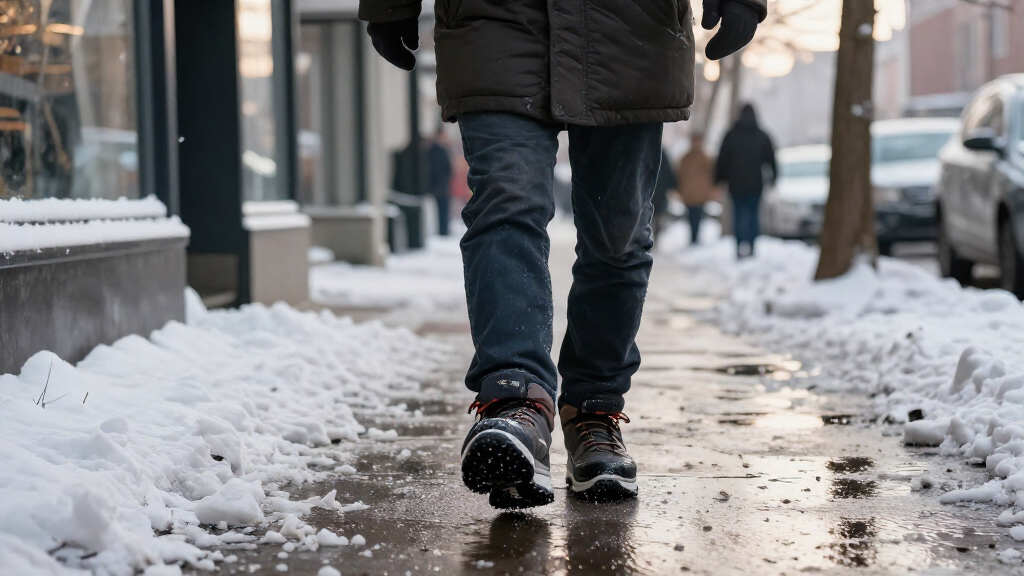
Start with the surface, not the word “winter” in a product name. Road shoes generally prioritize a smoother, more consistent stride on pavement, while trail shoes use more assertive tread for dirt, mud, and uneven ground. Deep lugs can help on soft or loose terrain but may feel harsh or unstable on hard sidewalks. Neither a waterproof membrane nor an aggressive tread guarantees grip on ice. If your route mixes pavement with park paths, look for a compromise rather than choosing the most rugged outsole by default. For frequent icy conditions, consider traction devices designed for footwear instead of expecting a sneaker sole to do everything.
Separate waterproofing from warmth
GORE-TEX helps limit water entering through the shoe’s upper, but it is not insulation. Your feet can still feel cold in a waterproof sneaker if the lining, sole, or overall construction is not made for low temperatures. A thicker sock may help, though it can change the fit and reduce room for toe movement. Avoid sizing up automatically: excess space can let the foot slide, while a cramped fit can make toes feel colder. Think about how long you will stay outside and whether you can change into dry footwear afterward. For long periods in snow or freezing weather, a warmer boot may suit you better than a lightweight sneaker.
Choose low-cut or mid-height coverage deliberately
Low-cut shoes are easier to put on and often feel more natural for running or daily walking. Their main limitation is the opening: snow, water, and debris can enter over the collar even when the upper itself resists moisture. A mid-height design can give more coverage around the ankle, but it may feel heavier or less flexible during a run. Gaiters can reduce entry from above without requiring a taller shoe, though they add another piece of gear to manage. Consider snow depth and how often you step through slush rather than assuming higher coverage is always better. If your winter routes are mostly cleared pavement, a low-cut shoe may be the more comfortable choice.
Prioritize fit with winter socks in mind
Try the shoe with the socks you expect to wear in cold weather, since thickness can change both fit and feel. Your toes should have enough room to move without your heel lifting or your foot sliding on descents. A waterproof lining can make fit feel less forgiving than a breathable mesh upper, so pay attention to pressure across the instep and forefoot. Lacing systems also matter: a secure midfoot can help prevent movement on trails, but overtightening may create discomfort as your feet swell during activity. Do not assume the same size will fit identically across road, trail, and hiking models. When buying online, check the return policy and compare the brand’s sizing guidance before committing.
Balance cushioning, stability, and terrain
Soft cushioning can make long walks and steady runs more comfortable, but a plush ride is not automatically the safest choice on uneven ground. A more structured platform may feel steadier on trails, while a road-oriented shoe can feel smoother over consistent pavement. Consider whether you value impact comfort, ground feel, or lateral support most. If you carry a pack or spend hours on rough paths, stability and secure foot hold may matter more than a springy running sensation. For short commutes on flat streets, a lighter, more flexible shoe may be easier to wear every day. Match the shoe’s construction to the activity rather than buying the most cushioned option by default.
Know what waterproof care can and cannot fix
Waterproof shoes still need routine care, especially after exposure to road salt, mud, and grit. Rinse away residue with gentle cleaning and let shoes dry at room temperature rather than placing them beside a heater. Heat can damage materials and adhesives, while leaving wet footwear in a closed bag can slow drying and encourage odor. The membrane cannot prevent water from entering over the collar, so deep slush may call for gaiters or taller footwear. Waterproof construction can also feel warmer during hard efforts, making ventilation a real tradeoff for runners. If your routes involve frequent stream crossings or deep snow, a sneaker may fall short regardless of its membrane.
Frequently Asked Questions
Are GORE-TEX winter sneakers warm enough for snow?
They can handle wet snow and slush, but GORE-TEX alone does not provide insulation. Warmth depends on the shoe’s lining, sole, fit, your socks, and how long you stay outdoors. A low-cut sneaker can also let snow enter over the collar even when its upper resists water. For short walks on cleared paths, a waterproof sneaker may be enough; for prolonged exposure or deeper snow, a winter boot is usually a better match. Choose based on temperature and snow depth, not the membrane name alone.
Can I use a GORE-TEX trail sneaker on icy sidewalks?
A trail outsole may grip loose dirt or mud better than a road outsole, but that does not make it dependable on ice. Ice traction depends on the rubber compound, tread design, and surface conditions, and these models are not a substitute for dedicated ice footwear. If your daily route includes slick patches, slow down and consider removable traction devices that fit your shoes. Also think about where you will wear the pair most: an aggressive trail tread can feel awkward on long stretches of pavement. Waterproofing keeps water out; it does not prevent slipping.
Should I choose a mid-height shoe or a low-cut sneaker for winter?
Choose a mid-height model when ankle coverage and keeping debris out matter more than a light, flexible feel. Low-cut shoes are often easier for running and everyday use, but snow can enter from above the collar. Your usual snow depth is a useful guide: cleared sidewalks favor low cuts, while frequent slush or snowy paths may justify extra coverage. A gaiter can add protection to some low-cut shoes, though it adds setup and another item to maintain. Fit and comfort during your actual activity should decide between the two.
Are waterproof running shoes a good choice for everyday winter walking?
They can be a sensible option if your walks are mostly on paved, wet routes and you prefer a running-shoe feel. A road-focused model may feel smoother on sidewalks than a trail shoe with deep lugs. For uneven paths, mud, or packed snow, a trail design may offer a more suitable tread pattern. Neither type necessarily provides the warmth or ankle coverage of a winter boot. Consider whether you will walk for a few minutes or spend hours outside, since duration can change the comfort equation.
What should I do if my feet get cold in waterproof sneakers?
First check that the fit leaves room for your toes, especially when wearing the socks you use in winter. A tight shoe can limit comfortable movement, while a very thick sock may make the fit too cramped. Let wet shoes dry fully between wears and avoid placing them against direct heat. If your feet still get cold during short outings, the shoe may lack the insulation or coverage your conditions require. For long exposure in low temperatures, choosing a warmer winter boot is more effective than expecting the membrane to add warmth.
Conclusion
For the widest range of wet-weather trail and everyday use, I recommend the Salomon XA Pro 3D GTX as best overall. The Saucony Excursion TR18 GTX is my best value-oriented pick for shoppers who want a straightforward waterproof trail shoe, while the HOKA Kaha 2 Frost Moc GTX is the premium cold-comfort choice for buyers who prioritize winter-friendly cushioning and coverage over a conventional running feel. Beginners who want one familiar shoe for regular road runs should start with the Nike Pegasus 41 GORE-TEX; its road focus makes more sense than an aggressive trail tread on pavement. For muddy routes, look to the Salomon Speedcross GTX; for added ankle coverage, choose the adidas Terrex Skychaser AX5 Mid GTX; and for hiking in a low-cut design, consider the New Balance Hierro GORE-TEX. The New Balance 880 V15 GORE-TEX listings suit road runners seeking a cushioned waterproof option, but compare the exact listing because the roundup includes the same model family twice. If your main problem is ice or deep snow, choose dedicated traction or insulated footwear rather than relying on any sneaker here.