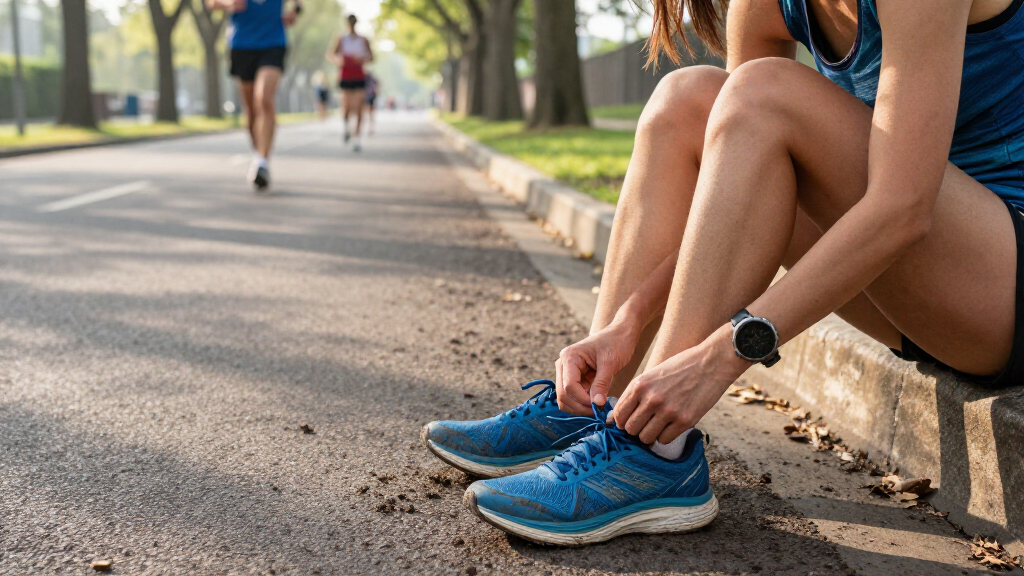
For most marathoners choosing among these 11 shoes, the Brooks Hyperion Max 3 is the best overall starting point: it balances long-run cushioning with a faster feel. The Brooks Hyperion Elite 5 and New Balance FuelCell SuperComp Elite V5 are more race-focused options for runners who want plated propulsion, while the Brooks Ghost 17 favors steady comfort over speed. The right choice depends on your pace, support needs, and whether you want one shoe for training and race day or a dedicated racer. A stiff, fast shoe can feel less forgiving over many miles, while a comfortable daily trainer may lack the pop some runners want on race day. Read on for how the options differ and which one fits your marathon plans.

Get sports gear delivered free — and shop member deals
- Fast, free delivery on millions of items
- Access to Prime Big Deal Days deals on October 6–7
- Prime Video, Amazon Music and more included
Complete the kit


Key Takeaways
- The Hyperion Max 3 earns the broadest role: it bridges long-run comfort and faster training better than the more specialized Elite 5 racer.
- Dedicated race shoes come with a narrower use case: the Hyperion Elite 5 and FuelCell SuperComp Elite V5 suit runners prioritizing race-day propulsion over everyday versatility.
- The Ghost models favor dependable mileage: Ghost 17 is the more straightforward neutral daily trainer, while Ghost AMP is another option for runners who want a different training-focused feel.
- Support needs change the shortlist: the Adrenaline GTS 25 offers stability-oriented guidance, unlike the neutral Hyperion and Ghost models.
- Maximum cushioning is not the same as marathon speed: the Bondi 9 leans toward protective comfort, while the Revel 8 is a simpler, lighter-feeling choice for less specialized training.
| Brooks Hyperion Elite 5 Unisex Neutral Race Running Shoe |  | Best Elite Race Day Pick | Brand: Brooks | Model: Hyperion Elite 5 | Gender: Unisex (Men & Women) | VIEW LATEST PRICE | See Our Full Breakdown |
| Brooks Men’s Ghost AMP Running Shoe |  | Best Daily Trainer with Race Day Potential | Upper: Warp knit spacer | Midsole: DNA HYPE, nitrogen-infused PEBA and EVA | Insole: EVA | VIEW LATEST PRICE | See Our Full Breakdown |
| Brooks Women’s Hyperion Max 3 Neutral Running Shoe |  | Best for Women Chasing a PR | Brand: Brooks | Gender: Women’s | Shoe type: Neutral running | VIEW LATEST PRICE | See Our Full Breakdown |
| Brooks Men’s Hyperion Max 3 Neutral Running Shoe |  | Best Men’s Marathon Workout Shoe | Cushioning: DNA GOLD 100% PEBA and DNA FLASH v2 | Plate: SpeedVault plate | Rocker geometry: RapidRoll Rocker | VIEW LATEST PRICE | See Our Full Breakdown |
| Brooks Men’s Hyperion 3 Neutral Running Shoe |  | Best Lightweight Trainer for Speed Work | Cushioning: Nitrogen-infused DNA Flash v2 | Upper: Double jacquard knit | Outsole: RoadTack rubber | VIEW LATEST PRICE | See Our Full Breakdown |
| New Balance Women’s FuelCell SuperComp Elite V5 Running Shoe |  | Best Premium Race Day Pick | Midsole: PEBA foam | Plate: Carbon fiber | Upper: FantomFit | VIEW LATEST PRICE | See Our Full Breakdown |
| Brooks Men’s Revel 8 Running Shoe |  | Best Value All-Rounder | Cushioning: DNA Loft v2 | Outsole: RoadTack rubber | Sole material: Rubber | VIEW LATEST PRICE | See Our Full Breakdown |
| Hoka Men’s Bondi 9 Running Shoes |  | Best Max Cushion for Recovery and Long Miles | Model: Bondi 9 | Midsole: Premium EVA foam | Sole material: Ethylene Vinyl Acetate | VIEW LATEST PRICE | See Our Full Breakdown |
| Brooks Women’s Ghost 17 Neutral Running Shoe |  | Best Beginner-Friendly Daily Trainer | Model: Ghost 17 | Cushioning: DNA LOFT v3 (nitrogen-infused) | Support: Neutral | VIEW LATEST PRICE | See Our Full Breakdown |
| ASICS Men’s NOVABLAST 5 Running Shoes |  | Best Bouncy Tempo Trainer | Cushioning: FF BLAST MAX | Outsole: Trampoline-inspired rubber | Upper: Breathable engineered jacquard mesh (at least 75% recycled) | VIEW LATEST PRICE | See Our Full Breakdown |
| Brooks Men’s Adrenaline GTS 25 Running Shoe |  | Best for Stability-Focused Marathon Training | Support system: GuideRails | Cushioning: Nitrogen-infused DNA LOFT v3 | Outer material: Mesh | VIEW LATEST PRICE | See Our Full Breakdown |
| running shoes for marathon | Cushioning | Sole material | Outer Material | Outsole |
|---|---|---|---|---|
| Brooks Hyperion Elite 5 Unisex | DNA Gold 100% PEBA foam | — | Nylon | SpeedTack lightweight rubber |
| Brooks Men’s Ghost AMP Running | — | — | — | — |
| Brooks Women’s Hyperion Max 3 | DNA GOLD (100% PEBA) with DNA FLASH v2 | — | — | — |
| Brooks Men’s Hyperion Max 3 Ne | DNA GOLD 100% PEBA and DNA FLASH v2 | Rubber | Nylon | — |
| Brooks Men’s Hyperion 3 Neutra | Nitrogen-infused DNA Flash v2 | Rubber | Nylon | RoadTack rubber |
| New Balance Women’s FuelCell S | — | Rubber | Mesh | — |
| Brooks Men’s Revel 8 Running S | DNA Loft v2 | Rubber | Mesh | RoadTack rubber |
| Hoka Men’s Bondi 9 Running Sho | — | Ethylene Vinyl Acetate | Polyester | Durabrasion rubber |
| Brooks Women’s Ghost 17 Neutra | DNA LOFT v3 (nitrogen-infused) | Rubber | — | Recycled-silica rubber |
| ASICS Men’s NOVABLAST 5 Runnin | FF BLAST MAX | Rubber | — | Trampoline-inspired rubber |
| Brooks Men’s Adrenaline GTS 25 | Nitrogen-infused DNA LOFT v3 | Rubber | Mesh | — |
More Details on Our Top Picks
Brooks Hyperion Elite 5 Unisex Neutral Race Running Shoe
This option stands out as the purest marathon racing weapon in the entire lineup. The DNA Gold 100% PEBA foam paired with a size-customized SpeedVault Race+ carbon plate makes it the most propulsive choice here — the plate is actually tuned per size, so smaller runners aren’t dragging a plate stiffened for bigger athletes. Compared with the Hyperion Max 3, the Elite 5 sacrifices nothing for comfort and everything for speed: it is lighter, snappier, and far less forgiving. The unisex sizing also means women chasing a true elites-level racer can grab it without compromise, unlike the women’s-specific Max 3. The tradeoff is real: PEBA foam and a thin SpeedTack outsole mean this shoe should be reserved for race day and a handful of tune-up efforts, not the 500 miles of training that get you to the start line.
Pros:- DNA Gold PEBA foam delivers Brooks’ lightest, highest energy-return ride
- Size-customized carbon plate matches stiffness to foot length for better propulsion
- Silicone lace sheaths keep the fit locked down for the full 26.2
- SpeedTack outsole grips wet roads without adding weight
Cons:- Built purely for racing — foam durability limits total mileage
- Firm, aggressive ride punishes slower-paced easy runs
Best for: Competitive marathoners chasing a PR who want a dedicated super shoe for race day and already do their training in something durable
Not ideal for: Runners who want one shoe for everything — the fragile PEBA stack and racing geometry make it a poor daily trainer
- Brand:Brooks
- Model:Hyperion Elite 5
- Gender:Unisex (Men & Women)
- Cushioning:DNA Gold 100% PEBA foam
- Plate:SpeedVault Race+ carbon fiber
- Outsole:SpeedTack lightweight rubber
- Outer Material:Nylon
- Predecessor:Hyperion Elite 3
Our verdict“If you have one race-day slot in your rotation and a PB on the line, this is the shoe to fill it.”
Brooks Men’s Ghost AMP Running Shoe
The Ghost AMP occupies a smart middle ground in this roundup: it borrows the bouncy, nitrogen-infused DNA HYPE (PEBA + EVA) midsole from Brooks’ racing line but packages it in a friendlier everyday shape. Where the Hyperion 3 leans firmer and faster, and the Hoka Bondi 9 goes plush and heavy, the Ghost AMP threads the needle for marathoners who want one shoe to handle tempo Tuesdays and long slow Sundays. The SpringRamp forefoot geometry gives toe-offs an energetic nudge without demanding race-day pace to feel good, and the gusseted tongue plus midfoot lockdown keep the fit quiet when fatigue sets in late in a run. The catch is that it is not a super shoe — runners who want maximum pop over the final 10K will still want the Hyperion Elite 5 in reserve.
Pros:- DNA HYPE foam blends PEBA energy return with EVA durability for high mileage
- Breathable warp knit upper stays comfortable across long efforts
- SpringRamp forefoot supports energetic toe-offs at tempo pace
- Gusseted tongue and midfoot lockdown prevent slippage when tired
Cons:- More responsive than plush — not the shoe for runners wanting soft landings
- Lacks a carbon plate, so it can’t match race-day super shoes for propulsion
Best for: Marathoners doing most of their training in one shoe who still want pop for faster sessions
Not ideal for: Runners who prefer a soft, cushioned-plush ride — the lively DNA HYPE foam stays firm and responsive
- Upper:Warp knit spacer
- Midsole:DNA HYPE, nitrogen-infused PEBA and EVA
- Insole:EVA
- Sole:Rubber
- Closure:Lace-up
- Heel-to-toe offset:6 mm
- Lining:Nylon
Our verdict“A sensible one-shoe marathon trainer for runners who value versatility over a dedicated race-day rocket.”
Brooks Women’s Hyperion Max 3 Neutral Running Shoe
This women’s-specific Hyperion Max 3 is the closest thing to a do-it-all marathon super shoe for female runners who don’t want a fragile race-day-only model. Unlike the Hyperion Elite 5, which uses a pure PEBA stack built to survive only a few races, this shoe layers DNA GOLD PEBA over DNA FLASH v2, giving up a little snap for meaningful longevity. The SpeedVault plate plus RapidRoll Rocker geometry keeps transitions rolling smoothly from mile 1 to mile 26, which matters more than raw stiffness when your form deteriorates late in the race. Compared with the ASICS NOVABLAST 5, it trades plush bounce for forward propulsion — a fair swap for anyone racing rather than jogging. The honest drawback: the tall superfoam stack can feel tippy for runners unused to high-platform shoes.
Pros:- DNA GOLD PEBA foam delivers top-tier energy return with DNA FLASH v2 adding durability
- SpeedVault plate and RapidRoll Rocker keep transitions smooth when form fades
- Lightweight breathable mesh with lockdown fit suits warm race mornings
- Durable enough for regular workouts, not just race day
Cons:- Premium super-shoe positioning makes it costly next to everyday trainers
- High-stack platform may feel unstable, especially late-race when legs tire
Best for: Women racing their first or second marathon who want super-shoe technology durable enough for weekly hard workouts too
Not ideal for: Runners sensitive to unstable platforms — the high stack and rocker feel wobbly on uneven surfaces
- Brand:Brooks
- Gender:Women’s
- Shoe type:Neutral running
- Cushioning:DNA GOLD (100% PEBA) with DNA FLASH v2
- Plate:SpeedVault plate
- Rocker:RapidRoll Rocker
- Sole:Rubber
- Predecessor:Hyperion Max 2
Our verdict“The best women’s pick here for runners who want one performance shoe for workouts and race day alike.”
Brooks Men’s Hyperion Max 3 Neutral Running Shoe
The men’s Hyperion Max 3 earns its slot as the workhorse of the Hyperion family — the shoe you actually log miles in before pulling on the Elite 5 on race morning. Its DNA GOLD PEBA + DNA FLASH v2 midsole and SpeedVault plate deliver real propulsion, but the story compared with the Hyperion Elite 5 is durability: this model is built to handle weekly tempo runs, marathon-pace long runs, and race-day itself if you only buy one shoe. Against the Brooks Adrenaline GTS 25, it swaps stability support for speed — neutral-gait runners get a faster, lighter ride, while overpronators should steer toward the Adrenaline. The RapidRoll Rocker is the quiet MVP here, making heel-to-toe motion feel effortless at marathon pace. It is overbuilt for casual jogging, though — runners doing mostly easy miles are paying for technology they won’t use.
Pros:- DNA GOLD PEBA cushioning provides elite-level energy return
- SpeedVault plate adds propulsion without a full racing-shoe feel
- RapidRoll Rocker geometry smooths heel-to-toe transitions at marathon pace
- Lightweight breathable mesh keeps feet cool over long distances
Cons:- Performance-focused design feels like overkill for casual or recovery runs
- Lacks stability features, so unsuitable for runners needing support
Best for: Neutral-gait men building a marathon block who need one shoe for fast workouts and the race itself
Not ideal for: Overpronators or easy-pace-only joggers — no stability support, and the performance features go unused at slower speeds
- Cushioning:DNA GOLD 100% PEBA and DNA FLASH v2
- Plate:SpeedVault plate
- Rocker geometry:RapidRoll Rocker
- Outer material:Nylon
- Sole material:Rubber
- Closure:Lace-up
- Predecessor:Hyperion Max 2
Our verdict“The ideal men’s pick for a marathon training block — fast enough to race in, durable enough to train in.”
Brooks Men’s Hyperion 3 Neutral Running Shoe
Not every marathoner needs a carbon plate. The Hyperion 3 proves it with nitrogen-infused DNA Flash v2 foam that feels quick and springy while keeping the shoe accessible for everyday speed work — intervals, progression runs, and race-pace reps. Brooks added 2 mm more cushioning than the Hyperion 2, which shows: the ride is noticeably friendlier over long intervals than before. Compared with the Hyperion Max 3, it gives up the plate and superfoam stack, making it a better pick for runners who find plated shoes harsh or distracting. And against the Bondi 9 at the opposite extreme, it is the featherweight choice — brisk where the Hoka is cushioned. The double jacquard knit upper and RoadTack outsole round out a shoe that doubles nicely for gym sessions. The flat midsole, though, offers zero support for overpronators.
Pros:- Nitrogen-infused DNA Flash v2 foam feels springy without a plate
- 2 mm extra cushioning versus the Hyperion 2 improves long-interval comfort
- Double jacquard knit upper is breathable with secure midfoot lockdown
- RoadTack outsole balances grip, durability, and rebound
Cons:- No stability features — a poor match for overpronators
- Firmer ride than plush trainers like the Hoka Bondi 9, so harsh on true easy days
Best for: Neutral runners who do regular speed work but find carbon-plated shoes too aggressive or too expensive
Not ideal for: Overpronators and runners who want maximum cushion — the neutral, low-support build won’t hold up for either
- Cushioning:Nitrogen-infused DNA Flash v2
- Upper:Double jacquard knit
- Outsole:RoadTack rubber
- Sole material:Rubber
- Inner material:Knit
- Outer material:Nylon
- Predecessor:Hyperion 2
- Added cushioning:2 mm more DNA Flash than Hyperion 2
Our verdict“A plate-free speed shoe for marathoners who want genuine quickness without super-shoe cost or stiffness.”
New Balance Women’s FuelCell SuperComp Elite V5 Running Shoe
This model stands out as the most focused race-day weapon in this lineup, pairing a PEBA foam midsole with a carbon fiber plate to deliver the kind of propulsion that steady trainers like the Brooks Ghost 17 simply don’t attempt. The rocker geometry encourages a smooth heel-to-toe roll, which pays off late in a marathon when form starts to break down. Compared with the Brooks Hyperion Elite 5, this option leans more toward a plush, forgiving ride rather than a bare-minimum feel. The tradeoff is real: the FantomFit upper is thin and locked-in by design, so it’s uncomfortable for easy jogs, and durability over hundreds of training miles is not its mission. Treat it as a tool you save for the starting line.
Pros:- Responsive PEBA foam returns energy late in the race
- Carbon fiber plate supports a propulsive stride
- Lightweight FantomFit upper keeps the foot locked in place
- Rocker profile smooths fatigue-induced form breakdown
Cons:- Purpose-built for racing, limiting everyday versatility
- Premium race shoes typically have a shorter usable lifespan than trainers
Best for: Competitive female marathoners chasing a PR who already do their training in something more durable
Not ideal for: Runners wanting one shoe for both training and racing — the race-day build won’t hold up to daily mileage
- Midsole:PEBA foam
- Plate:Carbon fiber
- Upper:FantomFit
- Sole material:Rubber
- Outer material:Mesh
- Intended use:Race day
Our verdict“Buy this if race day is the whole point and you have a separate trainer for the buildup.”
Brooks Men’s Revel 8 Running Shoe
The Revel 8 earns its spot as the budget-friendly multitasker — a shoe that handles a training block and then doubles as a casual everyday sneaker, something no carbon-plated option here can claim. Its DNA Loft v2 cushioning adapts to your stride and softens impact without the marshmallow depth of the Hoka Bondi 9, making it a better match for runners who want a firmer, more connected feel. The engineered mesh upper breathes well through long sessions, and the RoadTack rubber outsole adds spring without much weight. The tradeoff: it lacks the energetic pop of the ASICS Novablast 5 or the plushness of the Ghost 17, so runners logging high mileage or hunting a PR may find it under-spec’d. For a first marathon on a budget, though, it’s a sensible pick.
Pros:- Adaptable cushioning softens impact across varied paces
- Breathable mesh upper suits long, warm-weather runs
- Lightweight RoadTack outsole adds traction and rebound
- Versatile enough to wear beyond running
Cons:- Cushioning is shallower than dedicated long-run trainers
- Less energetic ride than bouncier competitors in this guide
Best for: First-time marathoners and casual runners who want one affordable shoe for training, gym sessions, and everyday wear
Not ideal for: High-mileage runners or PR chasers who need premium foam and race-day energy return
- Cushioning:DNA Loft v2
- Outsole:RoadTack rubber
- Sole material:Rubber
- Outer material:Mesh
- Inner material:Nylon
- Predecessor:Revel 7
- Recognition:APMA Seal of Acceptance
Our verdict“A smart buy if you need one do-everything shoe rather than a specialized marathon weapon.”
Hoka Men’s Bondi 9 Running Shoes
If your marathon plan includes big weekend long runs and slow recovery jogs, the Bondi 9 is the cushioning benchmark of this group. Its increased stack height and premium foam midsole absorb pounding that a lighter shoe like the Brooks Revel 8 passes straight into your legs, which matters most in the final weeks of training. The structured knit upper with zonal breathability keeps the plush feel from becoming a sweatbox, and the Durabrasion rubber outsole protects high-wear zones so the shoe survives a full buildup. The flip side: this much softness comes at a weight and ground-feel penalty, and runners who prefer a firm, responsive ride — or who race in something like the Hyperion line — may find it too soft and slightly unstable at faster paces.
Pros:- Maximum cushioning softens the longest training runs
- Increased stack height protects joints on back-to-back days
- Zonal breathability in the knit upper prevents overheating
- Durabrasion rubber extends outsole life in high-wear areas
Cons:- May feel too soft or unstable for runners who prefer a firmer ride
- Heavier than daily trainers like the Ghost 17, dulling fast paces
Best for: Heavy-set runners and high-mileage trainers who prioritize impact protection on long, slow runs
Not ideal for: Speed-focused runners who want ground feel and a firm, snappy ride at tempo pace
- Model:Bondi 9
- Midsole:Premium EVA foam
- Sole material:Ethylene Vinyl Acetate
- Outer material:Polyester
- Lining:Engineered Mesh / Textile
- Outsole:Durabrasion rubber
- Origin:Imported
Our verdict“This is the shoe for logging forgiving miles, not for racing — pair it with a race-day option from higher in this list.”
Brooks Women’s Ghost 17 Neutral Running Shoe
The Ghost 17 is my pick for the most balanced everyday trainer here — softer and more forgiving than the Brooks Revel 8, lighter and more nimble than the Hoka Bondi 9, and far more durable than the race-focused New Balance SuperComp Elite V5. Nitrogen-infused DNA LOFT v3 cushioning with extra foam at the heel and forefoot makes it comfortable straight out of the box, which first-time marathoners will appreciate as their mileage climbs. The certifications are unusual for this roundup: PDAC A5500 diabetic-friendly and APMA recognition make it a safe choice for runners with sensitive feet. The compromises are fair — it’s a neutral shoe with no stability features, so overpronators should look at the Adrenaline GTS 25 instead, and there’s no carbon plate energy return for race day.
Pros:- Nitrogen-infused DNA LOFT v3 cushioning stays comfortable as mileage increases
- Breathable double jacquard air mesh keeps feet cool on long runs
- PDAC A5500 diabetic certification and APMA Seal suit sensitive feet
- Durable recycled-silica rubber outsole delivers responsive rebound
Cons:- Neutral support won’t suit runners needing stability or motion control
- Lacks the energetic propulsion of carbon-plated race shoes
Best for: Beginner-to-intermediate female marathoners building mileage who want one comfortable, certified-friendly shoe for most of training
Not ideal for: Overpronators needing stability or motion control — the neutral platform won’t correct their gait
- Model:Ghost 17
- Cushioning:DNA LOFT v3 (nitrogen-infused)
- Support:Neutral
- Upper:Double jacquard air mesh
- Sole material:Rubber
- Outsole:Recycled-silica rubber
- Certifications:PDAC A5500 Diabetic Certified; APMA Seal of Acceptance; Carbon Neutral
- Origin:Imported
Our verdict“The safest all-around training choice in this guide — buy it for the buildup, not for a PR attempt.”
ASICS Men’s NOVABLAST 5 Running Shoes
This model fills a gap between plush trainers and race shoes: the FF BLAST MAX cushioning and trampoline-inspired outsole create a bouncy, energetic ride that makes tempo runs and marathon-pace work feel easier than they do in the softer Hoka Bondi 9. Unlike the New Balance SuperComp Elite V5, there’s no carbon plate — so it’s less about raw propulsion and more about a fun, springy feel that holds up across daily miles. The stretch tongue wing is a small detail with a real payoff, keeping the tongue from sliding during faster efforts, and reflective details help early-morning runners. The catch: this shoe runs large, so sizing down is wise, and the bouncy ride trades away some of the planted stability that heavier runners get from the Ghost 17.
Pros:- FF BLAST MAX cushioning delivers a lightweight, energetic ride
- Trampoline-inspired outsole adds responsive bounce at faster paces
- Stretch tongue wing improves fit and stops tongue slide
- Reflective details improve visibility for low-light runs
Cons:- Runs large, requiring most buyers to size down
- Bouncy ride feels less planted than stable trainers like the Ghost 17
Best for: Intermediate marathoners who want one springy shoe for marathon-pace workouts and daily training
Not ideal for: Runners who need a locked-down, true-to-size fit or a planted, stable ride on easy days
- Cushioning:FF BLAST MAX
- Outsole:Trampoline-inspired rubber
- Upper:Breathable engineered jacquard mesh (at least 75% recycled)
- Fit:Runs large
- Sole material:Rubber
- Inner material:Polyester
- Reflective details:Yes
- Origin:Imported
Our verdict“Pick this if you want race-shoe energy in a trainer — just mind the sizing.”
Brooks Men’s Adrenaline GTS 25 Running Shoe
The Adrenaline GTS 25 suits marathon runners who want guidance and cushioning through long training runs more than a lightweight race-day feel. Its GuideRails support helps limit excess movement, while nitrogen-infused DNA LOFT v3 cushioning and a smooth-transition outsole aim to keep the ride comfortable as miles add up. Compared with the neutral Brooks Hyperion Max 3, this is the more supportive, everyday-training choice; the Hyperion line is better suited to runners prioritizing a faster, lighter feel. The tradeoff is that the Adrenaline’s support-focused design may feel less natural to runners who prefer neutral shoes, and the provided details don’t establish it as a dedicated racing model. I’d choose it for consistent marathon preparation, then look to a lighter option for race day.
Pros:- GuideRails support helps keep excess movement in check
- Nitrogen-infused DNA LOFT v3 cushioning is designed for soft comfort
- Breathable mesh upper offers a secure, flexible fit
- Smooth-transition outsole supports a steady stride
Cons:- Support-focused design may not suit runners who prefer a neutral feel
- Its training-oriented positioning may be less appealing for race day than the Hyperion options
Best for: Marathon trainees who prefer a guided, cushioned ride for regular long runs and walking.
Not ideal for: Runners seeking a lightweight neutral race-day shoe or those who dislike stability features.
- Support system:GuideRails
- Cushioning:Nitrogen-infused DNA LOFT v3
- Outer material:Mesh
- Inner material:Breathable fabric
- Sole material:Rubber
- Certification:PDAC A5500 Diabetic shoe
- Seal:APMA Seal of Acceptance
- Predecessor:Adrenaline GTS 24
Our verdict“Choose the Adrenaline GTS 25 if guided support and cushioning matter most for marathon training; pick a Hyperion model if you want a lighter, more race-oriented feel.”

How We Picked
I ranked these shoes by how well their stated design and product category match marathon demands: sustained comfort, cushioning over long distances, a useful ride late in a run, and suitability for training, racing, or both. I also weighed support style and versatility, since a neutral racer will not serve every runner as well as a stable daily shoe. The ranking gives the highest place to options with a compelling balance for marathon preparation and race day, then places more specialized or training-focused models according to the runners they serve.
These recommendations are based on product features and intended use, not claims of personal testing. Fit is individual, and shoe names alone do not establish that two versions for different genders fit identically. Runners should confirm sizing, support needs, and comfort during training before choosing a shoe for race day.
| running shoes for marathon | Outsole | Outer Material | Predecessor | Sole material |
|---|---|---|---|---|
| Brooks Hyperion Elite 5 Unisex | SpeedTack lightweight rubber | Nylon | Hyperion Elite 3 | — |
| Brooks Men’s Ghost AMP Running | — | — | — | — |
| Brooks Women’s Hyperion Max 3 | — | — | Hyperion Max 2 | — |
| Brooks Men’s Hyperion Max 3 Ne | — | Nylon | Hyperion Max 2 | Rubber |
| Brooks Men’s Hyperion 3 Neutra | RoadTack rubber | Nylon | Hyperion 2 | Rubber |
| New Balance Women’s FuelCell S | — | Mesh | — | Rubber |
| Brooks Men’s Revel 8 Running S | RoadTack rubber | Mesh | Revel 7 | Rubber |
| Hoka Men’s Bondi 9 Running Sho | Durabrasion rubber | Polyester | — | Ethylene Vinyl Acetate |
| Brooks Women’s Ghost 17 Neutra | Recycled-silica rubber | — | — | Rubber |
| ASICS Men’s NOVABLAST 5 Runnin | Trampoline-inspired rubber | — | — | Rubber |
| Brooks Men’s Adrenaline GTS 25 | — | Mesh | Adrenaline GTS 24 | Rubber |
Factors to Consider When Choosing Best Running Shoes For Marathons
Choosing a marathon shoe starts with how you plan to use it, then narrows to fit, support, and the kind of ride you can sustain for hours. These broader checks can prevent a common mistake: selecting a shoe for its race-day reputation without knowing whether it suits your training or stride.
Decide Whether You Need a Racer or a Training Shoe
A dedicated racer makes the most sense when you already have a comfortable training shoe and want a separate option for race day or key workouts. Its firmer, stiffer feel may reward a runner who likes a propulsive ride, but can feel demanding during routine easy miles. A versatile trainer can cover more of your preparation and reduce the need to adapt to a second shoe. Think about your weekly running, not just the marathon itself: if most of your mileage is easy, daily comfort has greater practical value. Avoid assuming a plated design will automatically make you faster; the shoe still needs to feel stable and natural at your pace.
Match Cushioning to Your Long-Run Comfort
More cushioning can soften repeated impact, but the tallest or softest shoe is not always the most comfortable for every runner. Some runners prefer a grounded feel that makes foot placement easier to judge, especially when turning or running on uneven pavement. Consider how a shoe feels after your legs are tired, since a sensation that feels pleasant for a short try-on can change over a long run. Do not choose cushioning by appearance alone; compare the overall ride, weight, and stability together. If you rely on a cushioned shoe for daily mileage, check whether its feel also works for your marathon pace.
Choose Support Based on Your Own Running Needs
Stability shoes can help runners who prefer guidance or have found neutral shoes uncomfortable, but support is not a requirement for every marathoner. A neutral shoe may feel freer and more adaptable, while a stability model may feel more structured through the stride. Past comfort is a better starting point than trying to diagnose your gait from a shoe description. If you switch support styles, introduce the new pair gradually during training rather than making race day the first trial. A shoe that corrects a problem you do not have can feel intrusive over many miles.
Prioritize Fit at Marathon Distance
Feet can swell during long runs, so a snug fit at rest should not leave toes crowded after hours on the road. Check that the heel stays secure and the forefoot has room to spread without sliding inside the shoe. Sizing can vary across models and even between versions, so use the fit of a current pair as a reference rather than a guarantee. Try shoes later in the day or after a run when possible, and wear the socks you expect to use for training. A small fit issue can become a source of rubbing or pressure over marathon distance.
Pay More Only for a Benefit You Will Use
Premium race construction is most relevant to runners who want a fast, specialized shoe and are comfortable keeping it for key sessions or race day. If you need one dependable shoe for most of your miles, versatility and lasting comfort may matter more than a racing feature. A dedicated pair can also require more careful planning so that you become familiar with its feel before the event. Compare the role of the shoe with your actual training habits rather than assuming a higher-end design suits every runner. The best upgrade is the one that addresses a real preference or need.
Test Your Choice Across Different Runs
A marathon shoe should feel suitable at easy pace as well as during the faster efforts you plan to run. Use early training runs to check for slipping, pressure points, and whether the ride remains comfortable as distance increases. A shoe that feels lively for short intervals may not be the pair you want for a steady long run. Keep notes on how your feet feel afterward, since discomfort can appear once the run ends. Avoid making a major shoe change close to race day; familiarity gives you time to adjust or choose another option.
Frequently Asked Questions
Should I race a marathon in a carbon-plated shoe?
A carbon-plated shoe is worth considering if its stiff, propulsive ride feels comfortable at your goal pace and during longer training runs. The Hyperion Elite 5 and FuelCell SuperComp Elite V5 are the lineup’s more race-focused choices. A plate does not guarantee a faster result, and some runners prefer a more flexible, familiar shoe over a full marathon. Try it in several training sessions before committing. If it causes pressure, instability, or fatigue, a versatile trainer may be a better match.
Can I train and race in the same pair?
Yes, if the shoe remains comfortable across easy miles, long runs, and workouts at your intended race pace. A versatile option such as the Hyperion Max 3 may suit runners who want one pair to cover a range of sessions. A specialized racer can feel less forgiving as an everyday choice, while a daily trainer may not give every runner the ride they want on race day. Your training volume and preference for a consistent feel should guide the decision. Whichever route you take, use the race pair in training before the event.
Do I need a stability shoe for a marathon?
No; choose stability based on your comfort and running history, rather than the distance alone. The Adrenaline GTS 25 is the lineup’s stability-oriented option, while the Ghost and Hyperion models are neutral choices. If neutral shoes have felt comfortable over long runs, there may be no reason to change support styles for a marathon. If you have ongoing discomfort or are unsure what support works for you, seek advice from a qualified running specialist. Any new support style should be tested well before race day.
Is a maximum-cushion shoe a good marathon choice?
It can be, particularly if you value a protective, cushioned feel for long, steady running. The Bondi 9 occupies that comfort-oriented end of this lineup, while the Hyperion options place more emphasis on faster training or racing. A highly cushioned ride can feel bulky or less agile to runners who prefer a closer connection to the road. Try it at a range of paces before deciding whether the comfort carries over to your marathon effort. Match cushioning to your preference, rather than assuming more is always better.
How early should I switch to my marathon shoes?
Start using a new model early enough to test it on easy runs, workouts, and at least one long run. That gives you a chance to spot fit issues and learn how the shoe feels when your legs are tired. You do not need to make every training run in a race shoe, especially if it is a specialized model. If discomfort persists or the fit feels insecure, switch plans while you still have time to adjust. Avoid making race day the first time you wear the pair.
Conclusion
For one shoe that balances marathon training with faster efforts, I would start with the Brooks Hyperion Max 3 as the best overall pick. Runners seeking a dedicated premium racer can compare the Brooks Hyperion Elite 5 with the New Balance FuelCell SuperComp Elite V5, choosing by fit and ride preference. For a beginner who wants a familiar daily-training approach, the Brooks Ghost 17 is the clearest starting point; the Brooks Revel 8 is a simpler alternative. Choose the Brooks Adrenaline GTS 25 if you prefer stability guidance, or the Hoka Bondi 9 if protective cushioning is your priority. The Brooks Hyperion 3, Hyperion Max 3 in the other listed version, Ghost AMP, and ASICS NOVABLAST 5 round out the choices for runners who want to compare training-focused rides before settling on a race-day pair.
NFL season / tailgating Picks
team gear
As an affiliate, we earn on qualifying purchases.