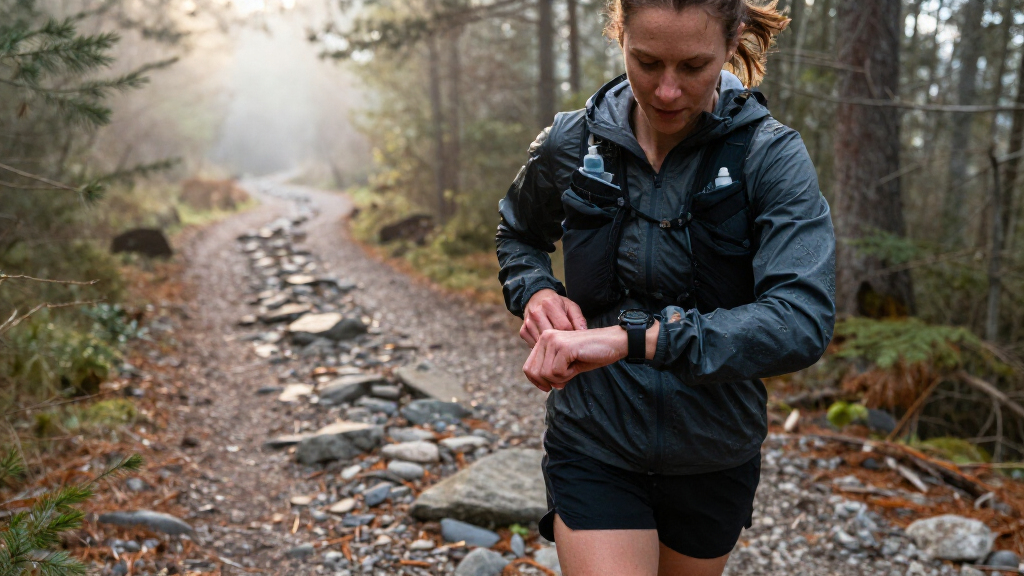
Garmin’s sports watch lineup spans everything from slim fitness bands to rugged GPS beasts, and the differences between models matter more than the price tags suggest. The Forerunner 265 stands out as the best overall pick for serious runners thanks to its AMOLED display, dual-band GPS, and full training-load analytics. If you want a lifestyle-first option, the Venu 4 delivers the richest smartwatch experience, while the Forerunner 165 is the smart value play for runners who want accurate GPS without flagship pricing. The main tradeoffs in this category are battery life versus display quality, ruggedness versus wrist comfort, and training depth versus smartwatch polish. Keep reading for the full breakdown of all 15 models and which one fits your wrist best.

Get sports gear delivered free — and shop member deals
- Fast, free delivery on millions of items
- Access to Prime Big Deal Days deals on October 6–7
- Prime Video, Amazon Music and more included
Complete the kit


Key Takeaways
- The Forerunner 265 earned the top spot because it is the only mid-tier model that combines an AMOLED display with dual-band GPS and advanced training metrics — the three features that separate Garmin‘s running watches from its general fitness line.
- This roundup revealed heavy duplication: three vívoactive 5 colorways and two Forerunner 165 variants appear as separate listings, which means color choice, not features, is the deciding factor for those models.
- The Instinct family split into three distinct tiers — Instinct E (budget), Instinct 3 Solar (battery-first), and Instinct 3 AMOLED (display-first) — making the choice within the family about screen and power, not ruggedness.
- The vívosmart 5 is the only band-style tracker here, and it sacrifices GPS entirely; it belongs in this comparison only for buyers who prioritize 24/7 health data over workout tracking.
- Garmin‘s cheapest running watch, the Forerunner 55, still delivers the core training features (GPS accuracy, race predictions, training status) that beginners actually need, making it a better entry point than the more expensive vívoactive series for runners.
| Garmin Venu 3S Premium Fitness Smartwatch, 41mm, French Gray |  | Best Compact Smartwatch | Case size: 41mm | Color: French Gray | Display: Bright, colorful AMOLED | VIEW LATEST PRICE | See Our Full Breakdown |
| Garmin Forerunner 265 Running Smartwatch, 46 mm, Black/Powder Gray |  | Best for Serious Runners | Case size: 46 mm | Color: Black/Powder Gray | Display: AMOLED touchscreen | VIEW LATEST PRICE | See Our Full Breakdown |
| Garmin vívoactive 6 Health & Fitness GPS Smartwatch, 42mm, Slate |  | Best for Activity Variety | Case size: 42mm | Color: Slate | Display: AMOLED | VIEW LATEST PRICE | See Our Full Breakdown |
| Garmin Forerunner 165 GPS Running Smartwatch, 43 mm, Black |  | Best for New Runners | Case size: 43 mm | Color: Black | Display: AMOLED touchscreen with button controls | VIEW LATEST PRICE | See Our Full Breakdown |
| Garmin vívoactive 5 GPS Smartwatch, 42 mm, Orchid |  | Best Value Fitness Pick | Case size: 42 mm | Color: Orchid | Display: AMOLED | VIEW LATEST PRICE | See Our Full Breakdown |
| Garmin Venu 4 Advanced Fitness Smartwatch, 45mm, Black Silicone |  | Best Smartwatch Feel | Case Size: 45 x 45 x 12.5 mm | Display: Bright, colorful AMOLED | Case Material: Stainless steel | VIEW LATEST PRICE | See Our Full Breakdown |
| Garmin Instinct 3 Solar Rugged GPS Smartwatch, 45 mm, Black |  | Best Rugged Value | Case Size: 45 mm, fiber-reinforced polymer | Display: 0.9 inch | Charging: Solar | VIEW LATEST PRICE | See Our Full Breakdown |
| Garmin Instinct E Rugged GPS Smartwatch, 45mm, Charcoal |  | Best Budget Rugged Pick | Case Size: 45 mm | Battery Life: Up to 16 days | Durability Standard: MIL-STD-810 (thermal and shock resistance) | VIEW LATEST PRICE | See Our Full Breakdown |
| Garmin Instinct 3 Solar Rugged GPS Smartwatch, 50mm, Charcoal |  | Best for Endurance Adventures | Case Size: 50 mm, fiber-reinforced polymer with metal-reinforced bezel | Display: 1.1 inches | Battery Life: Unlimited in smartwatch mode with solar (3 hrs/day outdoors, 50,000 lux) | VIEW LATEST PRICE | See Our Full Breakdown |
| Garmin vívoactive 5 Health and Fitness GPS Smartwatch, 42 mm, Ivory |  | Best for Casual Fitness Tracking | Case Size: 42 mm | Display: AMOLED | Battery Life: Up to 11 days (5 days with always-on display) | VIEW LATEST PRICE | See Our Full Breakdown |
| Garmin vívosmart 5 Health & Fitness Tracker (Small, White) |  | Best Slim Everyday Tracker | Model: vívosmart 5 | Size: Small | Display: Touchscreen with button interface | VIEW LATEST PRICE | See Our Full Breakdown |
| Garmin Instinct 3 AMOLED Rugged GPS Smartwatch, 45mm, Black |  | Best Rugged Pick | Case Size: 45mm | Display: 1.2″ AMOLED | Battery Life: Up to 18 days (smartwatch mode) | VIEW LATEST PRICE | See Our Full Breakdown |
| Garmin vívoactive 5 Health & Fitness GPS Smartwatch, 42mm, Black |  | Best All-Rounder Value | Case Size: 42mm | Display: AMOLED | Battery Life: Up to 11 days (smartwatch mode) | VIEW LATEST PRICE | See Our Full Breakdown |
| Garmin Forerunner 165 Running Smartwatch, 43 mm, Whitestone |  | Best for Runners | Case Size: 43mm | Display: AMOLED touchscreen with buttons | Battery Life: Up to 11 days (smartwatch mode); 19 hours (GPS mode) | VIEW LATEST PRICE | See Our Full Breakdown |
| Garmin Forerunner 55 GPS Running Watch, Aqua |  | Best Budget Running Watch | Color: Aqua | Battery Life: Up to 2 weeks (smartwatch mode); 20 hours (GPS mode) | GPS: Built-in | VIEW LATEST PRICE | See Our Full Breakdown |
| garmin sports watch | Case size | Display | Battery life | GPS |
|---|---|---|---|---|
| Garmin Venu 3S Premium Fitness | 41mm | Bright, colorful AMOLED | Up to 10 days in smartwatch mode | Built-in |
| Garmin Forerunner 265 Running | 46 mm | AMOLED touchscreen | — | — |
| Garmin vívoactive 6 Health & F | 42mm | AMOLED | Up to 11 days in smartwatch mode | — |
| Garmin Forerunner 165 GPS Runn | 43 mm | AMOLED touchscreen with button controls | — | — |
| Garmin vívoactive 5 GPS Smartw | 42 mm | AMOLED | Up to 11 days in smartwatch mode | Yes |
| Garmin Venu 4 Advanced Fitness | 45 x 45 x 12.5 mm | Bright, colorful AMOLED | Up to 12 days | Yes |
| Garmin Instinct 3 Solar Rugged | 45 mm, fiber-reinforced polymer | 0.9 inch | — | — |
| Garmin Instinct E Rugged GPS S | 45 mm | — | Up to 16 days | — |
| Garmin Instinct 3 Solar Rugged | 50 mm, fiber-reinforced polymer with metal-reinforced bezel | 1.1 inches | Unlimited in smartwatch mode with solar (3 hrs/day outdoors, 50,000 lux) | Multi-band GPS with SatIQ |
| Garmin vívoactive 5 Health and | 42 mm | AMOLED | Up to 11 days (5 days with always-on display) | — |
| Garmin vívosmart 5 Health & Fi | — | Touchscreen with button interface | Up to 7 days (smartwatch mode) | Connected GPS via smartphone |
| Garmin Instinct 3 AMOLED Rugge | 45mm | 1.2" AMOLED | Up to 18 days (smartwatch mode) | — |
| Garmin vívoactive 5 Health & F | 42mm | AMOLED | Up to 11 days (smartwatch mode) | Built-in |
| Garmin Forerunner 165 Running | 43mm | AMOLED touchscreen with buttons | Up to 11 days (smartwatch mode); 19 hours (GPS mode) | Built-in |
| Garmin Forerunner 55 GPS Runni | — | — | Up to 2 weeks (smartwatch mode); 20 hours (GPS mode) | Built-in |
More Details on Our Top Picks
Garmin Venu 3S Premium Fitness Smartwatch, 41mm, French Gray
The Venu 3S is the strongest fit here for someone who wants a smaller case without giving up a bright AMOLED screen, broad health tracking, or everyday smartwatch features. Its 41mm size is more compact than the Forerunner 265, while wrist calls, music storage, and Garmin Pay make it more convenient for daily wear than a running-first pick. You also get 30+ sports apps and wheelchair mode, though the vívoactive 6 offers a much wider range of 80+ activities. The tradeoff is that its health metrics are estimates, music streaming needs a subscription, and iPhone text replies are limited to voice. Choose it for a balanced, compact watch; runners focused on training tools should compare the Forerunner instead.
Pros:- Compact 41mm case with a bright AMOLED display
- Up to 10 days of battery life in smartwatch mode
- Health tracking includes Body Battery, sleep coaching, HRV, and stress
- Built-in calls, music storage, Garmin Pay, and wheelchair mode
Cons:- Music streaming services require a premium subscription
- Health measurements are estimates, not medical-grade readings
- Text replies are limited for iPhone users
Best for: People who want a compact Garmin for everyday health tracking, varied workouts, and wrist-based calls
Not ideal for: Dedicated runners who want the Forerunner 265’s race planning and multi-band GNSS, or iPhone users who want to type replies on the watch
- Case size:41mm
- Color:French Gray
- Display:Bright, colorful AMOLED
- Battery life:Up to 10 days in smartwatch mode
- GPS:Built-in
- Sports apps:30+ built-in
- Calling:Built-in speaker and microphone
- Compatibility:iPhone and Android smartphones
Our verdict“Choose the Venu 3S for a compact Garmin that balances health tools and daily smartwatch features with support for varied activities.”
Garmin Forerunner 265 Running Smartwatch, 46 mm, Black/Powder Gray
For runners who want training guidance to shape their next session, the Forerunner 265 earns its place with training readiness, race planning, and multi-band GNSS. That positioning focus helps with pace and route tracking, while SatIQ adjusts satellite use to balance accuracy and battery demands. Its 46mm case is larger than the Forerunner 165, and the 265 adds more training depth for runners who plan around races. The 165 is the more straightforward choice if personalized plans and core running metrics are enough. The 265’s AMOLED touchscreen works alongside physical buttons, which gives runners another way to control it during activity. Battery life reaches up to 13 days in smartwatch mode but falls to 20 hours in GPS mode; safety features also depend on a compatible phone and network coverage.
Pros:- Training readiness and race planning support structured preparation
- Multi-band GNSS with SatIQ technology
- AMOLED touchscreen paired with traditional button controls
- More than 30 activity profiles
Cons:- GPS battery life is up to 20 hours, much shorter than smartwatch mode
- Safety features need a compatible smartphone and network coverage
- The 46mm case may feel large to buyers who prefer compact watches
Best for: Runners who follow structured training, plan races, and want multi-band positioning
Not ideal for: Casual runners who prefer a simpler watch or people seeking long GPS sessions without frequent charging
- Case size:46 mm
- Color:Black/Powder Gray
- Display:AMOLED touchscreen
- Battery life, smartwatch mode:Up to 13 days
- Battery life, GPS mode:Up to 20 hours
- Activity profiles:30+
- Positioning:Multi-band GNSS with SatIQ technology
- Smartphone compatibility:Android and Apple smartphones
Our verdict“Pick the Forerunner 265 if race preparation and richer running guidance matter more than a smaller case or longer GPS runtime.”
Garmin vívoactive 6 Health & Fitness GPS Smartwatch, 42mm, Slate
The vívoactive 6 makes the most sense for people who move between many kinds of workouts and want health and recovery context alongside them. Its 80+ built-in indoor and GPS sports apps give it a broader activity menu than the Venu 3S, which lists 30+ apps, and Garmin Coach plans add a route into adaptive training. Sleep coaching, HRV status, Body Battery, and automatic nap detection help connect daily recovery to exercise choices. The 42mm AMOLED watch also lasts up to 11 days in smartwatch mode. Those health readings remain estimates, and setup for advanced features may take time in Garmin Connect. Choose it for range and tracking depth; runners seeking the Forerunner 265’s multi-band GNSS and race planning should look there instead.
Pros:- 80+ built-in indoor and GPS sports apps
- Up to 11 days of battery life in smartwatch mode
- Health tools include sleep coaching, HRV, Body Battery, and nap detection
- Animated workouts and Garmin Coach adaptive plans
Cons:- Health metrics are estimates rather than precise measurements
- Advanced features can require setup in the Garmin Connect app
Best for: Fitness-minded users who rotate among different indoor and outdoor activities and want sleep and recovery tracking
Not ideal for: Race-focused runners who want multi-band GNSS and dedicated race planning, or buyers who want to avoid app setup
- Case size:42mm
- Color:Slate
- Display:AMOLED
- Battery life:Up to 11 days in smartwatch mode
- Sports apps:80+ built-in indoor and GPS apps
- Health features:Body Battery, sleep score and coaching, HRV status, heart rate, stress, menstrual cycle and pregnancy tracking
- Smart wake alarm:Yes
- Automatic nap detection:Yes
Our verdict“Choose the vívoactive 6 for broad activity support and everyday recovery insights, rather than race-specific running tools.”
Garmin Forerunner 165 GPS Running Smartwatch, 43 mm, Black
The Forerunner 165 is a clear entry point for runners who want GPS, adaptive training plans, and recovery insights without the extra race-planning focus of the Forerunner 265. Its 43mm AMOLED screen and physical button controls suit both everyday checks and workouts, while wrist-based heart rate and more than 25 activity profiles cover common training needs. Personalized plans can help a newer runner build a routine instead of guessing at each session. Battery life reaches up to 11 days in smartwatch mode and 19 hours with GPS, so long tracking sessions draw much more power. It also includes Garmin Pay, though availability depends on country and payment network. Buyers who want multi-band GNSS and race planning should step up to the 265; this model keeps the running toolkit simpler.
Pros:- Built-in GPS tracks pace and distance
- Personalized and adaptive training plans
- Up to 11 days of battery life in smartwatch mode
- Health, sleep, and recovery insights plus Garmin Pay
Cons:- GPS battery life is up to 19 hours
- Some safety features need a compatible smartphone and network coverage
- Garmin Pay depends on supported countries and payment networks
Best for: New and recreational runners who want guided plans, GPS pace tracking, and basic recovery context
Not ideal for: Racers who want the Forerunner 265’s multi-band GNSS and race planning, or runners needing GPS operation beyond its stated 19-hour battery life
- Case size:43 mm
- Color:Black
- Display:AMOLED touchscreen with button controls
- Battery life, smartwatch mode:Up to 11 days
- Battery life, GPS mode:Up to 19 hours
- Activity profiles:More than 25
- Heart rate tracking:Wrist-based
- Payments:Garmin Pay
Our verdict“Choose the Forerunner 165 for guided everyday running and GPS tracking without the advanced race features of the Forerunner 265.”
Garmin vívoactive 5 GPS Smartwatch, 42 mm, Orchid
The vívoactive 5 covers the core fitness smartwatch needs with an AMOLED display, GPS, health and sleep tracking, and phone-free music playback. Its 30+ sports apps and up to 11 days of smartwatch battery life suit regular activity without making training plans the whole point of the watch. Compared with the newer vívoactive 6, it lists fewer sports apps and lacks the 6’s stated animated workouts and Garmin Coach adaptive plans, making this a better fit for buyers who want broad everyday tracking over added coaching. Music downloads from Spotify, Amazon Music, and Deezer let compatible wireless headphones play without a phone nearby. Health metrics are estimates, and headphones are required for that untethered listening. It is a simpler fitness companion than the Venu 3S, which adds wrist calling.
Pros:- Up to 11 days of battery life in smartwatch mode
- AMOLED display with built-in GPS
- More than 30 indoor and GPS sports activities
- Supports downloaded music for phone-free listening
Cons:- Health metrics are estimates rather than exact measurements
- Phone-free music requires compatible wireless headphones
Best for: Everyday exercisers who want GPS, health tracking, and offline music with compatible headphones
Not ideal for: Buyers who want wrist-based calling, a larger library of guided activities, or adaptive coaching features
- Case size:42 mm
- Color:Orchid
- Display:AMOLED
- Battery life:Up to 11 days in smartwatch mode
- Sports apps:More than 30 indoor and GPS activities
- Health features:Wrist-based heart rate, stress tracking, sleep score, HRV, menstrual cycle and pregnancy tracking
- Music:Downloads from Spotify, Amazon Music, and Deezer
- GPS:Yes
Our verdict“Choose the vívoactive 5 for everyday fitness and offline music when you do not need the vívoactive 6’s broader activity and coaching features.”
Garmin Venu 4 Advanced Fitness Smartwatch, 45mm, Black Silicone
This option stands out for buyers who want a Garmin that behaves like a polished smartwatch rather than a training tool. The colorful AMOLED display and stainless steel case give it a dressier presence than the Instinct 3 Solar, which prioritizes toughness over screen quality. Compared with the vívoactive 5, the Venu 4 adds a built-in flashlight, wrist calling, and a health status feature that flags changes in your metrics — useful if you treat wellness tracking as your main goal. With 80+ sports apps and Garmin Coach plans, it covers casual training well. The tradeoff is that it lacks the Instinct line’s MIL-STD-810 durability and solar charging, so it makes the most sense for gym-goers and everyday wearers rather than backcountry users.
Pros:- Bright AMOLED display with premium stainless steel case
- Up to 12 days of battery life despite the power-hungry screen
- Health status feature flags changes across your metrics over time
- Built-in flashlight and smartphone calling from the wrist
Cons:- Health metrics are estimates only, not medical-grade data
- No solar charging, so heavy GPS use drains battery much faster than rated
- Pulse Ox feature not available in all countries
Best for: Everyday fitness enthusiasts who want smartwatch features like wrist calling and a premium display alongside deep health tracking
Not ideal for: Hikers and outdoor adventurers who need MIL-STD-810 ruggedness and solar charging — the Instinct line fits that brief better
- Case Size:45 x 45 x 12.5 mm
- Display:Bright, colorful AMOLED
- Case Material:Stainless steel
- Battery Life:Up to 12 days
- Sports Apps:80+ built-in
- GPS:Yes
- Calling:Yes, when paired with smartphone
- Flashlight:Built-in
Our verdict“Choose the Venu 4 if you want Garmin health tracking wrapped in a true smartwatch experience, and skip it if your watch needs to survive the outdoors.”
Garmin Instinct 3 Solar Rugged GPS Smartwatch, 45 mm, Black
This model is better suited to buyers who want solar-assisted endurance without the wrist presence of a big 50mm watch. Compared with the Instinct 3 Solar 50mm, the 45mm case wears noticeably lighter and smaller while keeping the same core feature set: solar lens, metal-reinforced bezel, multi-band GPS with SatIQ, and the built-in LED flashlight. Against the Instinct E, it adds solar charging, Garmin Pay, and incident detection — worth the upgrade if you spend real time outside. The catch is honest: the “unlimited” battery claim assumes 3 hours of daily outdoor exposure in bright conditions, and desk-bound wearers will see conventional battery numbers instead.
Pros:- Solar charging can deliver unlimited smartwatch-mode battery with sufficient outdoor exposure
- 10 ATM water resistance plus thermal and shock resistance
- Multi-band GPS with SatIQ for reliable positioning under cover
- Built-in LED flashlight and safety features like incident detection
Cons:- Unlimited battery requires all-day wear plus 3 hours daily outdoors in 50,000 lux conditions
- 0.9-inch display is low-resolution compared with AMOLED models like the Venu 4
- Garmin Pay and notifications require a compatible smartphone and supported bank
Best for: Day hikers and trail runners with smaller wrists who want near-endless battery and serious durability in a midsize case
Not ideal for: Office-based users who rarely get outdoors — the solar advantage evaporates and the low-res 0.9-inch display loses its appeal indoors
- Case Size:45 mm, fiber-reinforced polymer
- Display:0.9 inch
- Charging:Solar
- Navigation:Multi-band GPS with SatIQ, 3-axis compass, barometric altimeter
- Durability:10 ATM water resistance, metal-reinforced bezel
- Flashlight:Built-in LED
- Health Features:Wrist-based heart rate, advanced sleep monitoring, Pulse Ox
Our verdict“The sweet spot of the Instinct lineup for outdoor-minded buyers who find the 50mm version too bulky.”
Garmin Instinct E Rugged GPS Smartwatch, 45mm, Charcoal
This pick makes the most sense for buyers who want the Instinct’s tank-like build at the lowest entry point in the rugged lineup. You still get MIL-STD-810 durability, 10 ATM water resistance, and an honest 16 days of battery — no solar fine print like the Instinct 3 Solar 45mm, just a conventional battery you charge every couple of weeks. Compared with the Solar model, you give up solar charging, Garmin Pay, and multi-band GPS, settling for standard multi-GNSS. Navigation still works, but positioning is less precise in dense terrain. For campers, anglers, and worksite wearers who mainly need a watch that survives abuse and tracks the basics, those omissions are easy to accept.
Pros:- Up to 16 days of battery life with no solar-exposure conditions attached
- MIL-STD-810 thermal and shock resistance with 10 ATM water rating
- Multi-GNSS navigation with compass and barometric altimeter
- Full health monitoring including sleep tracking and Pulse Ox
Cons:- No multi-band GPS or SatIQ, so accuracy suffers in canyons and dense forest
- No solar charging option to extend battery on multi-day trips
- Smart features require pairing with a compatible smartphone
Best for: Budget-conscious outdoor workers and weekend campers who want rugged durability and long battery without paying for premium navigation features
Not ideal for: Trail runners and backcountry navigators who need multi-band GPS accuracy and contactless payments — step up to the Instinct 3 Solar
- Case Size:45 mm
- Battery Life:Up to 16 days
- Durability Standard:MIL-STD-810 (thermal and shock resistance)
- Navigation:Multi-GNSS, 3-axis compass, barometric altimeter
- Health Monitoring:Wrist-based heart rate, advanced sleep monitoring, Pulse Ox
- Connectivity:Smart notifications, Connect IQ Store (with compatible smartphone)
Our verdict“The most sensible way into Garmin’s rugged line if you need durability first and can live without premium GPS and payments.”
Garmin Instinct 3 Solar Rugged GPS Smartwatch, 50mm, Charcoal
This is the watch for people whose weekends disappear into the backcountry. The 50mm case buys a larger 1.1-inch display and, more importantly, a bigger solar lens, which is what makes the unlimited smartwatch-mode battery claim plausible under the right conditions. Compared with the Instinct 3 Solar 45mm, this model suits larger wrists and anyone who reads maps and data fields frequently — the extra screen area genuinely matters on a low-res MIP display. The variable-intensity LED flashlight with strobe modes is a real trail convenience the Instinct E lacks entirely. The honest tradeoffs: it is a big, chunky watch that overwhelms smaller wrists, and the solar promise still demands 3 hours of daily sunlight.
Pros:- Unlimited smartwatch-mode battery with sufficient solar exposure
- Larger 1.1-inch display makes data fields easier to read than the 45mm version
- MIL-STD-810 durability with 10 ATM water resistance
- Multi-band GPS with SatIQ plus variable-intensity LED flashlight with strobe
Cons:- Solar charging requires around 3 hours of daily outdoor exposure at 50,000 lux
- Large 50mm case is uncomfortable on smaller wrists
- Health data is estimation only, and Pulse Ox is unavailable in some countries
Best for: Thru-hikers, hunters, and multi-day adventurers with larger wrists who need battery that outlasts the trip
Not ideal for: Small-wristed or style-focused buyers — at 50mm it is bulky for daily wear, and the vívoactive 5 covers casual fitness far more comfortably
- Case Size:50 mm, fiber-reinforced polymer with metal-reinforced bezel
- Display:1.1 inches
- Battery Life:Unlimited in smartwatch mode with solar (3 hrs/day outdoors, 50,000 lux)
- GPS:Multi-band GPS with SatIQ
- Durability Standard:MIL-STD-810, 10 ATM
- Flashlight:Built-in LED, variable intensities and strobe modes
- Payments:Garmin Pay contactless
- Health Features:Heart rate, advanced sleep monitoring, Pulse Ox
Our verdict“The definitive pick for long expeditions where charging isn’t an option, provided your wrist and lifestyle can handle its size.”
Garmin vívoactive 5 Health and Fitness GPS Smartwatch, 42 mm, Ivory
This option stands out as the friendliest entry point for people whose fitness lives mostly happen indoors or around the neighborhood. The 42mm case and AMOLED display make it lighter and prettier than anything in the Instinct line, and the sleep coaching, stress tracking, and HRV status go deeper than most casual trackers manage. Compared with the Venu 4, you lose the flashlight, wrist calling, and health status alerts, but you gain a smaller, more wearable package that suits slimmer wrists. The headline 11-day battery comes with an asterisk: enabling the always-on display cuts it to 5 days, which is the honest number for most AMOLED lovers. Offline music from Spotify and Deezer is a genuine plus at this tier.
Pros:- Colorful AMOLED display in a compact, comfortable 42mm case
- Deep wellness tracking including sleep coaching, HRV status, and cycle tracking
- Offline music from Spotify, Amazon Music, and Deezer for phone-free workouts
- Up to 11 days of battery in standard smartwatch mode
Cons:- Battery drops to about 5 days with the always-on display enabled
- Only 30+ sports apps, far fewer activity profiles than the Venu 4
- No rugged durability rating for harsh outdoor use
Best for: Casual exercisers and wellness-focused buyers with smaller wrists who want an attractive, easy-going tracker with music storage
Not ideal for: Serious athletes and outdoor adventurers — no rugged rating, no solar, and 30 sports apps is thin next to the Venu 4’s 80+
- Case Size:42 mm
- Display:AMOLED
- Battery Life:Up to 11 days (5 days with always-on display)
- Sports Apps:More than 30 indoor and GPS apps
- Health Features:Heart rate, sleep score and coaching, HRV status, stress, cycle tracking
- Music:Downloads from Spotify, Amazon Music, and Deezer
Our verdict“An approachable, good-looking choice for everyday wellness tracking, as long as ruggedness and advanced training tools aren’t on your list.”
Garmin vívosmart 5 Health & Fitness Tracker (Small, White)
This option stands out for buyers who want Garmin’s health ecosystem without a bulky watch on the wrist. The band-style design tracks sleep, stress, respiration, and Body Battery, and the brighter, larger display makes daily checks easier than on the previous generation. Compared with the vívoactive 5, it trades away built-in GPS and on-screen workout variety in exchange for a lighter, more discreet profile. The tradeoff is real: outdoor runs rely on your phone’s GPS, so the vívosmart 5 makes the most sense for walkers, gym-goers, and casual swimmers rather than trail runners. Setup also runs through the Garmin Connect app, which adds friction for anyone expecting a standalone device.
Pros:- Slim, lightweight band design comfortable for 24/7 wear
- Comprehensive health monitoring including Body Battery and sleep
- Up to 7 days of battery life
- Swim- and shower-safe with interchangeable bands
Cons:- No built-in GPS — depends on a paired smartphone outdoors
- Requires initial setup through the Garmin Connect app
Best for: Casual exercisers and all-day health trackers who want a slim band that covers sleep, stress, and pool swims
Not ideal for: Runners and cyclists who leave their phone at home — there’s no built-in GPS
- Model:vívosmart 5
- Size:Small
- Display:Touchscreen with button interface
- Battery Life:Up to 7 days (smartwatch mode)
- Water Resistance:Swim- and shower-safe (5 ATM)
- GPS:Connected GPS via smartphone
- Connectivity:Bluetooth
- Sports Apps:Walking, running, yoga, cardio, pool swim, and more
Our verdict“Choose this if you want everyday health tracking in a slim band and never track workouts without your phone.”
Garmin Instinct 3 AMOLED Rugged GPS Smartwatch, 45mm, Black
This model is better suited to buyers whose watch takes abuse — job sites, hiking, off-road trips. The MIL-STD-810 construction and 10 ATM rating put it in a tougher class than the Forerunner 165 or vívoactive 5, and the built-in LED flashlight with strobe modes is a genuine outdoor convenience no other watch in this lineup offers. Compared with the Instinct 3 Solar, the AMOLED version trades solar charging for a far richer display, which many will prefer for daily wear. Battery life of up to 18 days in smartwatch mode outlasts both the vívoactive 5 and Forerunner 165. The compromise is size and style: a fiber-reinforced 45mm case reads as utilitarian, and Garmin Pay depends on bank support.
Pros:- MIL-STD-810 durability with 10 ATM water resistance
- Up to 18 days of battery life in smartwatch mode
- Multi-band GPS with SatIQ for reliable positioning
- Built-in LED flashlight with variable intensities and strobe
Cons:- Bulky, utilitarian design less suited to office wear
- Garmin Pay requires a supported bank
- Health metrics are estimations only and Pulse Ox is unavailable in some countries
Best for: Hikers, outdoor workers, and adventurers who need shock resistance, serious navigation, and a flashlight on the wrist
Not ideal for: Buyers wanting a slim, dress-friendly everyday watch — the rugged 45mm case is chunky and utilitarian
- Case Size:45mm
- Display:1.2″ AMOLED
- Battery Life:Up to 18 days (smartwatch mode)
- Durability:MIL-STD-810, 10 ATM water rating
- Navigation:Multi-band GPS with SatIQ, 3-axis compass, barometric altimeter
- Flashlight:Built-in LED with strobe modes
- Payments:Garmin Pay
Our verdict“Pick this over lifestyle watches when durability and navigation matter more than sleek looks.”
Garmin vívoactive 5 Health & Fitness GPS Smartwatch, 42mm, Black
This pick makes the most sense for buyers who want one watch for everything without paying premium prices. Built-in GPS, offline music from Spotify, Amazon Music, and Deezer, and a bright AMOLED display put it well ahead of the vívosmart 5, which lacks GPS and music entirely. Compared with the Forerunner 165, it gives up some running-specific training depth in exchange for a broader toolkit: 30+ sports apps, wheelchair mode, sleep coaching, and HRV status. Battery life of up to 11 days keeps weekly charging realistic even with GPS workouts. The tradeoff is focus — serious runners will outgrow its training features faster than a Forerunner, and music playback only works with wireless headphones.
Pros:- Built-in GPS plus offline music storage from three streaming services
- Bright AMOLED display in a comfortable 42mm case
- Comprehensive health monitoring including HRV status and sleep coaching
- Inclusive wheelchair mode and 30+ sports apps
Cons:- Music playback requires wireless headphones
- Health metrics are estimations rather than clinical measurements
Best for: General fitness enthusiasts and casual athletes who want GPS, music, and deep health tracking in a single watch
Not ideal for: Competitive runners chasing advanced training metrics — the Forerunner line fits that job better
- Case Size:42mm
- Display:AMOLED
- Battery Life:Up to 11 days (smartwatch mode)
- GPS:Built-in
- Sports Apps:30+ built-in indoor and GPS apps
- Music Services:Spotify, Amazon Music, Deezer
Our verdict“The balanced choice if you want GPS and music alongside everyday health tracking without specializing in one sport.”
Garmin Forerunner 165 Running Smartwatch, 43 mm, Whitestone
Compared with the vívoactive 5, this option stands out for running-specific coaching: personalized training guidance, recovery insights, and pace-aware workouts that general fitness watches don’t match. The AMOLED touchscreen paired with buttons is a better combo than touch-only designs when you’re mid-run with sweaty fingers. Against the Forerunner 55, it offers a sharper display and richer recovery data, while matching the 11-day smartwatch battery life. With 25+ activity profiles, it stretches beyond running when needed, though cyclists and hikers would be better served by the Instinct 3’s navigation tools. The catch is that smart notifications, safety features, and Garmin Pay all depend on a compatible phone and network, so it’s not fully standalone.
Pros:- Personalized training and recovery guidance built for runners
- Built-in GPS with wrist-based heart rate
- AMOLED touchscreen plus physical buttons for mid-run control
- Up to 11 days of smartwatch battery life
Cons:- Safety and smart features require a compatible smartphone and network coverage
- Garmin Pay availability varies by country and payment network
Best for: Runners who want structured training plans and recovery guidance at a mid-range price
Not ideal for: Multisport adventurers who need breadcrumb navigation and rugged build — the Instinct 3 covers that better
- Case Size:43mm
- Display:AMOLED touchscreen with buttons
- Battery Life:Up to 11 days (smartwatch mode); 19 hours (GPS mode)
- GPS:Built-in
- Activity Profiles:25+
- Heart Rate:Wrist-based
- Payments:Garmin Pay
Our verdict“The clear pick if running is your primary sport and coaching features matter more than ruggedness or music.”
Garmin Forerunner 55 GPS Running Watch, Aqua
This model is better suited to first-time runners who need accurate GPS tracking without paying for features they won’t use yet. Adaptive suggested workouts, pace guidance, and race predictions deliver real training value, and the two-week battery life actually beats the Forerunner 165 in smartwatch mode. The tradeoff is the display and interface: where the 165 offers a vibrant AMOLED touchscreen, the Forerunner 55 relies on a simpler button-driven screen that feels dated next to the vívoactive 5. Still, for the money it covers the fundamentals — distance, pace, route, heart rate — across profiles from pool swims to HIIT. Note that PacePro doesn’t work with on-device courses, which limits advanced race-day planning.
Pros:- Up to 2 weeks of battery life in smartwatch mode
- Built-in GPS tracks distance, pace, and routes
- Adaptive suggested workouts based on fitness and recovery
- Multiple activity profiles including pool swim and HIIT
Cons:- Basic, non-AMOLED display with button-only control
- PacePro is not compatible with on-device courses
Best for: New runners and budget-conscious buyers who want reliable GPS training basics with long battery life
Not ideal for: Runners wanting a modern display and rich recovery analytics — step up to the Forerunner 165 instead
- Color:Aqua
- Battery Life:Up to 2 weeks (smartwatch mode); 20 hours (GPS mode)
- GPS:Built-in
- Heart Rate:Wrist-based
- Activity Profiles:Running, cycling, track run, virtual run, pool swim, Pilates, HIIT, breathwork, and more
Our verdict“The entry point for GPS running — buy it for the essentials, skip it if you want a premium screen and deeper metrics.”
How We Picked
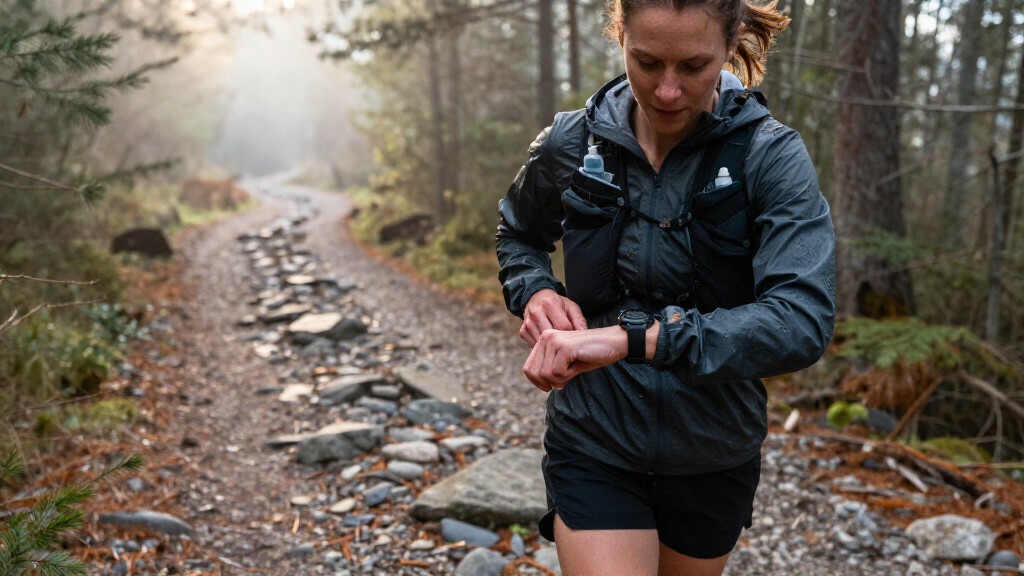
I evaluated these 15 Garmin sports watches against the factors that actually shape ownership: GPS and sensor accuracy, battery life under real training loads, display readability in sunlight and darkness, wrist comfort for all-day wear, software depth for structured training, and value relative to siblings in the same lineup. Because Garmin sells so many overlapping models, I paid close attention to differentiation — whether each watch offers a genuine reason to exist next to its neighbors, or whether it is simply a color variant of the same hardware.
The ranking favors watches that solve a specific buyer problem well over those that try to do everything. Running models were judged on training analytics and satellite accuracy; lifestyle models on health tracking and smart features; and rugged models on durability and off-grid battery performance. Where two models are functionally identical, I noted that directly so buyers don’t pay for the same watch twice under a different name.
| garmin sports watch | GPS |
|---|---|
| Garmin Venu 3S Premium Fitness | Built-in |
| Garmin Forerunner 265 Running | — |
| Garmin vívoactive 6 Health & F | — |
| Garmin Forerunner 165 GPS Runn | — |
| Garmin vívoactive 5 GPS Smartw | Yes |
| Garmin Venu 4 Advanced Fitness | Yes |
| Garmin Instinct 3 Solar Rugged | — |
| Garmin Instinct E Rugged GPS S | — |
| Garmin Instinct 3 Solar Rugged | Multi-band GPS with SatIQ |
| Garmin vívoactive 5 Health and | — |
| Garmin vívosmart 5 Health & Fi | Connected GPS via smartphone |
| Garmin Instinct 3 AMOLED Rugge | — |
| Garmin vívoactive 5 Health & F | Built-in |
| Garmin Forerunner 165 Running | Built-in |
| Garmin Forerunner 55 GPS Runni | Built-in |
Factors to Consider When Choosing Garmin Sports Watches
Garmin’s lineup looks confusing because the company sells overlapping families with different priorities. Before comparing specs, it helps to understand what each family is built for and where the common buying mistakes happen — because paying more often buys features you will never open.
Know the Family You Actually Need
Garmin’s sports watches fall into four distinct camps, and picking the wrong camp is the most common mistake buyers make. Forerunner models are running-first: they carry training-load analytics, race predictors, and recovery guidance that the vívoactive line simply doesn’t have. Venu and vívoactive watches are lifestyle-first, with better smartwatch features and AMOLED-style displays in the Venu’s case, but shallower training tools. Instinct models trade display polish for ruggedness and extreme battery life, making them the natural fit for hiking, hunting, and outdoor work. Finally, the vívosmart 5 is a band, not a watch — it has no GPS at all. A runner who buys a vívoactive 5 will outgrow it within a season; a casual gym-goer who buys a Forerunner 265 is paying for analytics they may never use.
Display Type Shapes Your Daily Experience
The screen is the single biggest driver of both price and battery drain in Garmin’s lineup, and it deserves more attention than most buyers give it. MIP (memory-in-pixel) displays, found on the Instinct family and Forerunner 55, are always-on, extremely frugal on power, and readable in direct sun — but they look dated and dim indoors. AMOLED displays, like those on the Forerunner 265, Forerunner 165, and Instinct 3 AMOLED, are gorgeous and brilliant at night, but they cut battery life dramatically when always-on. Garmin partially compensates with a dimmed gesture-wake mode, which recovers much of the endurance. My advice: choose AMOLED if you wear the watch all day as a smartwatch, and choose MIP or a solar display if your priority is multi-day adventures without a charger.
Dual-Band GPS Is Worth More Than You Think
Garmin’s cheaper watches use single-band GPS, while the mid and upper tiers add multi-band, multi-satellite positioning. The practical difference shows up in cities, forests, and canyons: single-band watches can drift or cut corners on route traces, which quietly corrupts your pace and distance data — and everything derived from it, including training load and race predictions. If you run in an urban environment with tall buildings, this one spec justifies stepping up from a Forerunner 55 or 165 to a Forerunner 265. If you mostly train on open roads or a treadmill, single-band accuracy is entirely adequate, and spending the difference elsewhere makes more sense.
Battery Life Claims Need Real-World Discounting
Garmin’s battery figures are honest but optimistic — they assume GPS-only mode with the display dimmed and no music or pulse oximeter running. In practice, expect roughly half to two-thirds of the advertised runtime with a bright screen and normal sensor use. This matters differently by buyer type: a marathoner doing weekend long runs needs far less battery than an ultra runner or thru-hiker. The Instinct 3 Solar models exist precisely for the second group, where solar charging can extend multi-week endurance in good light. For everyone else, any watch in this lineup comfortably covers a week of daily training — battery anxiety is mostly a feature question, not a need.
Case Size and Weight Affect Sleep and Comfort
These watches range from a 41mm Venu 3S to a 50mm Instinct 3 Solar, and that spread matters more than the numbers suggest. Larger cases carry bigger batteries but can dig into your wrist during sleep tracking or feel bulky during high-cadence running. Smaller cases fit slender wrists better and track sleep more comfortably, but pair with shorter battery life and smaller, harder-to-read maps and data screens. If you plan to wear the watch 24/7 for sleep and recovery scores — one of Garmin’s strongest features — weight and case profile should influence your choice as much as features. A reasonable rule: under 50g for comfortable all-day and overnight wear, and nothing larger than 45mm if your wrist is slim.
Watch Out for Duplicate Listings and Feature Parity
Garmin’s catalog contains many functionally identical products in different colors or case finishes, and retail listings frequently make them look like separate models. In this comparison alone, the vívoactive 5 appears in three colorways and the Forerunner 165 in two — the hardware and software are identical, so the only decision is aesthetics and band color. The same logic applies across generations: the vívoactive 6 offers incremental upgrades over the vívoactive 5, so buyers should compare the actual delta (display, new sport profiles, Connect+ features) rather than assuming newer means meaningfully better. Buying the outgoing colorway of an identical watch is one of the easiest ways to save money in this category.
Frequently Asked Questions
Is the Forerunner 165 worth it over the Forerunner 55, or should I jump straight to the 265?
The Forerunner 165 occupies the sweet spot for most runners because it adds a color AMOLED touchscreen and wrist-based running dynamics that the Forerunner 55 lacks, while keeping training guidance nearly identical. The jump to the Forerunner 265 mainly buys dual-band GPS, longer battery life, and a barometric altimeter — features that matter if you race, run trails, or train in a city with signal interference. If you run three or four times a week on familiar routes, the 165 covers everything you need and the 55 remains a capable budget fallback. Choose the 265 only if GPS trace accuracy and multi-day battery genuinely affect your training.
What’s the real difference between the vívoactive 5, vívoactive 6, and Venu 4?
The vívoactive 5 and 6 are Garmin’s mainstream fitness watches, while the Venu 4 sits a tier above with a brighter, higher-quality display and more premium build. The vívoactive 6 improves on the 5 with a sharper AMOLED screen, a few additional sport modes, and access to Garmin’s Connect+ coaching features — modest upgrades that matter most if you keep the watch for years. The Venu 4 also adds an ECG-capable heart sensor and better microphone/speaker quality for calls, which pushes it toward true smartwatch territory. If budget leads the decision, the vívoactive 5 in any colorway delivers roughly 90% of the experience; if you want one watch to serve as both fitness tracker and daily smartwatch, the Venu 4 is the more future-proof pick.
Should I buy the Instinct 3 Solar or the Instinct 3 AMOLED?
Both watches share the same rugged case and navigation feature set, so the decision comes down to what you value on the wrist. The Solar version uses a transflective display with solar charging that can stretch battery life to weeks or even months with good sun exposure — the right choice for backpacking, hunting, and multi-day trips away from power. The AMOLED version trades that endurance for a dramatically better-looking screen that behaves like a modern smartwatch, at the cost of charging every few days. If your adventures rarely last longer than a weekend, the AMOLED model is the better daily wearable. If off-grid time is the whole point, solar wins easily.
Can the vívosmart 5 replace a GPS sports watch?
Not really, and knowing why saves you a disappointing purchase. The vívosmart 5 is a slim band with no built-in GPS — it borrows your phone’s location for outdoor walks and runs, which means less accurate traces and a phone that must come along. What it does exceptionally well is 24/7 health monitoring: sleep staging, heart rate variability, stress, and body battery, all in a package light enough to forget you’re wearing. It makes sense as a step-count-and-recovery device or a first Garmin for someone intimidated by big watches. Once you want pace, distance, and route tracking without a phone, any GPS watch in this lineup is the better tool.
Do I need to pay extra for Garmin’s training features, or are they included?
The core Garmin experience — GPS tracking, heart rate zones, training status, sleep, and recovery scores — is included with every watch in this roundup and requires no subscription. Garmin’s newer Connect+ service adds AI-powered insights and more adaptive coaching on recent models like the vívoactive 6 and Venu 4, and third-party platforms can add their own costs for structured plans. The deeper training analytics that runners care about, such as training load focus and race predictions, are built into the Forerunner line at no extra charge. My advice: buy the watch whose built-in feature set matches your goals, and treat any subscription as an optional layer rather than a deciding factor.
Conclusion
After comparing all 15 watches, the right pick depends less on specs and more on how you train. For best overall, the Forerunner 265 is the most complete package — accurate dual-band GPS, a beautiful AMOLED display, and training tools that grow with your ambition. The Forerunner 165 takes best value by delivering that same runner-friendly software for meaningfully less, and the Forerunner 55 remains the smartest beginner choice for new runners who want reliable GPS and guided training without feature overload.
For lifestyle buyers, the Venu 4 is the best premium pick with its flagship display and health sensors, while any colorway of the vívoactive 5 or 6 covers the best value fitness slot. For specific needs: the Instinct 3 Solar 50mm is unbeatable for off-grid adventures, the Instinct 3 AMOLED is the rugged pick for everyday wear, the Venu 3S suits smaller wrists that still want premium features, and the vívosmart 5 serves buyers who want health tracking in a band format. Whatever you choose, match the watch to your actual routine — Garmin’s lineup rewards buyers who know their training style, not those who buy the biggest spec sheet.
NFL season / tailgating Picks
team gear
As an affiliate, we earn on qualifying purchases.