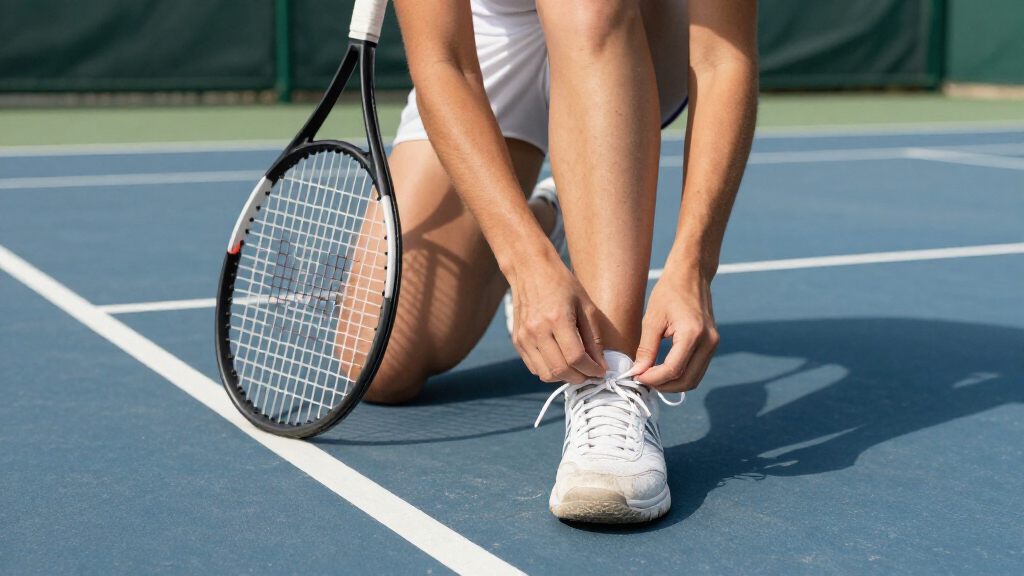

Choosing the best tennis shoes means balancing lateral support, cushioning, durability, and fit—not simply picking the shoe with the longest feature list. I put the ASICS GEL-RESOLUTION X first for baseline players who want a locked-in feel and strong support during side-to-side movement. The ASICS Court FF 3 is my premium-oriented pick for quick cuts and cushioned impact protection, while the adidas Gamecourt 2.0 stands out as a simpler, lighter option for recreational court time.

Get sports gear delivered free — and shop member deals
- Fast, free delivery on millions of items
- Access to Prime Big Deal Days deals on October 6–7
- Prime Video, Amazon Music and more included
The tradeoff is clear across this group: the most supportive ASICS models bring more structured construction and may feel like too much shoe to players who prefer a light, flexible ride. The adidas keeps things comparatively straightforward, but does not offer the same list of specialized stability features. Fit also deserves attention: both GEL-RESOLUTION X and GEL-CHALLENGER 15 are reported to run large, so sizing may matter more than the technology names.
Complete the kit


Key Takeaways
For baseline stability: The ASICS GEL-RESOLUTION X is my lead pick for players who want a supportive, locked-in fit for lateral movement and landings; the listing says it runs large.
For quick cuts with substantial cushioning: The ASICS Court FF 3 pairs FLYTEFOAM, forefoot GEL, TWISTRUSS, and MONO-SOCK construction, but its cushioning may feel too soft or high for players who prefer a firm court feel.
For a lighter, straightforward recreational option: The adidas Gamecourt 2.0 uses an open mesh upper and EVA midsole rather than the more elaborate stability systems found on the ASICS picks.
For comfort details and heel durability: The ASICS GEL-CHALLENGER 15 combines rearfoot GEL, an OrthoLite sockliner, and AHARPLUS heel rubber, with a large-running fit noted in its listing.
Fit is a lineup-wide decision point: The GEL-RESOLUTION X is listed as running large with a half-size-down recommendation, and the GEL-CHALLENGER 15 is also reported to run large. I would check the fit guidance before choosing either.
| ASICS Men’s GEL-RESOLUTION X Tennis Shoes |  | Best Overall for Baseline Stability | Fit: Runs large; listing recommends sizing down half a size | Stability: DYNAWALL | Lacing: DYNALACING | VIEW LATEST PRICE | See Our Full Breakdown |
| ASICS Men’s Court FlyteFoam 3 Tennis Shoes |  | Best for Quick Cuts and Plush Cushioning | Model: Court FF 3 | Style number: 1041A370.100 | Color: White/Black | VIEW LATEST PRICE | See Our Full Breakdown |
| ASICS Men’s GEL-CHALLENGER 15 Tennis Shoes |  | Best for Cushioned Heel Comfort | Upper: Polyester | Fit: Runs large | Stability: WINGWALL | VIEW LATEST PRICE | See Our Full Breakdown |
| adidas Men’s Gamecourt 2.0 Tennis Shoes – Black |  | Best Straightforward Pick for Recreational Play | Upper: Open mesh | Midsole: EVA | Outsole: Adiwear rubber | VIEW LATEST PRICE | See Our Full Breakdown |
| tennis shoe | Cushioning | Upper | Outsole | Fit |
|---|---|---|---|---|
| ASICS Men’s GEL-RESOLUTION X T | Forefoot GEL technology | — | — | Runs large; listing recommends sizing down half a size |
| ASICS Men’s Court FlyteFoam 3 | FLYTEFOAM and forefoot GEL | Polyurethane and polyester mesh | Rubber | — |
| ASICS Men’s GEL-CHALLENGER 15 | Rearfoot GEL and TRUSSTIC | Polyester | Synthetic rubber | Runs large |
| adidas Men’s Gamecourt 2.0 Ten | — | Open mesh | Adiwear rubber | — |
More Details on Our Top Picks
ASICS Men’s GEL-RESOLUTION X Tennis Shoes
The GEL-RESOLUTION X earns my top position because its design brief is the most direct match for players who spend long stretches at the baseline and need support when pushing laterally. The product description emphasizes a locked-in fit, stability during side-to-side movement, and support for landings. DYNAWALL is listed as a stability feature, while DYNALACING is intended to help secure the foot. Together, those details make this a more purpose-built stability choice than the adidas Gamecourt 2.0, whose listed strengths center on breathable mesh and lightweight EVA cushioning.
Forefoot GEL cushioning is meant to absorb impact, and the two-piece midsole design gives this model a more structured profile than the simpler adidas option. Durability receives attention too: PGUARD forefoot protection and AHARPLUS outsole rubber are designed for wear in high-contact areas. Compared with the GEL-CHALLENGER 15, the GEL-RESOLUTION X is the clearer pick for players prioritizing a secure, performance-focused fit and baseline movement rather than sockliner comfort and rearfoot cushioning.
The main catch is fit. The listing says this shoe runs large and recommends sizing down half a size, so I would treat that guidance as a key part of the decision rather than an afterthought. Its structured construction may also feel less appealing to players who want a light, flexible shoe for casual sessions. I rank it first because the support and durability features align closely with demanding court movement, but it is not the most relaxed or uncomplicated choice in this group.
Pros:- DYNAWALL stability feature is designed to support lateral movement.
- DYNALACING and the stated locked-in fit focus on secure foot hold.
- Forefoot GEL cushioning is intended to absorb impact.
- PGUARD protection and AHARPLUS rubber target durability in high-wear areas.
Cons:- The listing says it runs large and recommends sizing down half a size.
- Its structured, stability-focused design may feel less flexible than the adidas Gamecourt 2.0.
- Players who prefer a less cushioned or less supportive feel may find its design more than they need.
Best for: Baseline players who want a supportive, locked-in fit for lateral movement, landings, and repeated court use.
Not ideal for: Players who prefer a light, flexible recreational shoe or do not want to account for a fit that is listed as running large.
- Fit:Runs large; listing recommends sizing down half a size
- Stability:DYNAWALL
- Lacing:DYNALACING
- Cushioning:Forefoot GEL technology
- Midsole:Two-piece design
- Upper protection:PGUARD
- Outsole rubber:AHARPLUS
- Sole material:Rubber
Our verdict“I rank the GEL-RESOLUTION X first for baseline players who value lateral support and a secure fit, provided they account for its large-running fit.”
ASICS Men’s Court FlyteFoam 3 Tennis Shoes
The ASICS Court FF 3 is my pick for players who want substantial cushioning without giving up features aimed at court movement. Its FLYTEFOAM midsole and forefoot GEL are designed to soften impact, while TWISTRUSS and MONO-SOCK construction are described as supporting stability and quick cuts. That blend makes it a more feature-rich option than the adidas Gamecourt 2.0, which keeps to lightweight EVA cushioning and an open mesh upper.
Reinforcement at the toe and heel adds a durability-minded counterpoint to its cushioned build. Compared with the GEL-RESOLUTION X, the Court FF 3 reads as a better fit for someone who wants cushioning and support for quick directional changes, rather than a model described specifically around a locked-in baseline fit. It also avoids the supplied large-fit warning attached to the two other ASICS choices, although the product information here does not offer a detailed fit note.
The tradeoff is ride preference. This shoe has moderate-to-high cushioning, which may not suit players looking for a firmer, more direct feel underfoot. It is also listed as not water resistant, so I would not choose it for wet conditions. The listed weight is two pounds, but no comparable weight figures are provided for the other models, so that number alone does not establish how it feels against the lineup. I place it second because its cushioning and movement features are compelling, while the GEL-RESOLUTION X has a more explicit claim to baseline stability.
Pros:- FLYTEFOAM and forefoot GEL are designed to cushion impact.
- TWISTRUSS and MONO-SOCK construction are intended to support stability and quick cuts.
- Reinforced toe and heel areas are designed for court wear.
- Sockliner dyeing process is described as using less water and producing fewer carbon emissions.
Cons:- Moderate-to-high cushioning may not suit players who prefer a firmer feel.
- The listing says the shoe is not water resistant.
- The provided fit details do not specify a sizing adjustment or width guidance.
Best for: Players who make frequent quick cuts and want impact cushioning alongside construction intended to support stability.
Not ideal for: Players who favor a firm, low-cushion court feel or need a shoe described as water resistant.
- Model:Court FF 3
- Style number:1041A370.100
- Color:White/Black
- Upper:Polyurethane and polyester mesh
- Cushioning:FLYTEFOAM and forefoot GEL
- Stability construction:TWISTRUSS and MONO-SOCK
- Insole:EVA
- Outsole:Rubber
- Water resistance:Not water resistant
Our verdict“I recommend the Court FF 3 for quick-cut players seeking a cushioned, supportive design, but not for those who want a firm ride or water resistance.”
ASICS Men’s GEL-CHALLENGER 15 Tennis Shoes
The GEL-CHALLENGER 15 stands out for players who want comfort details paired with support for side-to-side movement. Its WINGWALL feature is designed to support stability, while rearfoot GEL and an OrthoLite sockliner bring the cushioning emphasis toward the heel and the inside of the shoe. Compared with the GEL-RESOLUTION X, which leans harder into a locked-in baseline fit and forefoot cushioning, this model offers a more comfort-centered combination.
Its durability features are useful for buyers who expect repeated court use: AHARPLUS rubber in the heel is aimed at a high-wear area, and PGuard adds protection. TRUSSTIC is also included in the listed technology. Against the Court FF 3, the GEL-CHALLENGER 15 offers a clearly specified OrthoLite sockliner and heel cushioning, while the Court FF 3 emphasizes FLYTEFOAM, forefoot GEL, and quick-cut support. Those are different cushioning priorities, not interchangeable reasons to choose one shoe over the other.
The caution is fit: the listing says this model runs large, but it does not give a specific half-size-down recommendation like the GEL-RESOLUTION X listing does. Buyers should not assume the two ASICS models fit identically. I place the GEL-CHALLENGER 15 behind the two more distinctly positioned support-and-movement picks because its appeal is more about a blend of comfort and stability than a particularly defined playing style. It is a credible choice for many court players, but the fit note makes a careful size check especially useful.
Pros:- WINGWALL is designed to support side-to-side stability.
- Rearfoot GEL and TRUSSTIC are included in the cushioning and support system.
- OrthoLite sockliner is described as providing cushioning and moisture management.
- AHARPLUS heel rubber and PGuard add durability-focused features.
Cons:- The product listing says the shoe runs large.
- The listing does not specify how far to size down.
- Its comfort-focused cushioning may not suit players seeking a firmer court feel.
Best for: Players who want rearfoot cushioning, a cushioned moisture-managing sockliner, and support for side-to-side movement.
Not ideal for: Players who need a clearly stated sizing recommendation or prefer a firm, minimal ride with little added cushioning.
- Upper:Polyester
- Fit:Runs large
- Stability:WINGWALL
- Cushioning:Rearfoot GEL and TRUSSTIC
- Sockliner:OrthoLite cushioning and moisture management
- Outsole:Synthetic rubber
- Heel durability:AHARPLUS rubber
- Additional protection:PGuard
Our verdict“I would choose the GEL-CHALLENGER 15 for heel cushioning and sockliner comfort, while checking sizing carefully because its listing says it runs large.”
adidas Men’s Gamecourt 2.0 Tennis Shoes – Black
The adidas Gamecourt 2.0 is the most straightforward shoe in this group. Its open mesh upper is meant to keep the design breathable and flexible, and the lightweight EVA midsole supplies cushioning without the named support systems featured on the ASICS models. For recreational players who value a less complicated package, that can be an advantage: the shoe does not ask buyers to choose between forefoot GEL, rearfoot GEL, or a more structured stability setup.
The Adiwear rubber outsole is designed for durability, and the upper contains at least 50% recycled content. Those are practical points, but they do not make this the strongest choice for every tennis player. Compared with the GEL-RESOLUTION X, adidas provides less specifically described support for lateral movement and landings. Compared with the GEL-CHALLENGER 15, it also lacks listed rearfoot GEL and an OrthoLite sockliner. The result is a cleaner, lighter-feeling proposition on paper, not the most specialized one.
This is my last-ranked shoe because its product details provide fewer court-specific stability and cushioning technologies than the other three. That does not make it a poor match for casual play; it means players who make aggressive lateral moves or want targeted impact cushioning may be better served by one of the ASICS designs. I also cannot infer fit, width, or weight beyond the supplied description. Choose the Gamecourt 2.0 for its breathable mesh, simple EVA cushioning, and recycled upper content, but skip it if your first priority is the most explicitly reinforced support system in this lineup.
Pros:- Open mesh upper is described as breathable and flexible.
- Lightweight EVA midsole supplies cushioning.
- Adiwear rubber outsole is designed for durability.
- At least 50% of the upper contains recycled content.
Cons:- The supplied details do not list a specialized stability system like those on the ASICS models.
- It does not include the listed GEL cushioning found on the ASICS options.
- Fit and width guidance are not provided in the supplied specifications.
Best for: Recreational players who want breathable mesh, lightweight EVA cushioning, and a comparatively simple tennis shoe design.
Not ideal for: Players who prioritize specialized lateral-stability features, targeted GEL cushioning, or the most detailed reinforcement package in this comparison.
- Upper:Open mesh
- Midsole:EVA
- Outsole:Adiwear rubber
- Closure:Lace-up
- Sole material:Rubber
- Upper recycled content:At least 50%
- Collar:Padded
- Origin:Imported
Our verdict“I recommend the Gamecourt 2.0 for recreational players who want a breathable, uncomplicated design, but not for buyers seeking the lineup’s most explicit support technologies.”
How We Picked
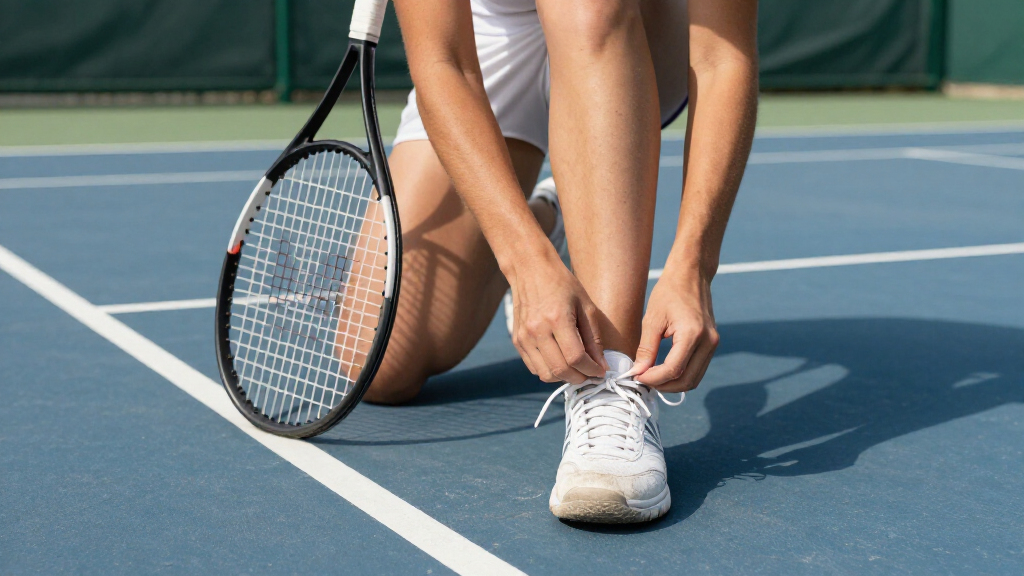
I ranked these shoes around what matters on a tennis court: lateral stability, impact cushioning, durability, and the fit information provided. Tennis involves repeated stops, starts, and side-to-side movement, so I gave more weight to features tied to court movement than to general comfort claims alone. A shoe with a supportive construction may suit a player who loads the edges during baseline rallies, while a flexible, breathable design may better fit casual play or someone who dislikes a structured feel.
I also compared how each shoe handles cushioning and protection. The GEL-RESOLUTION X and GEL-CHALLENGER 15 include named stability or reinforcement systems, while the Court FF 3 combines cushioning technologies with construction intended to support quick cuts. adidas takes a simpler approach with an EVA midsole and Adiwear outsole. Those differences shape the ranking: I place the GEL-RESOLUTION X first for its clearly stated baseline focus, then the Court FF 3 for its combination of court-oriented support and cushioning, followed by the GEL-CHALLENGER 15 as a comfort-and-stability alternative. The Gamecourt 2.0 rounds out the list as a comparatively uncomplicated option.
I did not treat every listed feature as proof of a better shoe. A more cushioned ride can be a poor match for a player seeking direct court feel, and a supportive fit is less useful if it does not suit the buyer’s foot shape. I also called out the reported large fit on the two GEL models rather than assuming all ASICS shoes fit the same. The supplied product information does not establish court-surface compatibility, exact width options, or a shared measurement method for weight, so I avoid making claims about those points. My ranking is a guide to matching the described design and tradeoffs to a player’s needs—not a claim that one model will fit every foot or playing style.
| tennis shoe | Fit | Stability | Cushioning | Midsole |
|---|---|---|---|---|
| ASICS Men’s GEL-RESOLUTION X T | Runs large; listing recommends sizing down half a size | DYNAWALL | Forefoot GEL technology | Two-piece design |
| ASICS Men’s Court FlyteFoam 3 | — | — | FLYTEFOAM and forefoot GEL | — |
| ASICS Men’s GEL-CHALLENGER 15 | Runs large | WINGWALL | Rearfoot GEL and TRUSSTIC | — |
| adidas Men’s Gamecourt 2.0 Ten | — | — | — | EVA |
Factors to Consider When Choosing Best Tennis Shoes
I would choose tennis shoes by starting with movement and fit, then comparing cushioning and durability. The four models here cover noticeably different priorities: the GEL-RESOLUTION X is the clearest stability-led pick, the Court FF 3 pairs cushioning with quick-cut support, the GEL-CHALLENGER 15 emphasizes heel comfort, and the Gamecourt 2.0 keeps its design simpler.
Match Support to Your Court Movement
If your play involves frequent lateral pushes, hard stops, or recovery steps from the baseline, look for a design that explicitly addresses side-to-side stability. The GEL-RESOLUTION X is the most direct match in this group because its description centers on a locked-in fit, stability during lateral movement, and support for landings. The GEL-CHALLENGER 15 also lists WINGWALL for side-to-side stability, but its pitch gives more attention to cushioning and sockliner comfort. That distinction can guide the choice: start with the GEL-RESOLUTION X if secure support is the main goal; compare the GEL-CHALLENGER 15 if heel comfort is just as important.
The Court FF 3 is another option for movement-focused players, with TWISTRUSS and MONO-SOCK construction described as supporting stability and quick cuts. The adidas Gamecourt 2.0 lists a flexible mesh upper and durable outsole but does not provide a named stability technology in the supplied details. I would not treat that omission as proof it cannot work for a player; rather, buyers seeking explicitly described lateral support have stronger evidence for the ASICS models in this comparison.
Choose Cushioning by Feel, Not by Feature Count
Cushioning can reduce the sense of impact, but more cushioning does not automatically mean a better tennis shoe. The Court FF 3 combines FLYTEFOAM and forefoot GEL and is described as having moderate-to-high cushioning. That makes it a candidate for players who want a softer landing feel, but its own listed tradeoff is that the ride may not suit someone who prefers firmer feedback. The GEL-RESOLUTION X also uses forefoot GEL, while the GEL-CHALLENGER 15 shifts the listed GEL cushioning to the rearfoot.
Those placements point to different priorities, but the supplied information does not establish which shoe will feel softer to a particular player. If you like the simple idea of lightweight cushioning without the listed GEL systems, the Gamecourt 2.0 uses an EVA midsole. I would begin with your preference: a more cushioned feel, a heel-focused comfort setup, or a straightforward midsole. Then compare fit and stability rather than choosing based on technology names alone.
Treat Fit Notes as Part of the Shortlist
A shoe’s support features can only help if the fit works for your foot. The GEL-RESOLUTION X listing says it runs large and recommends sizing down half a size. The GEL-CHALLENGER 15 is also listed as running large, though its supplied details do not say exactly how far to size down. I would read each model’s fit guidance independently instead of assuming a sizing adjustment carries over across the range.
The supplied information does not describe the fit of the adidas Gamecourt 2.0 or Court FF 3 in comparable detail, so I would avoid guessing about either model’s length or width. Check current seller sizing information and return terms before buying if you are between sizes or have a foot shape that often needs a specific width. A secure fit should hold the foot without relying on overly tight lacing, particularly in a shoe intended for side-to-side court movement.
Compare Durability Features with Your Priorities
Each model offers a different durability story. The GEL-RESOLUTION X lists PGUARD forefoot protection and AHARPLUS outsole rubber; the GEL-CHALLENGER 15 adds PGuard and AHARPLUS rubber at the heel. The Court FF 3 describes toe and heel reinforcement, while the Gamecourt 2.0 uses an Adiwear rubber outsole designed for durability. These details are useful when comparing construction, but the product information does not give a common wear test or a guaranteed lifespan.
I would pay attention to the areas that match your habits. If your toe drags during movement, forefoot protection may be a useful detail to prioritize. If the heel is your main concern, the GEL-CHALLENGER 15’s listed AHARPLUS heel rubber is especially relevant. The adidas option makes a simpler case around its outsole and also notes that at least half of its upper is recycled content, which may matter to buyers who value material sourcing alongside court use.
Decide How Much Structure You Want
More structure can support a secure, controlled feel, but it may be unnecessary for casual play or for someone who prefers a flexible shoe. The GEL-RESOLUTION X and GEL-CHALLENGER 15 foreground stability-related systems, and the Court FF 3 pairs its cushioning with construction aimed at quick cuts. The Gamecourt 2.0 is the less technology-heavy alternative, with an open mesh upper, EVA cushioning, and a rubber outsole. I would treat it as the straightforward option rather than assume it is equivalent to the more explicitly supported models.
Think about how often you play and what you notice during movement. A player who routinely changes direction at speed may value the support emphasis of the ASICS choices. Someone playing casually and looking for a breathable, flexible upper may prefer the adidas approach. Neither preference is universal, and the best match is the one whose fit and ride suit your movement rather than the one with the most features on paper.
Frequently Asked Questions
Which shoe is the strongest choice for baseline stability?
I rank the ASICS GEL-RESOLUTION X first for baseline stability because its description specifically calls out a locked-in fit, support for lateral movement and landings, and DYNAWALL stability. The GEL-CHALLENGER 15 also lists a side-to-side stability feature, but the GEL-RESOLUTION X has the more direct baseline-oriented description. Its listing says it runs large and recommends sizing down half a size, so check that guidance before ordering.
Which model should I choose if I prefer more cushioning?
The ASICS Court FF 3 is the clearest choice for players seeking a more cushioned design in this group: it combines FLYTEFOAM with forefoot GEL and is described as having moderate-to-high cushioning. The GEL-CHALLENGER 15 may suit someone who wants cushioning focused at the rearfoot plus an OrthoLite sockliner. If you prefer a firm court feel, the Court FF 3’s cushioning may be a drawback rather than a benefit.
Do any of these shoes have a listed sizing issue?
Yes. The GEL-RESOLUTION X is listed as running large, with a recommendation to size down half a size. The GEL-CHALLENGER 15 is also listed as running large, but the supplied product information does not specify an exact adjustment. I would follow the fit note for each model separately and check current sizing guidance rather than applying the same size change to both.
Which pick makes sense for recreational players?
I would start with the adidas Gamecourt 2.0 if you want a simple, breathable shoe with lightweight EVA cushioning and a durable rubber outsole. It has fewer named stability and cushioning systems in the supplied description than the ASICS options, so players who make aggressive lateral moves may prefer a more support-focused model. For casual court use, though, its straightforward design can be a better match than a more structured shoe.
Are the shoes in this guide water resistant?
The supplied product information explicitly says the ASICS Court FF 3 is not water resistant. It does not provide a water-resistance claim for the other three models, so I would not assume that they are suitable for wet conditions. If you regularly play in damp weather, check the current product details and choose footwear based on the conditions rather than treating an unlisted feature as a guarantee.
Conclusion
For the most clearly defined combination of baseline support, lateral stability, and durability features, I recommend the ASICS GEL-RESOLUTION X, with its large-running fit in mind. Choose the Court FF 3 if quick cuts and substantial cushioning matter most and you do not mind a softer feel. The GEL-CHALLENGER 15 is the better match for players who want rearfoot GEL, an OrthoLite sockliner, and heel-focused durability details, though its listing also says it runs large. If you play recreationally and prefer a breathable, flexible, uncomplicated design, the adidas Gamecourt 2.0 is the straightforward choice. My ranking favors court-specific support first, then cushioning and comfort distinctions, with the adidas included for buyers who value simplicity over a long list of stability features.
NFL season / tailgating Picks
team gear
As an affiliate, we earn on qualifying purchases.