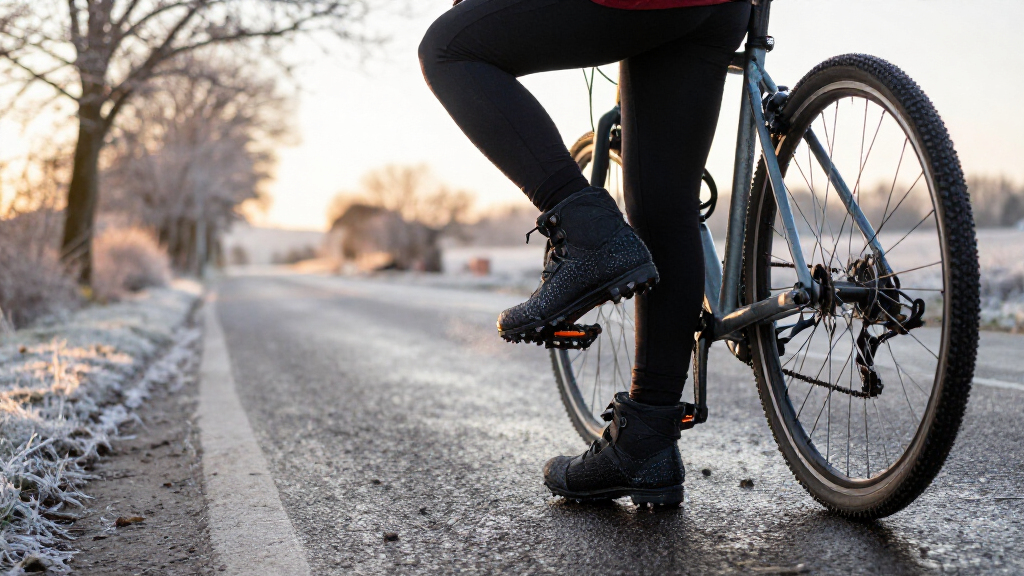
For most riders seeking the best winter cycling boots, I’d start with the Lake MXZ400 for its waterproof-focused design and all-around cold-weather appeal. The Fizik Terra Artica X5 GTX is a strong alternative for off-road rides, while the Fizik Tempo Artica R5 GTX suits road riders who want a more road-specific option. The main tradeoff is between weather protection and fit, since insulation can make sizing less forgiving and bulky boots may not suit every pedal or riding style. I also compare the Sidi Hiemx and three Lake alternatives for riders with different fit and use-case priorities. Read on for the full breakdown and help matching a boot to your winter riding.

Get sports gear delivered free with Prime
- Fast, free delivery on millions of items
- Prime Video, Amazon Music and more included
- Member-only deals all year
Complete the kit


Key Takeaways
- Lake MXZ400 takes the all-around lead because its waterproof winter focus makes it the most straightforward starting point for riders who face wet, cold conditions.
- Fizik splits its winter options by riding style: Terra Artica X5 GTX is the off-road-minded choice, while Tempo Artica R5 GTX is aimed at road riding.
- Lake offers the widest range of alternatives in this group, with MXZ304, MX146, and MXZ305 giving buyers distinct options to compare for fit and intended use.
- Pedal compatibility should shape the shortlist early. A boot that matches a rider’s preferred cleat and pedal setup is more useful than one chosen for insulation alone.
- There is no single best fit for every winter rider: riders prioritizing a specialized road or gravel design may prefer a Fizik model, while those seeking a winter boot from a broad lineup can compare the Lake choices.
| Sidi Hiemx Winter Cycling Boots |  | Best for Balanced Cold-Weather Riding | Upper: Gore-Tex EPE membrane with ripstop overlay | Lining: Gore-Tex soft fleece | Sole: X2NC nylon and glass fiber with rubber | VIEW LATEST PRICE | See Our Full Breakdown |
| Lake MXZ400 Waterproof Winter Cycling Boots |  | Best for Extreme Cold and Slushy Conditions | Upper: Water-resistant full-grain leather and abrasion-resistant waterproof leather | Insulation: Thinsulate | Lining: Temperature-regulating fabric | VIEW LATEST PRICE | See Our Full Breakdown |
| Fizik Terra Artica X5 GTX Winter Cycling Shoes |  | Best for Off-Road Winter Riding | Intended use: Off-road winter cycling | Outer: High-density PU upper and ripstop fabric | Membrane: Insulated GORE-TEX Koala | VIEW LATEST PRICE | See Our Full Breakdown |
| Lake MXZ304 Winter Cycling Boot |  | Best for Off-Bike Traction and Easy Adjustments | Upper: Full-grain leather | Sole: Rubber outsole with stiff nylon midsole | Insulation: Thinsulate | VIEW LATEST PRICE | See Our Full Breakdown |
| Fizik Tempo Artica R5 GTX Winter Road Cycling Shoes |  | Best for Winter Road Pedaling | Outer: High-density PU and ripstop fabric | Membrane: GORE-TEX Koala | Inner: Fleece | VIEW LATEST PRICE | See Our Full Breakdown |
| Lake MX146 Winter Cycling Shoe, Black, Regular and Wide |  | Best for Wet, Mild Winter Rides | Upper: Softshell with water-resistant microfiber | Insulation: 200g Thinsulate | Waterproofing: Seam-taped waterproof membrane bootie | VIEW LATEST PRICE | See Our Full Breakdown |
| Lake MXZ305 Winter Cycling Boot, SPD Compatible, Black |  | Best for Cold-Weather SPD Riding | Temperature range: 7°F to 45°F (-14°C to 7°C) | Upper: Water-resistant full-grain leather | Insulation: 200g Thinsulate | VIEW LATEST PRICE | See Our Full Breakdown |
| winter cycling boot | Closure | Upper | Sole | Insulation |
|---|---|---|---|---|
| Sidi Hiemx Winter Cycling Boot | High-density dial system with Dyneema cable | Gore-Tex EPE membrane with ripstop overlay | X2NC nylon and glass fiber with rubber | — |
| Lake MXZ400 Waterproof Winter | Dual BOA dials with Click-Fit quick release | Water-resistant full-grain leather and abrasion-resistant waterproof leather | Enduro sole with ICE LOCK anti-slip tread inserts | Thinsulate |
| Fizik Terra Artica X5 GTX Wint | L6 BOA dial and ankle Velcro strap | — | — | — |
| Lake MXZ304 Winter Cycling Boo | Tongue-mounted BOA Fit System M4 dial with Click-Fit quick release | Full-grain leather | Rubber outsole with stiff nylon midsole | Thinsulate |
| Fizik Tempo Artica R5 GTX Wint | L6 BOA dial and ankle Velcro closure | — | — | — |
| Lake MX146 Winter Cycling Shoe | Tongue-mounted BOA Fit System M4 dial with Click-Fit quick release | Softshell with water-resistant microfiber | — | 200g Thinsulate |
| Lake MXZ305 Winter Cycling Boo | BOA M4 dial | Water-resistant full-grain leather | Rubber with glass-injected tread | 200g Thinsulate |
More Details on Our Top Picks
Sidi Hiemx Winter Cycling Boots
The Sidi Hiemx is a balanced pick for riders who need winter protection without the heavily insulated build of the Lake MXZ400. Its PFC-free, waterproof and breathable Gore-Tex EPE membrane and fleece lining address wet, cold rides, while the nylon-and-glass-fiber X2NC sole pairs pedaling support with rubber grip for walking. The stiffness rating of 7 and Firmor lateral support make it a stronger choice for riders who value a stable, secure feel than the more walk-oriented Fizik Terra Artica X5 GTX. A dial closure with Dyneema cable allows a close fit, but the listing gives no sizing guidance, so fit-sensitive buyers have less information to work with. Its winter warmth also makes it a poor match for mild-weather riding.
Pros:- PFC-free Gore-Tex EPE membrane is waterproof and breathable.
- Fleece lining adds warmth for winter rides.
- X2NC sole combines nylon and glass fiber with rubber grip.
- Dial closure, Dyneema cable, and Firmor support help secure the foot.
Cons:- Winter insulation may feel too warm in mild weather.
- No fit or sizing details are provided.
Best for: Riders seeking a waterproof, fleece-lined boot with a stable sole for regular cold-weather road or mixed-surface rides.
Not ideal for: Riders who cycle mostly in mild conditions or need detailed fit guidance before choosing a size.
- Upper:Gore-Tex EPE membrane with ripstop overlay
- Lining:Gore-Tex soft fleece
- Sole:X2NC nylon and glass fiber with rubber
- Sole stiffness:Rating of 7
- Closure:High-density dial system with Dyneema cable
- Support:Firmor lateral support
- Features:Water-resistant, breathable, scratch-resistant, winter-proof
Our verdict“Choose the Sidi Hiemx for a stable, weather-protective winter boot that is less heavily insulated than the Lake MXZ400.”
Lake MXZ400 Waterproof Winter Cycling Boots
For riders facing persistent cold, snow, or slush, the Lake MXZ400 brings the most extensive warmth package in this group: Thinsulate insulation, a six-layer insulated footbed, and a seam-taped membrane bootie. Its ICE LOCK tread inserts target traction on icy or mixed surfaces, a more specific winter-walking feature than the Sidi Hiemx’s general rubber grip. Dual BOA dials let riders adjust separate zones, which can help refine hold around the foot. The tradeoff is a clearly cold-weather focus: compared with the Fizik Tempo Artica R5 GTX, this is the more insulated option and may be excessive for damp but relatively mild rides. The product details provide no temperature rating, so I can’t match its warmth to a precise riding range.
Pros:- Thinsulate and a six-layer footbed add substantial insulation.
- Seam-taped membrane bootie and protective leather help shield against water and slush.
- ICE LOCK inserts provide traction on icy and mixed surfaces.
- Dual BOA dials allow separate fit adjustments.
Cons:- Heavy insulation may be too warm for milder winter rides.
- No specific temperature rating is provided.
Best for: Riders who regularly ride through freezing weather, snow, and slush and want substantial insulation plus icy-surface tread.
Not ideal for: Riders in mild winter climates or those who want a stated temperature range to guide their insulation choice.
- Upper:Water-resistant full-grain leather and abrasion-resistant waterproof leather
- Insulation:Thinsulate
- Lining:Temperature-regulating fabric
- Footbed:Composite six-layer insulation footbed
- Sole:Enduro sole with ICE LOCK anti-slip tread inserts
- Closure:Dual BOA dials with Click-Fit quick release
- Water protection:Seam-taped membrane bootie and waterproof membrane
- Visibility:Reflective panels
Our verdict“Pick the Lake MXZ400 for frequent severe-cold riding where insulation and icy-surface traction matter more than versatility in mild weather.”
Fizik Terra Artica X5 GTX Winter Cycling Shoes
The Fizik Terra Artica X5 GTX is the off-road specialist here: its studded, full-surface rubber-coated outsole is built for grip when a ride includes slippery trails and stretches on foot. A waterproof, breathable GORE-TEX membrane and brushed-fleece lining offer weather protection and warmth, while the BOA dial and ankle strap give riders two closure points to adjust. Compared with the road-focused Fizik Tempo Artica R5 GTX, the Terra’s outsole and intended use make it the more trail-oriented choice. That traction comes with a tradeoff: its nylon sole may feel less stiff under hard pedaling than the Sidi Hiemx’s nylon-and-glass-fiber X2NC sole. Its winter lining can also be excessive when temperatures are mild.
Pros:- GORE-TEX membrane is waterproof and breathable.
- Brushed-fleece lining adds warmth.
- Studded, rubber-coated outsole is suited to slippery off-road surfaces.
- BOA dial and ankle Velcro strap provide adjustable closure.
Cons:- Nylon sole may be less stiff than the Sidi Hiemx’s nylon-and-glass-fiber sole.
- Winter insulation may be too warm in mild conditions.
Best for: Gravel and trail riders who need winter weather protection and dependable outsole grip on slippery terrain.
Not ideal for: Road riders prioritizing a stiffer pedaling platform or cyclists who mainly ride in mild weather.
- Intended use:Off-road winter cycling
- Outer:High-density PU upper and ripstop fabric
- Membrane:Insulated GORE-TEX Koala
- Inner:Fleece
- Sole material:Nylon
- Outsole:X5 with studs and full-surface rubber coating
- Closure:L6 BOA dial and ankle Velcro strap
Our verdict“Choose the Terra Artica X5 GTX for cold off-road rides where traction underfoot matters more than maximum sole stiffness.”
Lake MXZ304 Winter Cycling Boot
The Lake MXZ304 suits riders who want a winter cycling boot that remains useful when they have to walk, thanks to its rubber-tread outsole and insulated insole. Thinsulate and a temperature-management lining add warmth, while water-resistant leather, protection panels, and an over-flap help shield the foot from wet debris. Its glove-friendly BOA dial is a practical advantage when cold hands make small fasteners awkward. Compared with the more heavily insulated Lake MXZ400, the MXZ304 has a less elaborate insulation setup and a 50/50 sole balance aimed at on- and off-bike use rather than extreme cold or maximum pedaling specialization. Its high-volume Winter Last may suit roomier feet but can feel loose on riders who prefer a close, low-volume fit.
Pros:- Thinsulate and a temperature-management lining support cold-weather comfort.
- Water-resistant leather, protection panels, and over-flap help guard against wet debris.
- Glove-friendly BOA dial allows micro-adjustment and quick release.
- Rubber tread provides traction on and off the bike.
Cons:- High-volume shape may not hold narrow feet securely.
- Balanced 50/50 sole is less specialized for either maximum pedaling stiffness or walking.
Best for: Winter commuters and utility riders who walk during rides and want a glove-friendly closure and roomy fit.
Not ideal for: Riders with narrow feet or those seeking the extensive insulation and icy tread package of the Lake MXZ400.
- Upper:Full-grain leather
- Sole:Rubber outsole with stiff nylon midsole
- Insulation:Thinsulate
- Water resistance:Water-resistant
- Closure:Tongue-mounted BOA Fit System M4 dial with Click-Fit quick release
- Fit:Lake Winter Last; high-volume shape
- Insole:Thermosal Winter Insole with five-layer felt, aluminum, and air-bubble construction
- Sole balance:50/50 on-bike and off-bike use
Our verdict“Choose the MXZ304 for winter riding that includes frequent stops or walking, especially if you prefer a roomier boot fit.”
Fizik Tempo Artica R5 GTX Winter Road Cycling Shoes
The Fizik Tempo Artica R5 GTX is the road-oriented choice for riders who want winter weather protection without a bulky, trail-focused outsole. Its moderately stiff R5 nylon sole has no vent holes, helping limit a route for cold air and water while retaining support for efficient pedaling. A GORE-TEX Koala membrane and fleece lining add protection and warmth, and the BOA dial plus ankle strap secure the upper. Compared with the Terra Artica X5 GTX, the Tempo is better aligned with road riding; it gives up the Terra’s studded, rubber-coated grip for a road-focused sole. Riders seeking a rigid racing feel may prefer a stiffer option such as the Sidi Hiemx, and the winter lining can be too warm for mild conditions.
Pros:- GORE-TEX Koala membrane is waterproof and breathable.
- Fleece lining adds warmth in cold conditions.
- Vent-free R5 nylon outsole helps keep the foot protected from cold air and water.
- BOA dial and ankle Velcro closure provide adjustable support.
Cons:- Moderate sole stiffness may not satisfy riders seeking a rigid racing platform.
- Lacks the studded, full-rubber traction of the Terra Artica X5 GTX.
- Winter insulation may feel excessive in mild weather.
Best for: Road cyclists who ride through cold, wet weather and want a sealed, moderately stiff shoe rather than an off-road tread.
Not ideal for: Racers seeking a very stiff sole, trail riders needing studded grip, or cyclists riding mostly in mild weather.
- Outer:High-density PU and ripstop fabric
- Membrane:GORE-TEX Koala
- Inner:Fleece
- Sole material:Nylon
- Outsole:R5 nylon, moderately stiff, without vent holes
- Closure:L6 BOA dial and ankle Velcro closure
- Cleat position:Set farther back than traditional settings
Our verdict“Pick the Tempo Artica R5 GTX for cold, wet road rides if you value a sealed, moderately stiff sole over trail traction or racing-level rigidity.”
Lake MX146 Winter Cycling Shoe, Black, Regular and Wide
The Lake MX146 is the better fit for riders facing chilly, damp commutes and mixed-surface rides rather than prolonged deep-freeze conditions. Its 200g Thinsulate insulation and seam-taped waterproof membrane bootie add warmth and rain protection, while the BOA M4 dial is practical to adjust with gloves. Compared with the more winter-focused Lake MXZ305, the MX146 is explicitly aimed at cool, damp conditions, so I would choose it for milder winter weather, not the coldest rides. Its Supergrip Enduro outsole with ICE LOCK inserts and protective toe guard make walking on slick ground less unnerving. Regular and wide sizing also gives it an advantage for riders who struggle with narrow cycling shoes. The tradeoffs: it weighs a listed 3.8 pounds, and toe spikes do not fit sizes 36–38.
Pros:- Seam-taped waterproof membrane bootie helps keep rain and road spray out.
- 200g Thinsulate insulation adds warmth for cool-weather rides.
- ICE LOCK inserts and grippy rubber outsole support traction on slick ground.
- Glove-friendly BOA dial, quick release, and regular or wide fit options.
Cons:- Designed for cool, damp conditions rather than severe winter cold.
- Toe spikes are not compatible with sizes 36–38.
- Listed weight of 3.8 pounds may feel substantial compared with lighter cycling shoes.
Best for: Commuters and trail riders in cool, rainy climates who want waterproof construction, traction, and a choice of regular or wide fit.
Not ideal for: Riders regularly cycling in severe cold or buyers who need toe spikes in sizes 36–38; this model is intended for cool, damp conditions and has that size-specific spike limitation.
- Upper:Softshell with water-resistant microfiber
- Insulation:200g Thinsulate
- Waterproofing:Seam-taped waterproof membrane bootie
- Closure:Tongue-mounted BOA Fit System M4 dial with Click-Fit quick release
- Outsole:Supergrip Enduro rubber with ICE LOCK anti-slip inserts
- Fit:Regular and Wide widths
- Toe spikes:Accepted; not compatible with sizes 36–38
- Weight:3.8 pounds
Our verdict“Choose the MX146 for wet, relatively mild winter rides and a more accommodating fit, but pick a colder-weather boot like the MXZ305 for harsher conditions.”
Lake MXZ305 Winter Cycling Boot, SPD Compatible, Black
The Lake MXZ305 is the more cold-oriented choice in this pair, with a stated range of 7°F to 45°F and an Outlast lining designed to regulate temperature as effort changes. Its water-resistant full-grain leather, 200g Thinsulate, and reinforced Helcor toe guard suit riders who want a protective ankle-high boot for winter routes. Compared with the Lake MX146, the MXZ305 puts greater emphasis on riding in winter cold, while the MX146 is framed for cool, damp conditions and offers regular and wide widths. The MXZ305 also specifies SPD compatibility, making cleat choice clearer for off-road and commuter setups. The rubber tread is intended for grip on snow, ice, and mud, though water resistance is not the same as a stated waterproof membrane. At 3.9 pounds, it may feel heavy for riders prioritizing a light, lively pedal stroke.
Pros:- Stated 7°F to 45°F temperature range suits colder rides than the MX146’s cool-and-damp focus.
- 200g Thinsulate and Outlast lining are designed to provide warmth while managing temperature.
- Water-resistant leather and Helcor toe guard add protection against abrasion and winter conditions.
- SPD-compatible platform, grippy rubber tread, and glove-friendly BOA M4 closure.
Cons:- Listed weight of 3.9 pounds may feel substantial during long rides.
- Water resistant, but no waterproof membrane is specified.
- The stated temperature range may not suit riders seeking a boot for conditions colder than 7°F.
Best for: SPD-equipped commuters and off-road riders who need an insulated, ankle-high boot for cold-weather rides within the stated temperature range.
Not ideal for: Weight-conscious riders, or cyclists who need explicitly waterproof construction for prolonged rain; the listed boot weighs 3.9 pounds and is described as water resistant.
- Temperature range:7°F to 45°F (-14°C to 7°C)
- Upper:Water-resistant full-grain leather
- Insulation:200g Thinsulate
- Lining:Outlast temperature-regulating fabric
- Toe protection:German Helcor abrasion-resistant toe guard
- Sole:Rubber with glass-injected tread
- Cleat compatibility:SPD
- Closure:BOA M4 dial
- Weight:3.9 pounds
Our verdict“Pick the MXZ305 for cold-weather SPD riding and added ankle coverage, but choose a lighter or explicitly waterproof option if those needs take priority.”
How We Picked
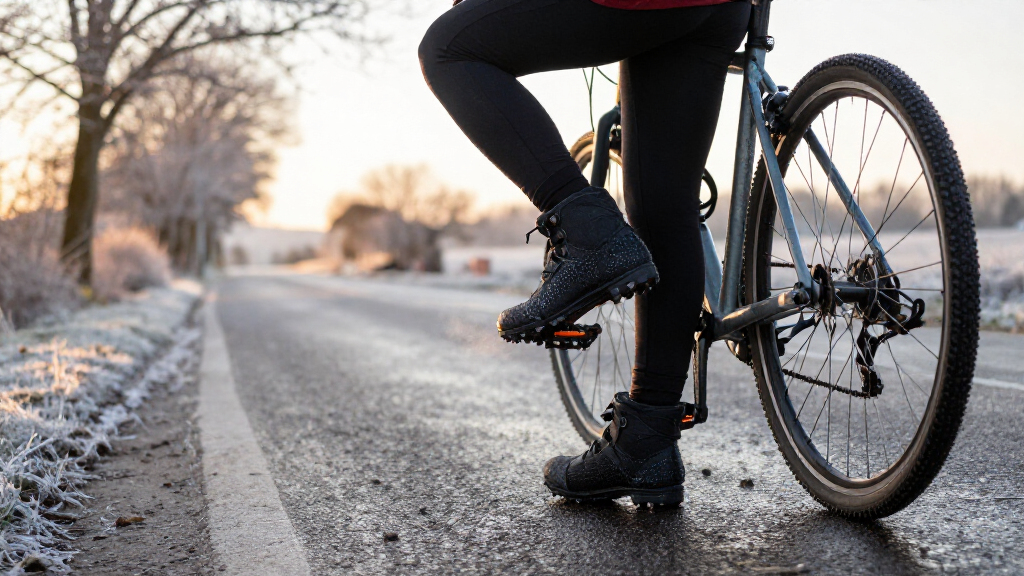
I ranked these seven models around the problems winter riders are trying to solve: keeping feet warm and dry, maintaining a secure fit with winter socks, and matching the boot to a road, gravel, or other cycling setup. I also weighed the practical value of each model’s stated weather protection, intended riding style, and pedal compatibility. I treated fit and use case as more meaningful than a long feature list, since a boot that does not work with a rider’s cleats or foot shape is a poor winter choice.
The Lake MXZ400 leads as the most broadly compelling cold-weather option in this lineup. The Fizik Terra Artica X5 GTX and Tempo Artica R5 GTX follow as clearer specialist picks for off-road and road riding, respectively. The remaining Lake models and the Sidi Hiemx add alternatives for riders whose needs or fit preferences differ, but they rank lower because the available distinctions are less broadly decisive. I did not treat model names alone as proof of warmth or waterproof performance; buyers should verify current sizing, cleat compatibility, and product specifications before ordering.
| winter cycling boot | Upper | Sole | Closure |
|---|---|---|---|
| Sidi Hiemx Winter Cycling Boot | Gore-Tex EPE membrane with ripstop overlay | X2NC nylon and glass fiber with rubber | High-density dial system with Dyneema cable |
| Lake MXZ400 Waterproof Winter | Water-resistant full-grain leather and abrasion-resistant waterproof leather | Enduro sole with ICE LOCK anti-slip tread inserts | Dual BOA dials with Click-Fit quick release |
| Fizik Terra Artica X5 GTX Wint | — | — | L6 BOA dial and ankle Velcro strap |
| Lake MXZ304 Winter Cycling Boo | Full-grain leather | Rubber outsole with stiff nylon midsole | Tongue-mounted BOA Fit System M4 dial with Click-Fit quick release |
| Fizik Tempo Artica R5 GTX Wint | — | — | L6 BOA dial and ankle Velcro closure |
| Lake MX146 Winter Cycling Shoe | Softshell with water-resistant microfiber | — | Tongue-mounted BOA Fit System M4 dial with Click-Fit quick release |
| Lake MXZ305 Winter Cycling Boo | Water-resistant full-grain leather | Rubber with glass-injected tread | BOA M4 dial |
Factors to Consider When Choosing Best Winter Cycling Boots
Choosing winter cycling boots is less about finding the most insulated-looking option and more about matching protection, fit, and pedal setup to your actual rides. I’d settle the compatibility and sizing questions before comparing secondary features.
Match the Boot to Your Riding Style
Road and off-road boots make different compromises, so start with where you ride most often. A road-specific boot can make sense for paved rides and road cleats, while a gravel or mountain-oriented model may better suit mixed surfaces and the cleat system used for off-road cycling. Commuters should also think about how often they walk in their boots and whether their routes include frequent stops. Choosing a boot for occasional rides outside your main style can leave you with a less comfortable everyday setup. If you split time between road and trails, check which pedal system you use most before looking for a do-everything option.
Check Cleat and Pedal Compatibility Before Buying
Winter boots are not interchangeable just because they are all made for cycling. Confirm that the sole accepts your cleat type and that the cleat position works with your preferred pedal system. A mismatch can mean buying additional equipment or finding that your usual pedals cannot be used. Also check whether the sole leaves enough cleat adjustment for your riding position. The common mistake is to focus on warmth first and discover only after purchase that the boot does not fit the bike. When in doubt, compare the manufacturer’s compatibility details with the exact cleats already on your shoes.
Allow Room for Winter Socks Without Losing Control
A close summer-shoe fit can become uncomfortable once thicker socks and longer cold-weather rides enter the picture. Try boots with the socks you expect to wear, and check whether your toes can move without your heel lifting or your foot sliding. Too little room can restrict comfort, but sizing up too far may compromise control on the pedals. Do not assume every brand’s size translates directly from your regular cycling shoes. Check the model’s sizing guidance and return terms before ordering, especially if you cannot try it on in person. The right fit leaves room for warmth without making the shoe feel loose.
Separate Water Protection From Warmth
Water resistance and insulation solve related but different problems. Wet-weather protection matters most for slush, rain, and spray, while insulation helps when the air and road are cold even on a dry day. Riders in damp climates may benefit more from keeping water out; riders facing dry, bitter cold may prioritize warmth and sock room. A boot marketed for winter is not automatically suited to every temperature or precipitation pattern. Match the protection to the conditions you encounter most, not the harshest ride you might take once a season. This can help avoid paying for a feature set that does not address your main source of discomfort.
Think About Walking, Fit, and Daily Practicality
If your winter rides include commuting, café stops, or pushing the bike, walking comfort deserves a place in the decision. A boot built around efficient pedaling may feel different off the bike from one intended for more mixed use. Check how the cleat sits in the sole and whether the boot’s shape suits your foot, particularly if you need a wider fit. A secure closure matters too: it should hold your foot in place without creating pressure when you wear thicker socks. Buyers often overlook these details while comparing weather claims. For frequent stop-and-go use, comfort away from the pedals can matter as much as performance while riding.
Know When a More Specialized Boot Is Worth It
Paying for a specialist design makes sense when it solves a real mismatch in your current setup, such as needing a road-focused winter shoe or an off-road boot for mixed terrain. If you ride only occasionally through winter, a broader-use model may be a more sensible fit than a boot built around one narrow style. Consider how often you ride in cold conditions, how long those rides last, and whether your current shoes already leave your feet uncomfortable. A more protective boot cannot compensate for the wrong size or incompatible pedals. Prioritize the feature that addresses your most frequent problem, then treat other extras as secondary. That approach keeps the decision tied to actual riding rather than the longest specification list.
Frequently Asked Questions
Should I choose an off-road winter boot if I ride gravel and road?
Choose based on the pedal system and terrain you use most often, rather than assuming one boot will suit every ride equally. The Terra Artica X5 GTX is the lineup’s off-road-focused Fizik option, while the Tempo Artica R5 GTX is road-oriented. If most of your winter riding is gravel or mixed surface, an off-road-compatible design may fit your routine better. If your regular winter rides are on the road, a road-specific boot may be the more natural match. Check cleat compatibility before choosing between them.
How much room should winter cycling boots have?
Your toes should have enough room to move when you are wearing the socks you plan to use, but your heel and midfoot should still feel secure. A boot that is too tight can feel uncomfortable on cold, extended rides, while a boot that is too large may compromise control. Do not rely on your summer-shoe size as a guaranteed match across brands or models. Use the maker’s sizing guidance and try the boot with your winter socks when possible. Check the return policy before buying if you cannot test the fit beforehand.
Is waterproofing more important than insulation for winter riding?
That depends on what makes your feet cold most often. Riders who face rain, slush, or road spray should place more weight on water protection, while those riding in dry, very cold conditions may get more benefit from insulation and adequate sock room. Damp feet can become uncomfortable even when temperatures are not at their lowest. A waterproof-focused boot is not automatically the warmest choice for every rider or climate. Match the boot’s stated protection to the weather you regularly ride in.
Can I use winter cycling boots with my current pedals?
Only if the boot’s sole supports your cleat system and the cleat can be fitted in a position that works for you. Check the manufacturer’s compatibility information against the exact pedals and cleats you already own. This is especially important when comparing road-oriented and off-road-oriented models, which may be built for different setups. A boot that does not work with your pedals can add cost or require a change to your riding equipment. Confirm compatibility before placing an order rather than relying on the product name alone.
Which model should I choose if I ride in winter only occasionally?
For occasional winter use, I’d start with the Lake MXZ400 as the roundup’s broadest all-around pick, then confirm that its fit and cleat setup suit you. If your rides are mainly road-based, the Tempo Artica R5 GTX is the more targeted alternative; for off-road riding, compare the Terra Artica X5 GTX. An occasional rider may not benefit from choosing a highly specialized boot unless its design addresses a specific need. Think about the weather and terrain you encounter most, rather than preparing for conditions you rarely ride in. Fit and compatibility still matter more than owning the most specialized option.
Conclusion
Best overall: I’d choose the Lake MXZ400 for a broadly useful winter-focused option. Best for off-road riding: the Fizik Terra Artica X5 GTX is the clearest match for gravel and trail-oriented use, while the Tempo Artica R5 GTX is the road-specific pick. Best value: compare the Lake MXZ304, MX146, and MXZ305 against your fit and pedal needs, since this roundup does not establish a price-based winner. Best for beginners: start with the MXZ400, then confirm fit and cleat compatibility before committing. Best for specific needs: choose the Fizik model that matches your terrain, or compare the Sidi Hiemx and other Lake boots if their fit or intended setup better suits you. My final advice is to shortlist by pedal system and riding style first, then choose the best-fitting boot for the weather you actually face.