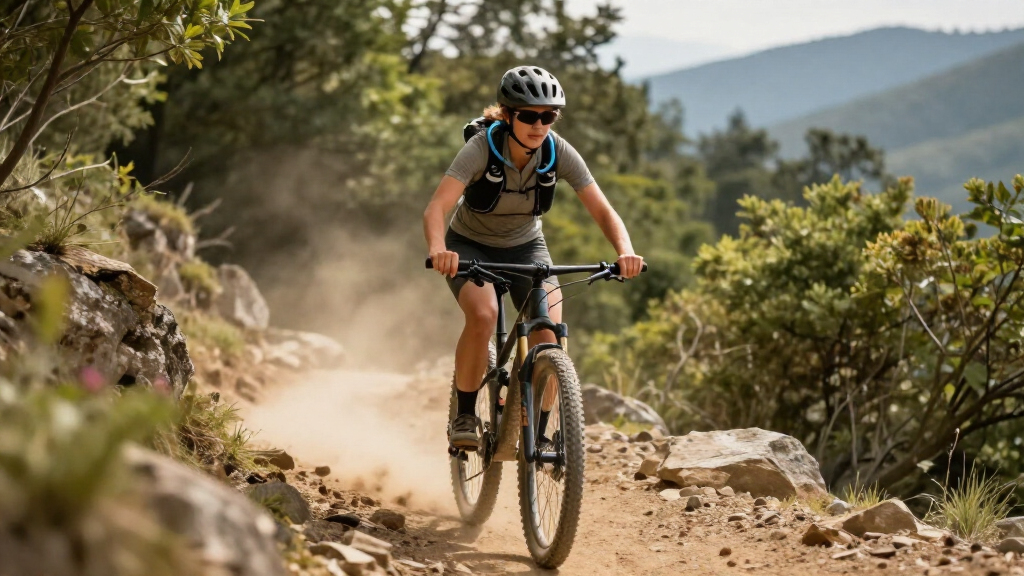
The best mountain bike hydration packs balance three things that rarely coexist: a stable fit on rough descents, enough storage for tools and layers, and a reservoir that doesn’t slosh or leak. The Osprey Raptor 10L takes my best overall spot because it nails all three, with a superb AirScape back panel and one of the most reliable bite valves in the category. If budget is the deciding factor, the Unigear Hydration Pack delivers a surprising amount of function for the price, while the CamelBak M.U.L.E. 12 remains the benchmark for riders who carry more gear on longer trail days. The main tradeoff you’ll face is capacity versus bounce: bigger packs haul more but shift around on technical terrain, while slim packs ride stable but limit what you can bring. Read on for the full breakdown of all eight packs.

Get sports gear delivered free — and shop member deals
- Fast, free delivery on millions of items
- Access to Prime Big Deal Days deals on October 6–7
- Prime Video, Amazon Music and more included
Complete the kit


Key Takeaways
- The Osprey Raptor 10L won best overall because its AirScape back panel and integrated tool organization beat the CamelBak M.U.L.E. 12 on stability, even though the M.U.L.E. edges it on raw storage.
- Budget packs from Unigear and Everfun now include 2L or 3L bladders and rain covers, closing much of the gap with premium brands — but their bite valves and strap adjustability still lag behind Osprey and CamelBak.
- The CamelBak Classic is the clear beginner pick: less storage and fewer features, but the simplest setup to learn with and the lowest price from a major brand.
- The Teton Oasis/Trailrunner is really a hiking pack adapted for cycling — its sewn-in rain cover and 18–22L capacity suit all-day adventure riders, but it’s overkill for short trail loops.
- The CamelBak Mini M.U.L.E. is the only true kids’ option here, and it’s not just a shrunken adult pack: the 50oz reservoir and scaled-down harness fit young riders properly.
| Osprey Raptor 10L Men’s Mountain Bike Hydration Pack, Black |  | Best Overall | Capacity: 10 liters | Reservoir Included: Yes | Reservoir Capacity: 2.5 liters | VIEW LATEST PRICE | See Our Full Breakdown |
| Osprey Berm Biking Backpack with Hydraulics Reservoir |  | Best Lightweight All-Rounder | Reservoir Capacity: 2.5L Hydraulics | Weight: 1.27 lb / 574 g | Dimensions: 16.1 x 8.3 x 7.9 in / 41 x 21 x 20 cm | VIEW LATEST PRICE | See Our Full Breakdown |
| CamelBak M.U.L.E. 12 Mountain Bike Hydration Pack |  | Best for All-Day Epic Rides | Hydration Capacity: 100oz reservoir | Fit: Ergonomic fit with ventilation | Tube Management: Magnetic attachment | VIEW LATEST PRICE | See Our Full Breakdown |
| Teton Oasis/Trailrunner Hydration Backpack – 2L/3L Bladder, 18L/22L Sizes |  | Best Budget Value | Water Capacity: 2L or 3L bladder | Storage Capacity: 18L or 22L | Material: High-density foam, breathable mesh | VIEW LATEST PRICE | See Our Full Breakdown |
| CamelBak Classic Bike Hydration Pack |  | Best Minimalist Pick | Hydration Capacity: 85oz Crux reservoir | Back Panel: Breathable air mesh | Harness: Ventilated for stability | VIEW LATEST PRICE | See Our Full Breakdown |
| Unigear Hydration Pack Backpack with 2L Water Bladder | 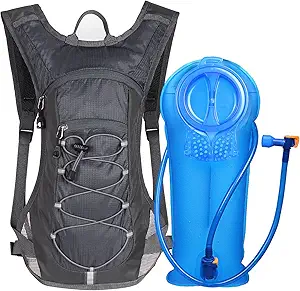 | Best Budget Pick | Material: 100% Nylon, splash-resistant | Bladder Capacity: 2 Liters, BPA-free | Weight: 1.1 lb | VIEW LATEST PRICE | See Our Full Breakdown |
| Everfun Hydration Backpack 18L with Water Bladder |  | Best for All-Day Adventure Rides | Capacity: 18L storage | Bladder Capacity: 2L/70oz (3L compatible) | Material: Food-grade PEVA bladder, high-density nylon shell | VIEW LATEST PRICE | See Our Full Breakdown |
| CamelBak Mini M.U.L.E. Kids Hydration Backpack |  | Best for Young Riders | Reservoir Capacity: 50oz (1.5L) Crux reservoir | Material: Recycled materials | Weight: Lightweight | VIEW LATEST PRICE | See Our Full Breakdown |
| mountain bike hydration pack | Weight | Material | Dimensions | Storage |
|---|---|---|---|---|
| Osprey Raptor 10L Men’s Mounta | 2.09 lbs | — | 18.9H x 9.8W x 9.1D inches | — |
| Osprey Berm Biking Backpack wi | 1.27 lb / 574 g | — | 16.1 x 8.3 x 7.9 in / 41 x 21 x 20 cm | Multiple pockets for tools and essentials |
| CamelBak M.U.L.E. 12 Mountain | — | Premium materials (unspecified) | — | Tool organization, stretch overflow pocket |
| Teton Oasis/Trailrunner Hydrat | — | High-density foam, breathable mesh | — | — |
| CamelBak Classic Bike Hydratio | — | — | — | Zippered pocket for small essentials |
| Unigear Hydration Pack Backpac | 1.1 lb | 100% Nylon, splash-resistant | 16.5 x 8 x 6.0 inches | — |
| Everfun Hydration Backpack 18L | 1.74 lbs | Food-grade PEVA bladder, high-density nylon shell | 18.5 x 10.5 x 6 inches | — |
| CamelBak Mini M.U.L.E. Kids Hy | Lightweight | Recycled materials | — | Zippered pocket plus stretch overflow pocket |
More Details on Our Top Picks
Osprey Raptor 10L Men’s Mountain Bike Hydration Pack, Black
The Raptor 10L stands out as the most complete trail-riding package in this lineup. Where the CamelBak Classic offers little beyond hydration, the Raptor adds a winged harness, hipbelt, and integrated tool roll, which translates to a pack that stays planted on technical descents and keeps tube, levers, and pump organized rather than rattling loose. Compared with the Osprey Berm, it gives up some weight savings but gains genuine load-carrying stability when the pockets are stuffed. The tradeoff is real: at 2.09 lbs dry, it is the heaviest option here, and hauling 10 liters of capacity on a ninety-minute spin feels like overkill. This pick makes the most sense for riders whose rides regularly stretch past three hours.
Pros:- Bike-specific winged harness and hipbelt keep the pack stable on rough descents
- Integrated tool roll and internal organization keep trail kit secure and reachable
- 2.5L reservoir included, sized well for long rides
- Ten liters of capacity handles layers, food, and spares without external strapping
Cons:- Heaviest pack in this lineup at 2.09 lbs before water
- Overkill in size and storage for shorter rides
- Only available in black in this listing
Best for: Trail and enduro riders who take all-day outings and need organized tool storage plus a locked-down fit
Not ideal for: Riders who mostly do short laps or climb-focused rides — the weight and 10L bulk work against them
- Capacity:10 liters
- Reservoir Included:Yes
- Reservoir Capacity:2.5 liters
- Dimensions:18.9H x 9.8W x 9.1D inches
- Weight:2.09 lbs
- Harness:Winged harness with hipbelt
- Organization:Internal organization with tool roll
Our verdict“Buy this if you want one pack that handles big backcountry days with tool organization and a dialed, bounce-free fit.”
Osprey Berm Biking Backpack with Hydraulics Reservoir
The Berm is the pack for riders who found the Raptor 10L appealing but too heavy. At 1.27 lbs, it shaves nearly half the weight of its Osprey sibling while keeping a full 2.5L Hydraulics reservoir and enough pockets for tools and a layer. The ventilated backpanel and unisex one-size fit make it a friendlier choice for mixed riders or households sharing gear, unlike the men’s-specific cut of the Raptor. That said, the one-size design is a gamble: riders at the far ends of the torso-length spectrum may never get the shoulder straps to sit right, something sized harnesses solve. It also lacks the Raptor’s tool roll, so organization is looser. For mid-distance rides where ounces matter more than cargo management, this model is better suited than anything else here.
Pros:- Lightest branded pack in this roundup at 1.27 lbs
- Full 2.5L Hydraulics reservoir included despite the low weight
- Ventilated harness and backpanel reduce sweat buildup on climbs
- Unisex fit works for shared or family use
Cons:- One-size fit limits adjustability for extreme torso lengths
- No dedicated tool roll or structured organization like the Raptor
- Limited color availability in this listing
Best for: Cross-country and mid-distance riders who want Osprey quality and hydration capacity at minimal weight
Not ideal for: Very tall or short riders who risk a poor fit from the single-size harness, or riders needing structured tool organization
- Reservoir Capacity:2.5L Hydraulics
- Weight:1.27 lb / 574 g
- Dimensions:16.1 x 8.3 x 7.9 in / 41 x 21 x 20 cm
- Fit:Unisex, one-size
- Backpanel:Ventilated
- Storage:Multiple pockets for tools and essentials
Our verdict“The smart pick for weight-conscious riders who still want premium reservoir performance on two-to-four hour rides.”
CamelBak M.U.L.E. 12 Mountain Bike Hydration Pack
The M.U.L.E. 12 earns its place as the long-ride specialist, pairing a 100oz reservoir — the largest hydration capacity in this batch alongside the Classic’s 85oz — with trail-smart features the CamelBak Classic simply lacks: magnetic tube management, a stretch overflow pocket, helmet carry, and a removable waist strap. The magnetic anchor means the bite valve is always within a glance’s reach, which matters more than it sounds on chunky singletrack. Its ventilation is a step above the Teton Oasis, making it the better choice for hot climbing days. The honest drawbacks: CamelBak does not publish the weight, so gram counters are shopping blind, and material durability details are thin compared with Osprey’s documentation. If your rides are measured in elevation gain and hours, this is the capacity-plus-organization answer.
Pros:- Massive 100oz reservoir with a quick-connect system for fast refills
- Magnetic tube management keeps the bite valve instantly reachable
- Helmet carry and stretch overflow pocket add real versatility
- Ventilated, ergonomic fit suits long hot rides
Cons:- Weight not specified by the manufacturer, complicating comparison shopping
- Likely heavy when fully loaded with 100oz of water
- Limited published detail on material durability
Best for: Endurance riders and bikepackers-in-training who need maximum water capacity and gear management for full days in the saddle
Not ideal for: Weight-obsessed racers or riders who want verified specs before buying — the unlisted weight is a legitimate dealbreaker for them
- Hydration Capacity:100oz reservoir
- Fit:Ergonomic fit with ventilation
- Tube Management:Magnetic attachment
- Storage:Tool organization, stretch overflow pocket
- Extras:Helmet carry, removable waist strap
- Material:Premium materials (unspecified)
Our verdict“The capacity king for riders whose adventures outlast everyone else’s water supply.”
Teton Oasis/Trailrunner Hydration Backpack – 2L/3L Bladder, 18L/22L Sizes
For buyers who flinch at premium-pack pricing, the Teton delivers the most hardware per dollar in this roundup: a leakproof 2L or 3L bladder, 18L or 22L of cargo space, and a sewn-in rain cover plus weather-guarded zippers — features none of the Osprey or CamelBak options include at any price. Compared with the Osprey Berm, you trade refined fit and brand-name reservoir design for sheer capacity and weather protection, a reasonable swap for commuters and foul-weather riders. The catch is that it is not a bike-specific design: the 18L-plus volume is bulky on a mountain bike, and the bungee system is more hiking-pack than trail-pack. Regular bladder cleaning is also non-negotiable or you will be tasting it. For multi-sport households on a budget, nothing else here matches its versatility-per-dollar.
Pros:- Exceptional value: large 2L/3L bladder and 18L/22L storage included
- Sewn-in rain cover and weather-guarded zippers protect gear in storms
- Fits men, women, and youth, making it great for shared family use
- High-density foam and breathable mesh keep it comfortable all day
Cons:- Not bike-specific — bulky for its category compared with slimmer packs like the Berm
- Bladder requires frequent cleaning to avoid taste and mildew issues
- Fit and finish trail behind premium brands
Best for: Budget-minded multi-sport users who bike, hike, and run and want maximum storage plus rain protection cheaply
Not ideal for: Dedicated mountain bikers wanting a bike-specific harness — the bulk and generic fit feel sloppy on technical terrain
- Water Capacity:2L or 3L bladder
- Storage Capacity:18L or 22L
- Material:High-density foam, breathable mesh
- Weather Protection:Sewn-in rain cover, weather-guarded zippers
- External Storage:Bungee cord system
- Fit:Men, women, and youth
- Activities:Hiking, running, cycling, biking
Our verdict“The value play for riders who’d rather spend savings on tires than on a logo — as long as they accept a bulkier, multi-sport shape.”
CamelBak Classic Bike Hydration Pack
The Classic lives up to its name by doing one job well: hydration with almost nothing else. Its 85oz Crux reservoir covers most rides in a single fill, and the breathable air mesh back panel and ventilated harness keep sweat buildup lower than the denser Teton Oasis. Compared with the CamelBak M.U.L.E. 12, it strips away helmet carry, tool organization, and the magnetic tube anchor — that is the point. Riders who carry a tube in a saddlebag and a bar snack in a pocket will appreciate the near-empty feel on their backs, something even the lightweight Osprey Berm can’t quite match with its extra pockets. The tradeoff is firm: one zippered pocket means no tools, no layer, no rain shell. Choose this only if minimalism is your actual riding style, not an aspiration.
Pros:- Large 85oz Crux reservoir handles most rides in one fill
- Air mesh back panel and ventilated harness run cool
- Reflective accents add low-light visibility
- Truly minimalist feel on the back compared with every other pick here
Cons:- Very limited storage — a single zippered pocket for small items
- No insulation, tool organization, or extra compartments
- Outgrown quickly if your ride kit expands beyond water
Best for: Minimalist riders who carry tools on the bike and want a nearly invisible pack for hydration only
Not ideal for: Riders who need to stow tools, layers, or food — the single zippered pocket rules out any real cargo
- Hydration Capacity:85oz Crux reservoir
- Back Panel:Breathable air mesh
- Harness:Ventilated for stability
- Storage:Zippered pocket for small essentials
- Visibility:Reflective accents
- Insulation:None
Our verdict“A hydration-first pack for riders who already carry everything else on the bike itself.”
Unigear Hydration Pack Backpack with 2L Water Bladder
For riders who want hydration without a big spend, this Unigear pack undercuts the CamelBak M.U.L.E. 12 by a wide margin while still delivering the core essentials: a 2L BPA-free bladder, adjustable shoulder, chest, and waist straps, and splash-resistant nylon. Compared with the Everfun 18L, storage here is minimal — a single small front pocket — so this pick makes the most sense for short, fast rides where a jacket and tools aren’t part of the plan. The 1.1 lb weight is genuinely light, which matters on steep climbs. The tradeoff is bladder quality and fit security; the reservoir and bite valve don’t match CamelBak’s Crux system, and some riders report bounce during aggressive descending.
Pros:- Very affordable entry into hydration packs
- Featherlight 1.1 lb build that disappears on climbs
- 2L BPA-free bladder accepts ice cubes
- Three-point strap adjustment fits a wide range of body sizes
Cons:- Single small front pocket severely limits cargo capacity
- Fit can bounce during aggressive or high-speed riding
- Bladder and bite valve quality trail behind premium brands
Best for: Budget-conscious riders doing short to mid-length trail rides who carry only the basics
Not ideal for: All-day riders or anyone hauling layers, tools, and food — the tiny pocket fills up immediately
- Material:100% Nylon, splash-resistant
- Bladder Capacity:2 Liters, BPA-free
- Weight:1.1 lb
- Dimensions:16.5 x 8 x 6.0 inches
- Adjustable Straps:Shoulder, chest, waist
- Included:Backpack and bladder
Our verdict“Buy this if you want cheap, light hydration for quick laps and can live with almost no storage.”
Everfun Hydration Backpack 18L with Water Bladder
The Everfun 18L is the hauler of this group. Where the Unigear pack offers one pocket and the CamelBak M.U.L.E. 12 gives you a dozen liters, this bag’s 18L of compartmentalized storage swallows layers, lunch, tools, and spares for full days in the saddle. Two features stand out for mountain bikers specifically: an insulated bladder sleeve that keeps water cold on exposed summer climbs, and a sewn-in-style rain cover — the same weather protection that makes the Teton Oasis popular — so sudden alpine squalls don’t soak your gear. The tradeoff is bulk; at 18.5 inches tall and 1.74 lbs, it runs warmer and bouncier than sleeker cycling-specific packs like the CamelBak Classic, and the harness tuning is less refined.
Pros:- 18L of organized storage across multiple pockets and compartments
- Insulated sleeve keeps water cold for hours
- Integrated rain cover handles all-weather riding
- Reflective strips and comfortable all-day harness
Cons:- Larger and warmer on the back than cycling-specific packs
- Fit adjustability is decent but not truly customizable for all torso shapes
- Bladder only holds 2L/3L — tight for very long unsupported rides
Best for: Riders mixing long mountain bike days with hiking or bikepacking-style gear needs
Not ideal for: Minimalist XC riders who want a low-profile, bounce-free racing pack
- Capacity:18L storage
- Bladder Capacity:2L/70oz (3L compatible)
- Material:Food-grade PEVA bladder, high-density nylon shell
- Weight:1.74 lbs
- Dimensions:18.5 x 10.5 x 6 inches
- Weather Protection:Integrated rain cover
- Key Features:Insulated compartment, reflective strips, adjustable straps
Our verdict“Pick this when ride day means big mileage, changing weather, and real cargo, not quick trail laps.”
CamelBak Mini M.U.L.E. Kids Hydration Backpack
Most adult packs simply don’t fit kids, and cinching down a full-size bag like the Everfun 18L leaves straps flapping and weight riding wrong. The Mini M.U.L.E. solves that with a scaled-down harness, a ventilated back panel, and CamelBak’s Crux reservoir delivering 25% more water per sip than generic bladders — a real advantage when a six-year-old gets one quick chance to drink on flow trails. The safety whistle and reflective accents are thoughtful touches borrowed from the adult M.U.L.E. line. The honest tradeoff is range: 1.5L of water and modest storage cap this at a couple of hours of riding, and kids over roughly ten will outgrow the frame and want the adult CamelBak M.U.L.E. 12 instead.
Pros:- Kid-specific harness with ventilated, comfortable fit
- Crux reservoir delivers noticeably better flow than budget bladders
- Safety whistle and reflective accents built in
- Durable recycled materials with zippered and stretch pockets
Cons:- 1.5L capacity limits longer adventures
- Storage too small for jackets or bulkier gear
- Smaller frames only — older kids will need an adult pack
Best for: Parents of kids roughly 5-10 who ride trails and need a properly fitted hydration pack
Not ideal for: Older or taller kids — the small harness and 1.5L reservoir get outgrown fast
- Reservoir Capacity:50oz (1.5L) Crux reservoir
- Material:Recycled materials
- Weight:Lightweight
- Harness:Ventilated youth-specific harness
- Storage:Zippered pocket plus stretch overflow pocket
- Safety Features:Reflective accents, safety whistle
Our verdict“The right first hydration pack for young shredders, as long as rides stay under a couple of hours.”
How We Picked
I evaluated these eight packs against the criteria that actually decide a purchase on the trail. Fit and stability came first: a pack that bounces on rock gardens is a failure regardless of its features, so I prioritized models with compression straps, structured back panels, and harness systems designed for a riding posture rather than a hiking one. Reservoir quality was next — capacity matters, but bite valve design, leak resistance, and how easily the bladder cleans and dries separate the good from the frustrating.
Storage organization was judged through a mountain biker’s lens: dedicated tool pockets, tube straps, and helmet carry matter more than generic compartment count. I also weighed build quality and warranty — Osprey’s All Mighty Guarantee and CamelBak’s Got Your Bak lifetime policy add real long-term value that budget brands can’t match. Finally, price-to-performance determined the value rankings, which is why the Unigear and Everfun packs placed higher than their price tags alone would suggest, while the Teton landed mid-pack as a niche pick for long-distance riders.
| mountain bike hydration pack | Storage |
|---|---|
| Osprey Raptor 10L Men’s Mounta | — |
| Osprey Berm Biking Backpack wi | Multiple pockets for tools and essentials |
| CamelBak M.U.L.E. 12 Mountain | Tool organization, stretch overflow pocket |
| Teton Oasis/Trailrunner Hydrat | — |
| CamelBak Classic Bike Hydratio | Zippered pocket for small essentials |
| Unigear Hydration Pack Backpac | — |
| Everfun Hydration Backpack 18L | — |
| CamelBak Mini M.U.L.E. Kids Hy | Zippered pocket plus stretch overflow pocket |
Factors to Consider When Choosing Mountain Bike Hydration Packs
Before settling on a pack, it helps to understand the design decisions behind each model and the mistakes riders commonly make when choosing one. These are the factors that shaped my rankings.Reservoir Size and Drinkability
Most adult packs in this roundup ship with a 2L or 3L bladder, and the right size depends on ride length and climate more than anything else. A 2L reservoir covers roughly 90 minutes to two hours of moderate riding in cool weather, while hot summer trail days can drain 3L fast. What matters even more than capacity is how the bladder performs: wide-mouth openings make filling and cleaning dramatically easier, and quick-disconnect hoses let you remove the bladder without unthreading the whole tube. A common mistake is buying the biggest bladder available — a half-full 3L reservoir sloshes and shifts far more than a properly filled 2L one, and that movement translates directly to distraction on technical terrain. Riders who forget to dry their bladders between rides also end up replacing them within a season, so choose a model whose bladder opens wide enough to air out properly.
Pack Capacity and Storage Layout
Total pack volume ranges from under 5L on minimal designs to 22L on multi-sport models, and the sweet spot for most trail riders sits between 9L and 12L — enough for a pump, tube, tool, layer, and snacks without excess bulk. The mistake I see most often is equating liters with usefulness: a 15L pack with one giant cavity is less functional than a 10L pack with a dedicated tool pocket, fleece-lined sunglasses compartment, and external tube straps. Think through what you actually carry on a typical ride and where you want to reach it. Gloves, bars, and a phone should be accessible from the shoulder harness, while repair items can live in harder-to-reach pockets. Riders who regularly carry knee pads and a shell jacket for big days should size up; riders who ride lift-served laps can size down considerably.
Fit, Suspension, and Back Panel Design
This is where price differences become most obvious on the trail. Premium packs use structured ventilated back panels and multi-point harness systems that keep the load glued to your back through chunky descents, while budget packs rely on simpler foam panels and basic straps that permit some sway. Your torso length and chest circumference matter too — a pack that fits a 6-foot rider will float on a smaller frame, which is why kids need genuinely scaled-down designs rather than tightened adult packs. Look for a sternum strap with magnetic bite valve attachment; it keeps the hose within reach and stops it from flapping into your wheel. One underappreciated detail: shoulder strap width. Narrow straps dig in under a loaded pack on long climbs, so bigger-capacity buyers should prioritize wider, padded straps even if it adds weight.
Ventilation and Sweat Management
A hydration pack covers the sweatiest part of your back, and on a hard climb the difference between a ventilated and unventilated design is a soaked jersey versus a damp one. Channelled or suspended mesh back panels, like Osprey’s AirScape, allow air movement between the pack and your spine, while flat foam panels trap heat. This matters beyond comfort: a saturated back gets cold fast on alpine descents, and a wet pack takes longer to dry, which contributes to mold and odor in the bladder compartment over time. Riders in hot climates should weight this factor heavily; riders in cool, dry regions can trade ventilation for a slimmer profile. Also check whether the back panel material against your back is a closed-cell foam that doesn’t absorb sweat — it will last longer and smell better.
Brand Support, Warranty, and Replacement Parts
Hydration packs fail in predictable places: zippers, buckles, and bladders. This is where the lifetime warranties from Osprey and CamelBak carry real weight — a failed buckle on a five-year-old pack gets replaced free, while budget brands typically offer a one-year window at best. Replacement bladder availability matters just as much, since bladders wear out faster than the packs that hold them. CamelBak and Osprey bladders are stocked everywhere, but finding a replacement for a generic Unigear or Everfun bladder can mean buying a whole new unit. If you’re a ride-every-weekend type, paying more upfront for a supported ecosystem usually costs less over five years. Casual riders who hit the trails monthly can reasonably take the budget route and simply replace the pack if it fails.
Frequently Asked Questions
Is a 2L or 3L bladder better for mountain biking?
For rides under two hours in mild weather, a 2L bladder is the better choice — it’s lighter, sits closer to your back, and doesn’t slosh the way a partially filled 3L reservoir does. A 3L bladder makes sense for all-day backcountry rides, hot climates, or routes without refill opportunities. The Teton Trailrunner and Everfun packs offer both sizes, while Osprey and CamelBak packs are built around specific reservoirs matched to their volume. One tip that matters more than capacity: fill your bladder with ice water on hot days and blow air back into the tube after each sip so the water in the line stays cool instead of heating up against your back.
Can I use a hiking hydration pack like the Teton for mountain biking?
You can, but you’ll notice the differences immediately on singletrack. Hiking-oriented packs like the Teton Oasis/Trailrunner are built for an upright posture, so their shoulder straps and load distribution feel off when you’re leaned over the bars, and they tend to bounce more on descents. What you gain is generous capacity and handy extras like the sewn-in rain cover, which bike-specific packs rarely include. If your riding leans toward long gravel connectors, bikepacking-lite, or mixed hiking-and-riding days, the Teton is a legitimate choice. If you ride technical singletrack primarily, a purpose-built pack like the Osprey Raptor or CamelBak M.U.L.E. will feel noticeably more secure.
How do I stop my hydration pack from bouncing on descents?
Bounce comes from three sources: an oversized pack, an under-tightened harness, or a load that’s shifted away from your back. Start by compressing the load — use the pack’s compression straps to pull contents against your spine, and pack heavy items like tools in the sleeve closest to your body rather than in outer pockets. Cinch the shoulder straps snug, then fasten the sternum strap across your chest to stop the straps sliding outward. If the pack still moves, it’s likely too large for your torso or your typical load; a slim 9–12L pack like the CamelBak Classic or M.U.L.E. will ride quieter than a half-empty 18L+ pack. Finally, squeeze excess air out of your bladder after filling — trapped air is the sloshing sound you hear on every bump.
Are cheap hydration packs from Unigear or Everfun actually worth buying?
For occasional riders, yes — both brands include features that used to be premium-only, like decent bladders, multiple compartments, and rain covers, at less than half the price of an Osprey. The compromises show up in details: bite valves that drip or feel flimsy, strap adjustability that doesn’t accommodate every torso, and fabric that shows wear faster. Where the premium brands justify their price is longevity and support — lifetime warranties, easily sourced replacement bladders, and hardware that survives years of crashes and wash cycles. If you ride weekly or race, buy the better pack once. If you ride a handful of times per season, a budget pack does the job without wasted money.
What should I look for in a kids’ hydration pack?
The biggest mistake is giving a child a small adult pack, which is why the CamelBak Mini M.U.L.E. stands out — its harness, back panel, and 50oz reservoir are proportioned for young riders rather than just scaled down. Look for a sternum strap kids can operate themselves with gloved or small hands, a bite valve with an on/off switch to prevent leaks in the car, and minimal capacity since a heavy pack discourages kids from wanting to wear it at all. Reflectivity matters more for kids than adults if they’ll ride in the evening. Storage should be small — a snack and a tube — because a child carrying a full load gets fatigued quickly and blames the ride, not the pack.
Conclusion
After comparing all eight packs, the right choice comes down to how and how often you ride. Best overall goes to the Osprey Raptor 10L, which combines the category’s best back panel, organized tool storage, and a lifetime warranty — it’s the pack I’d point most trail riders toward. Best value is the Unigear Hydration Pack, which delivers a usable 2L bladder and sensible storage at a price that leaves money for tires. Best premium is the CamelBak M.U.L.E. 12, whose extra capacity and refined harness justify the spend for long-ride riders and bikepackers. Best for beginners is the CamelBak Classic: simple, affordable, and from a brand whose warranty will still be there as your riding progresses. For specific needs, the Teton Oasis/Trailrunner suits multi-sport adventurers who want a rain cover and big capacity, the Everfun covers festival-goers and casual hikers-turned-riders, and the CamelBak Mini M.U.L.E. is the clear pick for young riders. Match the pack to your actual rides, not your aspirational ones, and you’ll end up with gear you’re happy to put on every weekend.
NFL season / tailgating Picks
team gear
As an affiliate, we earn on qualifying purchases.