
TL;DR

Get sports gear delivered free with Prime
- Fast, free delivery on millions of items
- Prime Video, Amazon Music and more included
- Member-only deals all year
An Outdoor Life first-person report published Oct. 11, 2026, recounts how a 48-year-old Montana resident learned to hunt with guidance from hunting editor Andrew McKean. After taking hunter education and practicing with a rifle, he harvested a mule deer on his second day in the field. The account describes one route into hunting for adults who missed earlier opportunities to learn.
A 48-year-old Glasgow, Montana, resident harvested his first deer on his second day in the field after preparing for the hunt with hunter education, rifle practice and guidance from Outdoor Life hunting editor Andrew McKean. In a first-person account published Oct. 11, the author recounts how he learned to hunt after years of interest without anyone teaching him.
The author writes that he moved to Glasgow more than 11 years earlier and was often asked whether he hunted. He had missed the chance to learn as a child in Ohio and, despite having hunting contacts, had not found the kind of instruction he wanted. He preferred a method based on walking, glassing and stalking rather than driving until an animal appeared. Last spring, he asked McKean, whom he knew through their children and the local school community, to teach him. McKean agreed.
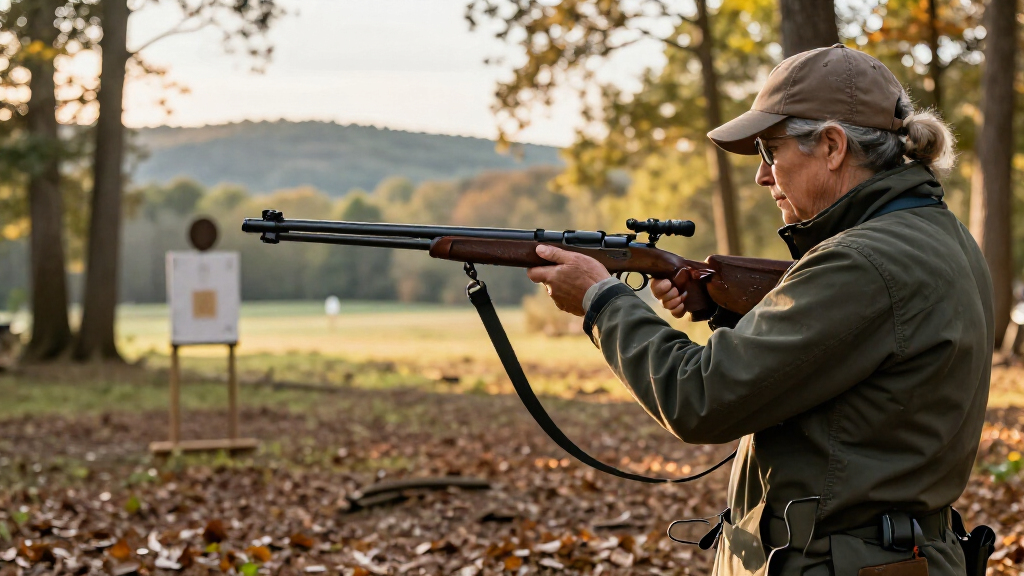
Before the fall deer season, the author passed a local hunter education class, selected a Remington Model 700 rifle in .30/06 with McKean’s help, and practiced during the summer. McKean also advised him on equipment, including a scope, sling, bipod, ammunition and binoculars. They agreed to keep shots within about 250 yards. The author says he practiced to that distance and felt comfortable, though he was uncertain how he would shoot away from a bench.
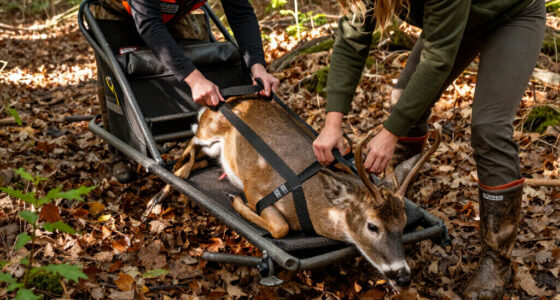
The first day brought deer sightings but no settled opportunity. On the second day, the author missed a shot at a small buck, then spotted another deer bedded in a coulee. With McKean’s instruction on wind and terrain, he stalked to a reported distance of 243 yards and shot the buck when it stood. McKean showed him how to field dress the animal, and they dragged it out together. The account also says they later skinned and butchered the deer, with the author describing meat as his main reason for hunting.
A Late Start Becomes a First Hunt
The account offers a concrete example of how an adult can enter hunting without having learned as a child. Its central practical point is that the author did not go straight from interest to a shot: he completed hunter education, practiced, received help choosing equipment and hunted with an experienced mentor. Those steps matter to readers who may be curious but unsure how to begin, particularly where local rules, firearms safety and field skills need to be learned before a hunt.
The story also describes learning as more than taking an animal. The author says he enjoyed hiking, glassing, working out an approach and spending time with his mentor, even as the first day produced no shot and the second began with a miss. His experience is one person’s account, not evidence that every beginner will have the same opportunities or results. But it shows how instruction and preparation can make a first season more manageable and how hunting can involve both skill-building and obtaining meat.
As an affiliate, we earn on qualifying purchases.
From Interest to Field Preparation
The author had lived in a small Montana town for more than a decade, where, he writes, hunting was a common subject of conversation. He was not short of invitations, but wanted to learn a style centered on moving quietly through the landscape and approaching deer. That preference shaped his choice to ask McKean, whose hunts he had followed and whose approach seemed to match what he wanted to learn.
The preparation described in the report included classroom instruction, practice and agreed limits for the hunt. The author’s rifle practice took place over the summer, with more time together at the range as the season approached. He also learned field techniques during the hunt, including using terrain for concealment, paying attention to wind and crawling close to deer. A previous knee injury slowed him, he writes, but did not prevent him from participating.
““Not yet,” I’d say. “I’m waiting for the right person to show me how.””
— The author, in Outdoor Life
As an affiliate, we earn on qualifying purchases.
What the Account Leaves Open
The article is a first-person account of one hunter’s experience, not a guide to the legal requirements for every reader. It does not set out the licensing rules, season dates or firearm regulations that apply outside the author’s local hunt; those details vary by location and should be checked with the relevant wildlife agency. The report also does not provide a broader measure of how many adults begin hunting later in life or how common mentorship arrangements are.
The account does not state the deer’s weight, the amount of meat recovered or the full details of how the meat was processed and stored. It also does not establish that a beginner should attempt a particular distance or hunting method. The author’s reported 243-yard shot followed practice and instruction and reflects his situation, not a general recommendation.
As an affiliate, we earn on qualifying purchases.
Lessons Beyond the First Deer
The report ends with the author’s first buck being field dressed, skinned and butchered with McKean’s help. It does not announce a further hunt or a new program. The immediate next steps for anyone inspired by the account are local and practical: check current regulations with the relevant wildlife agency, complete any required hunter education, practice safely, and seek instruction from a qualified, experienced mentor. The article’s account makes clear that preparation began well before the first day in the field.
For the author, the first hunt also supplied experience he did not have before: he learned from a missed shot, adjusted to terrain and wind, and took part in processing the animal. Whether he continues hunting is not specified in the report. His story closes on the result of a long-delayed first attempt, rather than a claim about what every new hunter should expect.
As an affiliate, we earn on qualifying purchases.
Key Questions
Who is the new hunter in the Outdoor Life report?
He is a 48-year-old Glasgow, Montana, resident who had been interested in hunting but had not learned as a child. The report does not name him in the supplied text.
Who taught him to hunt?
Andrew McKean, Outdoor Life’s hunting editor, agreed to mentor him. The two knew each other through their children and the local school community.
What preparation did he complete?
He passed a local hunter education class, selected a rifle with McKean’s help and practiced during the summer. They also discussed equipment and agreed to keep shots within about 250 yards.
How did the first deer hunt go?
The pair saw deer on the first day but did not get a settled shot. On the second day, the author first missed a small buck, then stalked another deer to a reported distance of 243 yards and harvested it when it stood.
Does the report give hunting rules for other locations?
No. The account describes a hunt in Montana but does not explain requirements for other places. Readers should check current local regulations and any hunter education requirements with the relevant wildlife agency.
Source: rss
Halloween Picks
halloween
As an affiliate, we earn on qualifying purchases.