TL;DR

Get sports gear delivered free — and shop member deals
- Fast, free delivery on millions of items
- Access to Prime Big Deal Days deals on October 6–7
- Prime Video, Amazon Music and more included
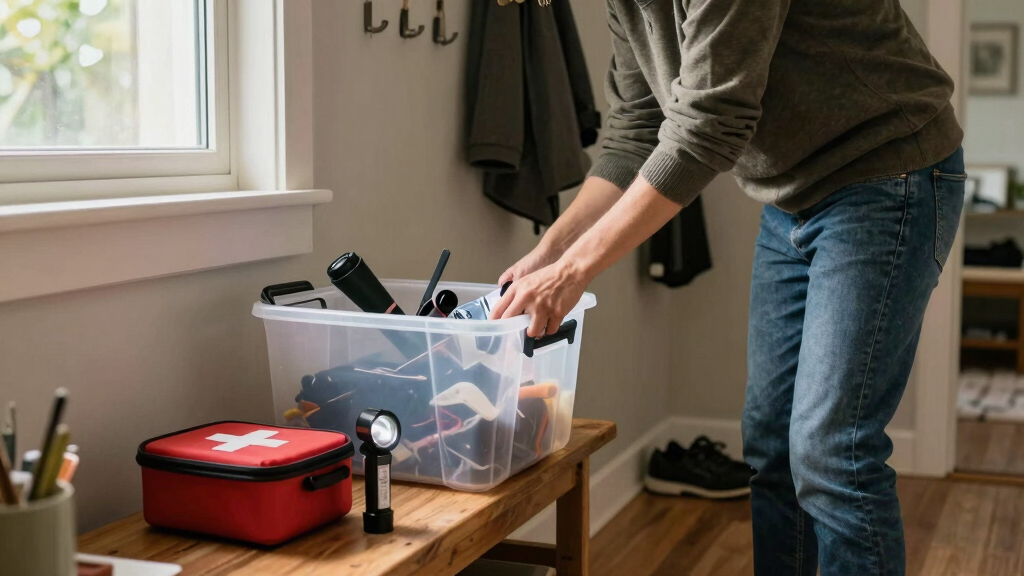
A straightforward, step-by-step home preparedness checklist increases the chances you’ll actually finish it. Focus on essential tasks, regular reviews, and using smart tools to stay on track—because simplicity beats complexity every time.
The Simple Home Preparedness Checklist That Actually Gets Finished
Simplicity beats complexity every time. Long emergency lists stall people out. A short, step-by-step plan focused on water, food, first aid, communication, and safety is more likely to get completed, reviewed, and trusted when the lights go out.
Essential areas cover most household disruptions without turning preparedness into a second job.
FEMA recommends at least three days of supplies, with many households choosing a longer cushion.
“The best checklist is the one your household will actually finish.”
Per person, per day, for drinking, cooking, and hygiene.
Shelf-stable meals reduce resupply stress during disruptions.
Update supplies, contacts, documents, and batteries twice yearly.
Weekly mini-goals turn overwhelm into visible progress.
One neighbor contact can strengthen the local safety net.
The five must-do tasks that keep you ready.
Preparedness works best when it has a clear ceiling. Start with the essentials, finish them, then improve the plan over time. The tradeoff is less perfection, but far more completion.
Store the baseline
At least 1 gallon per person per day for 3 days. Add a 5-gallon jug if your current stash runs short.
Pick shelf-stable calories
Rice, canned beans, energy bars, nut butter, and ready-to-eat meals keep the plan practical.
Check what expires
Bandages, antiseptic, medications, gloves, and pain relief only help if stocked and current.
Make one meet-up plan
Save emergency contacts, choose a family meeting point, and keep backup charging options.
Test the basics
Locks, smoke detectors, flashlights, batteries, and alarms prevent small hazards from escalating.
Turn “I should” into “it’s done.”
Tiny Wins SystemIdentify
Write the five main tasks on one page or in one app.
Break Down
Split each task into buy, check, replace, and store.
Schedule
Assign one small task per week instead of buying everything at once.
Mark Done
Use a checklist, spreadsheet, or app so progress stays visible.
Why simple plans win when motivation fades.
People often abandon preparedness because the list feels endless. A compact checklist creates momentum, while reminders and shared planning keep it alive after the first weekend of enthusiasm.
DIY preparedness vs. community preparedness.
A household plan is fast to start and easy to tailor. A neighborhood plan takes coordination, but it can fill gaps one home cannot solve alone.
| Decision Point | DIY Household Plan | Community Plan | Best Use |
|---|---|---|---|
| Speed to start | ✓Fast, private, and easy to tailor. | ~Requires outreach and basic coordination. | Start DIY this week, then add one neighbor contact. |
| Resource coverage | ~Strong for your home, but gaps can remain. | ✓Shared tools, shelter ideas, and local information. | Useful for storms, outages, and wider disruptions. |
| Complexity risk | ✓Simple if limited to the five core areas. | ✗Can stall if meetings become too formal. | Keep the group list short and action-focused. |
| Motivation | ~Depends on personal reminders and routines. | ✓Shared accountability can keep people engaged. | Pair calendar reviews with neighbor check-ins. |
The six-month review prevents quiet decay.
A finished checklist can become stale. Twice-yearly reviews catch expired medication, dead batteries, outdated contacts, and household changes before they matter.
Replace
Refresh water, food, medications, batteries, and first aid items that are used up or expired.
Update
Revise contacts, meeting spots, documents, pet needs, and household responsibilities.
Rehearse
Run a short drill so everyone knows where supplies are and what happens first.
Effort level by checklist style
How do I start without overwhelm?
Begin with one or two tasks, such as buying water or checking the first aid kit, then build weekly.
What belongs in the kit?
Water, non-perishable food, first aid, flashlight, batteries, medications, and key documents.
How often should I update it?
Review every six months, plus after major life changes, severe weather, moves, or supply use.
From first purchase to household confidence.
The checklist works because each step connects to the next. Visible progress becomes a routine, and routine becomes readiness.
Store the daily baseline.
Add shelf-stable meals.
Check first aid and meds.
Save numbers and meet-up spots.
Test locks, alarms, and lights.
Refresh every six months.
Key Takeaways
- Focus on 5 core areas—water, food, first aid, communication, safety—for a quick, effective plan.
- Break your tasks into small steps, then celebrate each win to stay motivated.
- Regularly review your supplies and plans every six months to keep them fresh.
- Use simple tools like checklists or apps to track progress and avoid overwhelm.
- Coordinate with neighbors for shared resources, creating a stronger local safety net.
emergency water storage containers 1 gallon
As an affiliate, we earn on qualifying purchases.
As an affiliate, we earn on qualifying purchases.
Why Simplicity Wins in Home Preparedness
When your goal is to be ready, complexity kills motivation. A simple, clear checklist keeps you focused, reduces stress, and makes the process feel manageable. Think about it—if your list is 10 things, you’re more likely to do them than if it’s 50.
For example, instead of trying to gather every possible item, prioritize essentials like water, food, and first aid. This focus ensures your efforts are effective and manageable, especially during emergencies when stress and time are limited. The tradeoff? You might not cover every possible scenario, but you significantly increase your chances of being prepared for most common emergencies. Simplifying also means you’re less likely to feel overwhelmed or give up, which is crucial because the real goal is consistent, ongoing readiness—not perfection.
7-day shelf-stable emergency food supply kit
As an affiliate, we earn on qualifying purchases.
As an affiliate, we earn on qualifying purchases.
The 5 Must-Do Tasks That Keep You Ready
Here’s the core of your checklist—just five key areas that cover the basics and are quick to tackle:
- Water Supply: Store at least 1 gallon per person per day for 3 days. Why? Water is critical for drinking, cooking, and hygiene, especially during disruptions. Having enough prevents dehydration and health issues, but overstocking beyond a week might lead to waste or storage problems.
- Food Supplies: Stock non-perishables for a week—think rice, canned beans, energy bars. These items are shelf-stable, easy to prepare, and provide necessary calories. The tradeoff? You won’t have gourmet meals, but you’ll sustain your household during a crisis without constant resupply needs.
- First Aid Kit: Basic supplies, including bandages, antiseptic, and medications. Properly stocked first aid supplies can mean the difference between minor injuries and infections or complications. Regularly checking and replenishing it ensures readiness, especially since expired or depleted items won’t be effective when needed most.
- Communication Plan: Have a family meetup spot and ensure everyone has a charged cell phone and emergency contacts saved. Clear communication reduces chaos and confusion during emergencies. The tradeoff? It requires some planning and periodic updates but can be lifesaving when disaster strikes.
- Safety and Security: Check your locks, smoke detectors, and consider a small home security system. These measures help protect your household from hazards and intrusions. The investment in safety devices is small compared to the potential cost of injuries or theft, and regular maintenance keeps them reliable.
For example, during a recent storm, a friend realized they only had enough bottled water for two days. They added a 5-gallon water jug, which provided peace of mind and extended their preparedness. This illustrates how focusing on the essentials and understanding their importance can make your plan more resilient.
As an affiliate, we earn on qualifying purchases.
How to Break Down Your Checklist Into Tiny Wins
Big tasks become less intimidating when broken into small, focused steps. For instance, instead of trying to buy everything at once, set weekly goals. Week 1: buy water. Week 2: stock canned goods. Week 3: check your first aid kit. This approach reduces overwhelm and makes progress feel achievable.
Using a simple spreadsheet or app helps track your progress visually, providing a sense of accomplishment with each completed task. Celebrating small wins—like finally finding that flashlight you lost last year—reinforces positive habits and keeps motivation high. Over time, these tiny victories build a comprehensive, reliable preparedness plan without feeling burdensome.
Here’s a quick step-by-step:
- Identify your main tasks.
- Break each into smaller steps (buy, check, replace).
- Set a realistic timeline for each step.
- Celebrate each completion to reinforce your progress.
As an affiliate, we earn on qualifying purchases.
Compare Your Options: DIY vs. Community Preparedness
| DIY Approach | Community Approach |
|---|---|
| Focus on your household supplies and plans. This allows for tailored solutions that directly address your specific needs and space constraints. However, it might leave gaps if neighbors have resources you lack or vice versa. | Coordinate with neighbors for shared resources and info. This can create a stronger safety net, especially in larger-scale emergencies. The tradeoff? It requires communication, trust, and some organizational effort, but it often results in more comprehensive coverage and resilience. |
| Simple, tailored to your needs. | Often more comprehensive and resilient. |
| Easy to start, quick wins. | Better in larger-scale emergencies. |
For example, your family might stock enough water and food for a week, but a neighborhood group might organize a community shelter or resource-sharing system that boosts everyone’s safety and access to supplies. This collaborative approach can fill gaps and reduce individual burdens, but it requires ongoing communication and cooperation to be effective.
Keep It Fresh: Regular Reviews That Keep Your Plan Alive
Your preparedness plan isn’t a one-and-done task. It’s a living document that needs regular updates to remain effective. Set a reminder every six months to review supplies, update contact info, and practice drills. This periodic check ensures that your plan adapts to changes in your household or regional risks.
For example, replace expired medications, swap out used batteries, and revise your plan if a new family member joins or regional risks change. These routine updates prevent complacency and ensure your preparedness remains relevant and reliable. Embedding these reviews into your calendar or seasonal routines makes it easier to stay consistent, turning preparedness into a habit rather than a chore.
The tradeoff? It takes a small investment of time, but the payoff is peace of mind and readiness when it matters most. Regular reviews catch small issues before they become big problems, making your plan more resilient over time.
Frequently Asked Questions
How do I start creating a home preparedness plan without feeling overwhelmed?
Begin with just one or two small tasks, like buying extra bottled water or checking your first aid kit. Break larger goals into weekly mini-projects, and celebrate each step. Over time, these small wins add up to a solid plan you’ll stick with.
What are the most critical items to include in an emergency kit?
Focus on water (at least 1 gallon per person per day for 3 days), non-perishable food, a first aid kit, flashlight and batteries, essential medications, and copies of important documents. These essentials cover most basic needs during a crisis.
How often should I review and update my preparedness checklist?
Set a reminder to review your plan every six months. Update supplies, check expiration dates, and revise contact info. After major weather events or life changes, do a quick refresh to stay ready.
What are common obstacles to completing a checklist, and how do I overcome them?
Time constraints and procrastination are common issues. Overcome these by scheduling small, specific tasks into your weekly routine. Use reminders and involve family members to stay accountable.
Are there resources or templates to help me build my checklist?
Yes. FEMA, the Red Cross, and local emergency agencies offer free, ready-made templates and guides. Use these as a starting point, then customize to your household’s needs.
Conclusion
Getting prepared doesn’t have to be complicated or overwhelming. Keep it simple, focus on the essentials, and stay consistent. When you finish a small task, you build confidence—and that momentum compounds.
Picture yourself confidently handling the unexpected, with a clear plan and a stocked, ready home. That’s the real goal—peace of mind that’s actually within reach.
Fall Picks
fall essentials
As an affiliate, we earn on qualifying purchases.