TL;DR

Get sports gear delivered free with Prime
- Fast, free delivery on millions of items
- Prime Video, Amazon Music and more included
- Member-only deals all year
USDA Wildlife Services removed nine gray wolves from Flambeau Township in Price County in August and September at the Wisconsin DNR’s request, following reports of increasingly habituated behavior and failed deterrence efforts. The Great Lakes Indian Fish and Wildlife Commission criticized the lack of tribal involvement, while a former state wolf program leader called the action reasonable. Officials have not publicly released detailed information about each incident.
USDA Wildlife Services removed nine gray wolves from Flambeau Township in Price County, Wisconsin, in August and September at the request of the state Department of Natural Resources, after the agency documented repeated concerns about human safety. The removals, which officials say followed unsuccessful attempts to deter the wolves, have prompted criticism from a tribal wildlife commission over the decision-making process and calls for more public information.
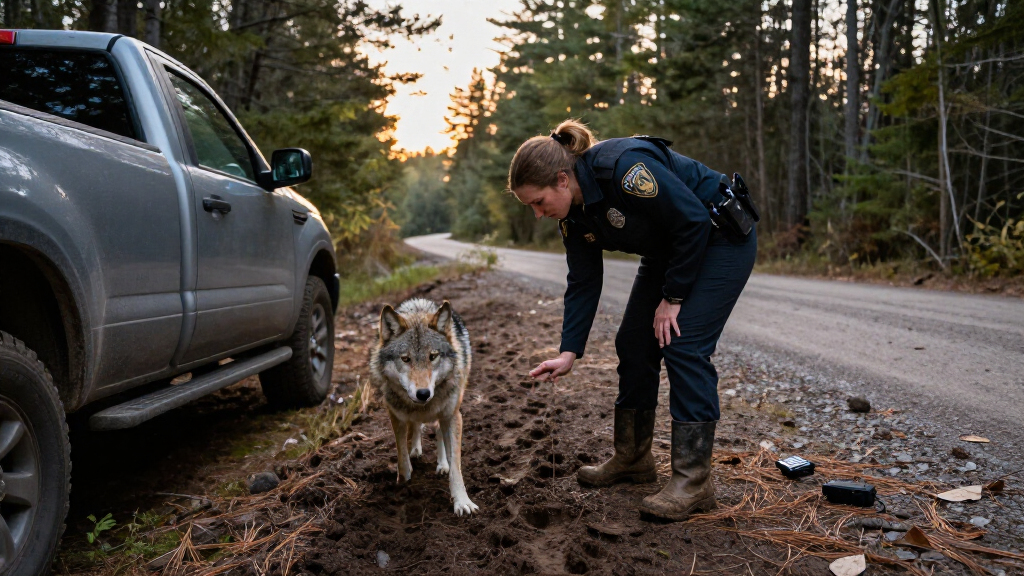
The Wisconsin DNR said the wolves showed signs of increasing habituation to people from July 2025 through August 2026. In one reported incident, a homeowner found trail-camera images of wolves directly behind his house. Another account, reported by the Wisconsin Examiner, described a wolf approaching within 20 yards of a man operating a tractor while mowing brush. The DNR’s statement characterized the incidents as verified threats to human health and safety.
Before the removals, residents and agencies tried non-lethal deterrents, including noise harassment, additional lighting and removing potential attractants. Residents followed recommendations from the DNR and Wildlife Services, but the measures did not resolve the behavior, according to an email from DNR large carnivore specialist Randy Johnson. The source report says the animals were becoming less responsive to hazing. It does not establish that any person was injured.
The DNR and Wildlife Services did not release further details about the removals beyond identifying Flambeau as the location. The wolves were likely members of the same pack, according to Outdoor Life’s report, but officials have not publicly confirmed that. The state worked with the U.S. Fish and Wildlife Service to transfer the animals’ remains to the Great Lakes Indian Fish and Wildlife Commission, which said it opposed the removals.
Safety Decisions Draw Tribal Objection
The action highlights how wildlife agencies weigh public safety against the protection of gray wolves, which remain protected under the federal Endangered Species Act, according to the source report. In Wisconsin, lethal removal is permitted only when a threat to human safety is involved. The reports of wolves near homes and people, coupled with the failure of deterrents, formed the stated basis for the intervention.
The decision also carries consequences for the relationship between state and federal agencies and tribal governments. The Great Lakes Indian Fish and Wildlife Commission (GLIFWC) said the removal process damaged trust and argued that transferring the remains after the fact was not a substitute for consultation. The disagreement makes how agencies share information and involve tribes a central issue alongside the wildlife-management decision itself.
Public information can help residents understand what behavior prompted official action and what precautions are advised. Laurie Groskopf, a Tomahawk resident who has followed wolf conflicts, told Outdoor Life that limited disclosure makes it harder for people to take precautions and can deepen negative views of wolves and the agencies managing them. The available reporting does not show what additional public guidance, if any, the DNR provided to nearby residents.
As an affiliate, we earn on qualifying purchases.
Escalating Reports Preceded Removal
The reported incidents fit into a longer sequence: the DNR said it documented concerning behavior between July 2025 and August 2026, with the trail-camera report dated Aug. 12. The source account says online records showed Level 2 and Level 3 behaviors in mid-August. Those classifications distinguish degrees of habituation and contact: Level 3 describes non-threatening behavior with more human contact than is considered ideal, while Level 2 refers to non-aggressive habituation. Level 1 involves aggressive behavior toward people.
Certified wildlife biologist Adrian Wydeven, who led Wisconsin’s wolf recovery and management program from 1990 to 2013, said the agencies may have acted to prevent a more serious threat. He told Outdoor Life that removing the group could be more effective than leaving young wolves that had learned to approach people. Wydeven described the decision as reasonable, while acknowledging that predicting wildlife behavior is difficult. His view is an expert assessment, not a finding that an attack was certain.
Groskopf cited earlier Wisconsin cases involving wolves near a train yard and a dairy operation, where trapping had mixed results. Those examples provide background on the use of conflict interventions, but they are separate incidents and do not establish what would have happened in Flambeau.
“This action damages existing relationships and fractures trust.”
— Jason Schlender, executive administrator of the Great Lakes Indian Fish and Wildlife Commission
As an affiliate, we earn on qualifying purchases.
Incident Records Remain Limited
The agencies have not publicly provided a detailed account of each incident, the precise basis for classifying the situation as a human-safety threat, or the operational details of the removals. The source material does not report injuries, and it does not confirm that all nine wolves belonged to one pack. It also does not identify whether any individual wolf displayed aggressive behavior; the available classifications described in the report include Level 2 and Level 3 behavior.
The timing and extent of tribal consultation before the decision are disputed in public statements. GLIFWC says the agencies should have involved the commission and its member tribes in decision-making; the material provided does not include a detailed response from the DNR or Wildlife Services to that criticism. It is also unclear whether the agencies plan to release additional incident records or revise their consultation practices.
As an affiliate, we earn on qualifying purchases.
Requests for Disclosure and Consultation
The immediate next issue is whether the Wisconsin DNR and USDA Wildlife Services will provide more detail about the reported incidents, deterrence attempts and decision to remove the wolves. No further agency disclosure or review timetable is specified in the source material, so it is not clear when residents or tribal representatives may receive more information.
GLIFWC has called on the DNR and Wildlife Services to involve the commission and its member tribes in future decisions. The dispute may shape discussions about how agencies communicate wildlife conflicts and consult tribal governments, but no policy change has been announced. Residents should follow guidance issued by local and state wildlife officials as more information becomes available.
As an affiliate, we earn on qualifying purchases.
Key Questions
Why were nine wolves removed in Wisconsin?
The Wisconsin DNR said it requested the removals after documenting repeated human-safety concerns in Flambeau Township and after non-lethal deterrents failed to change the wolves’ behavior.
Did the reported incidents involve an attack or injury?
The source material describes wolves behind a home and one wolf approaching a person on a tractor. It does not report an injury or confirm that an attack occurred.
Were all nine wolves from the same pack?
They were described as likely belonging to the same pack, but officials have not publicly confirmed that.
Why did the tribal wildlife commission object?
The Great Lakes Indian Fish and Wildlife Commission said the removals damaged trust and called for tribal involvement in agency decision-making. It argued that receiving the remains afterward did not amount to meaningful consultation.
What happens next?
The source material does not give a schedule for further disclosure or a policy review. GLIFWC has asked the agencies to involve the commission and its member tribes in future decisions.
Source: rss
Halloween Picks
halloween
As an affiliate, we earn on qualifying purchases.