TL;DR

Get sports gear delivered free with Prime
- Fast, free delivery on millions of items
- Prime Video, Amazon Music and more included
- Member-only deals all year
An Oct. 30 Outdoor Life report says hunting near a buck’s daytime bedding area during the rut can be an option, but success depends on understanding how the buck uses cover and detecting danger. The approach is especially difficult with mature bucks, and the report does not provide a single strategy that works across habitats.
Outdoor Life published guidance on Oct. 30 about whether hunters should approach a buck’s daytime bedding area during the rut, concluding that the choice depends on the terrain, the deer’s habits and a hunter’s ability to enter without alerting it. The tactic may put hunters near a buck’s daytime location, but mature bucks are particularly difficult to approach because their bedding choices help them detect danger.
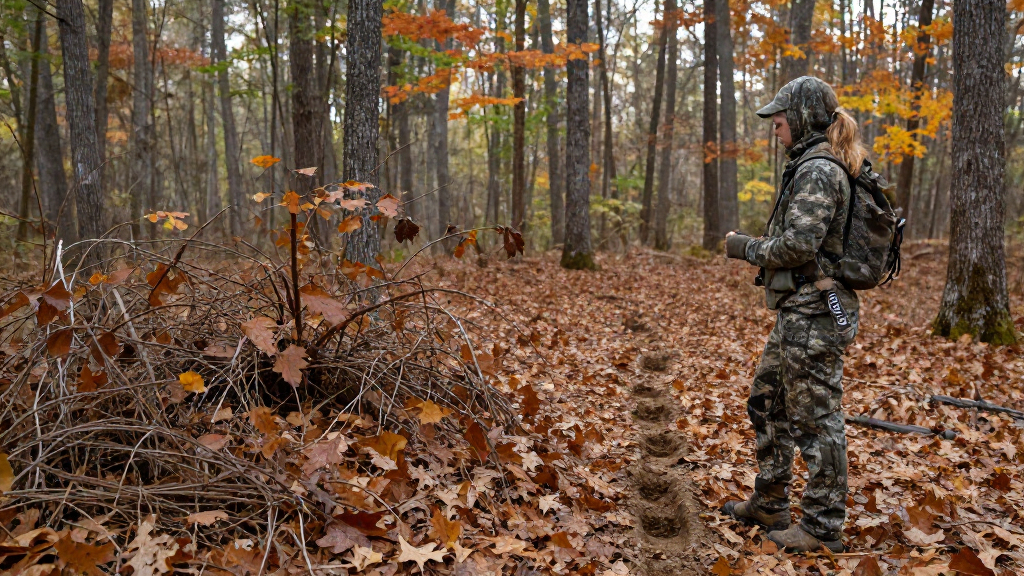
The report distinguishes daytime beds from places deer use at night and describes buck bedding as a security-first choice. Depending on habitat, a buck may bed on a ridge, on high dry ground in a swamp, or in thick timber. Cover that hides the deer’s body, along with a log, boulder or other feature that breaks up its outline, can add concealment.
Outdoor Life says bucks often bed with the wind at their back, allowing them to smell danger from behind while watching the area in front. On a leeward ridge, wind and morning thermals may carry scent from different directions. The report also says bucks can choose beds near the edge of thick cover, where they have concealment but can see into nearby open ground.
Bed reuse varies, according to the report. Bucks may return to familiar areas, but the exact beds they use can change. Citing research from the MSU Deer Lab, Outdoor Life says bucks in areas with more timber relative to open land and in larger forest settings are less loyal to particular beds, while still tending to remain within the same general locations.
The Cost of Getting Too Close
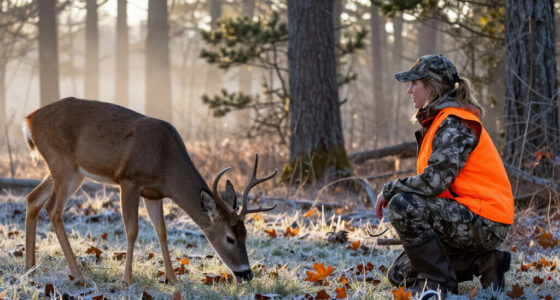
A bedding-area hunt can place a hunter near a buck’s daytime refuge, but that proximity also raises the chance of disturbing the deer before it moves into range. The report’s central point is conditional: the location is a possible rut-season target, not a dependable shortcut. A hunter needs a sound read on wind, terrain, cover and likely approach routes before deciding whether to hunt there.
The risk may be greater with an older buck. Outdoor Life says mature bucks tend to seek seclusion and can be difficult to hunt close to their beds because they have learned to survive through their choices of where and how to bed. The article does not quantify the odds of success or disturbance, so it supports caution rather than a guarantee that a bedding-area setup will produce an opportunity.
Products Worth Considering

Therabody JetBoots Prime Wireless Compression Boots – Short (under 29 inseam)

Garmin GHC 50 Marine Autopilot Touchscreen Display

Garmin Index BPM Smart Blood Pressure Monitor
As an affiliate, we earn on qualifying purchases.
How Bucks Choose Day Beds
The report contrasts buck and doe bedding. Does may bed and travel in family groups, with animals facing different directions, while bucks often bed alone and rely more on their own senses and the security of the site. In shared cover, bucks may select what they perceive to be the best-quality bedding locations. These are general tendencies described in the report, not rules that identify a bed in every landscape.
Habitat and deer density can change where a buck settles. Outdoor Life says older bucks may seek secluded areas and, where doe numbers or overall deer density are high, may bed on the fringes, particularly outside the rut. It also notes that individual deer can show different rutting behavior, including older bucks that appear to participate little. That variation makes local observation important and limits how far hunters can apply one pattern to another area.
What a Bedding Setup Cannot Predict
The report does not identify a universal distance from a bed at which a hunter should set up, or provide a field-tested formula for entering a site without being detected. It also does not establish that a buck will use a particular bed on a given day. The cited research concerns differences in bed-site loyalty across habitat types; the supplied material gives no sample size, measurement period or numerical results.
It remains uncertain whether a specific buck will move during legal hunting hours, how its routine will change during the rut, and whether the wind and access conditions will remain favorable. The article frames these as decisions that depend on the individual deer and landscape, rather than confirmed outcomes.
Decide From Local Conditions
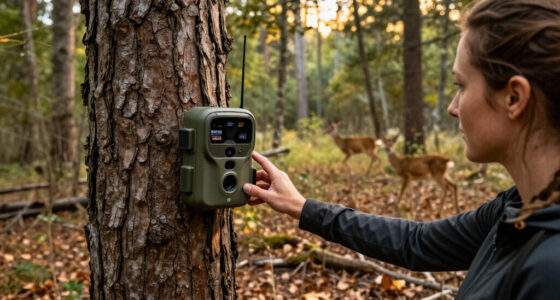
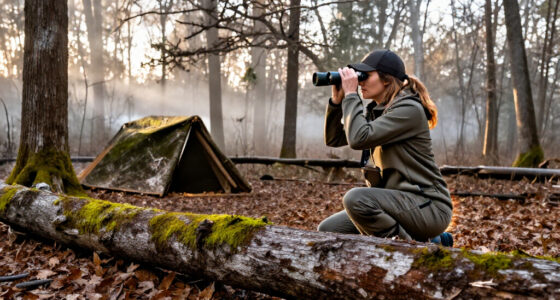
For hunters considering the tactic, the report points toward evaluating the specific cover and terrain, looking for signs of where bucks bed, and accounting for wind and the route into the area. Its advice is not to assume that a bedding location is fixed or that a buck will tolerate close pressure. If the approach risks carrying scent or movement into the bed, the potential opportunity may not justify the disturbance.
Outdoor Life does not announce a later study or scheduled follow-up in the supplied report. The practical next step is continued observation of local deer activity and adjusting the plan to the habitat and conditions on the day of the hunt.
Key Questions
Is hunting a buck’s bedding area during the rut recommended?
Outdoor Life presents it as one possible tactic, not a blanket recommendation. Whether it makes sense depends on the buck, terrain, wind and the hunter’s ability to approach without alerting the deer.
How does a buck’s bedding area differ from a doe’s?
The report says bucks often bed alone and prioritize security, while does may bed in family groups. The distinction is a general pattern; bedding locations vary with habitat and local conditions.
Do bucks reuse the same beds?
Some may return to familiar areas, but the exact bed can vary. Outdoor Life, citing the MSU Deer Lab, says bucks in large-woods settings and areas with more timber relative to open land are less loyal to specific beds.
Why are mature bucks harder to hunt near bedding cover?
According to the report, older bucks tend to seek seclusion and use bedding locations that help them detect danger. That can make a close approach more challenging, though the article does not quantify the risk.
Source: outdoorlife.com