TL;DR

Get sports gear delivered free — and shop member deals
- Fast, free delivery on millions of items
- Access to Prime Big Deal Days deals on October 6–7
- Prime Video, Amazon Music and more included
For outages lasting more than a night, pack essentials like water, non-perishable food, lighting, backup power, warm clothing, and communication devices. Being prepared reduces stress and keeps you safe during extended blackouts.
When the power cuts out unexpectedly, it’s easy to feel caught off guard. The fridge stops humming, lights vanish, and your entire routine flips upside down. But the real challenge begins if the outage drags into a second or third night.
You need more than just a flashlight—your survival depends on what you’ve packed ahead of time. This guide cuts through the chaos, focusing on the gear you must have to stay safe, warm, and connected for days on end. Ready to turn your preparedness from basic to battle-ready? Let’s dive in.
What to Pack When the Power Goes Out for More Than One Night
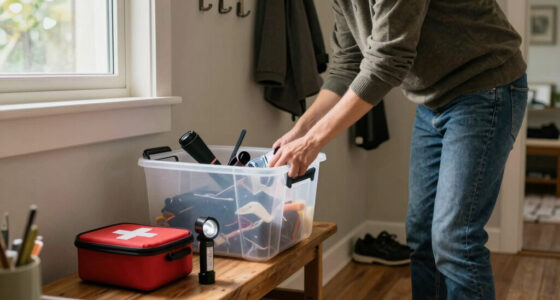
For outages lasting into a second or third night, a flashlight is not enough. Pack water, shelf-stable food, lighting, backup power, warm layers, hygiene supplies, first aid, and communication tools so your home can stay safe, calm, and connected.
Preparedness turns a blackout from chaos into a checklist.
The goal is not comfort alone. It is hydration, nutrition, warmth, information, safe cooking, and enough backup power for critical devices.
Gallons per person for a basic three-day outage plan.
Closed fridge and freezer doors slow temperature rise.
Pair storage with renewable charging for multi-day resilience.
Blankets, sleeping bags, and draft sealing help prevent hypothermia.
The six categories that keep a household functional.
Build the kit around survival needs first, then comfort. Each category below solves a specific failure point when grid power, refrigeration, lighting, and routine communication disappear.
Store clean containers
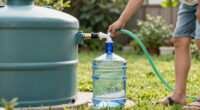
Pack at least one gallon per person per day for drinking and sanitation. Rotate stored water every six months.
Choose shelf-stable meals
Canned beans, dried fruit, granola bars, rice, pasta, and instant meals stay usable without refrigeration.
Layer your lighting
Use headlamps for tasks, lanterns for rooms, and hand-crank flashlights when batteries run low.
Back up essentials
Power banks, solar chargers, and portable power stations keep phones, radios, medical aids, and small devices alive.
Pack first aid and hygiene
Include medications, bandages, antiseptic, wet wipes, sanitizer, and sanitation supplies to reduce infection risk.
Create a heat barrier
Thermal layers, blankets, sleeping bags, curtains, and draft blockers help conserve body and room heat.
Pack in the order your needs become urgent.
A multi-night outage rewards sequencing. Stabilize the body first, then the room, then the information and power systems that help you make better decisions.
Water
Hydration and sanitation come first, especially in stress or cold.
Food
Use easy meals that require little or no cooking.
Light
Prevent injuries and make nighttime tasks manageable.
Heat
Layer clothing and seal drafts before indoor temperatures drop.
Signal
Keep radios, phones, and backup chargers ready for alerts.
Match the power source to the device you must keep alive.
Portable power is a tradeoff between capacity, weight, cost, and recharge options. The best setup usually combines a charged battery with solar support.
| Power Source | Best For | Advantages | Limitations | Multi-Day Fit |
|---|---|---|---|---|
| Portable Power Banks | Phones, headlamps, small USB devices | ✓ Lightweight and easy to store | ~ Limited capacity | Good backup layer |
| Solar Chargers & Panels | Recharging banks, radios, lanterns | ✓ Renewable and silent | ~ Weather-dependent | Strong when paired with storage |
| Portable Power Stations | Medical aids, radios, small appliances | ✓ Higher capacity for critical gear | ✗ Heavier and more expensive | Best primary backup |
| Fuel Generator | Higher-load appliances outdoors | ✓ Powerful when fuel is available | ✗ Carbon monoxide risk indoors | Useful with strict ventilation |
Where your packing effort pays off most.
The longest outages expose weak systems quickly. Water, warmth, information, and device power carry the highest safety value across most households.
Do not bring outdoor combustion indoors.
Camping stoves, grills, and generators can produce carbon monoxide. Cook outside, keep devices away from windows, and test smoke and carbon monoxide detectors before storm season.
Protect the things that fail quietly.
Food spoilage, dehydration, and cold exposure build gradually. Simple rules help you avoid waste and reduce health risk when the outage stretches past the first night.
Keep food safe without refrigeration
Treat the fridge like an emergency cooler. Every opening releases cold air and shortens the safe window.
- Keep fridge and freezer doors closed as much as possible.
- Use coolers with ice packs when available.
- Cook outdoors only, away from doors and windows.
Keep water clean and usable
Stored water only helps if it stays sealed, clean, and rotated before it becomes questionable.
- Use clean plastic jugs or bottles with tight lids.
- Rotate stored water every six months.
- Keep purification tablets or a filter as a backup.
Stay warm in a cold outage
Layering and insulation are often safer and more reliable than improvised heat sources.
- Wear thermal base layers, sweaters, and insulated outerwear.
- Use blankets and sleeping bags at night.
- Seal drafts with towels, curtains, and weatherstripping.
Stay reachable if networks fail
Cell service can weaken during major outages, so keep backup channels ready.
- Pack a battery-powered or hand-crank radio.
- Charge phones and power banks before storms.
- Consider a satellite messenger for remote areas.
Traceability Chain
Use this packing chain as a quick audit: every item should connect to a survival function, not just a vague sense of preparedness.
Key Takeaways
- Always have enough water and non-perishable food to last at least 3 days per person.
- Invest in a portable power station and solar chargers for reliable, sustainable power.
- Prepare your home for cold weather outages with proper insulation and safe heating sources.
- Keep communication devices like radios and satellite messengers ready to go.
- Use creative, eco-friendly solutions like solar lanterns and hand-crank flashlights for lighting.
portable LED flashlight for emergency
As an affiliate, we earn on qualifying purchases.
As an affiliate, we earn on qualifying purchases.
Must-Have Emergency Supplies for Multi-Day Power Outages
When the lights go out for more than one night, your first priority is staying alive and comfortable. That means packing enough water, food, and basic supplies to get you through.
Plan for at least one gallon of water per person per day. This ensures hydration, which is critical for maintaining bodily functions, especially in stressful or cold conditions where dehydration can worsen. Stockpile canned goods, dried fruits, and instant meals—these are not only easy to prepare but also long-lasting, giving you flexibility in meal planning when cooking options are limited. Keep a variety of batteries, solar-powered lights, and a hand-crank radio handy because these tools are your lifelines to information and illumination when grid power is unavailable. Don’t forget a well-stocked first aid kit and personal hygiene items like wet wipes and hand sanitizer; these prevent infections and maintain hygiene when water is scarce. Each of these essentials addresses a specific survival need—hydration, nutrition, safety, and communication—forming the backbone of your preparedness plan.
Imagine a cold winter night. Without proper supplies, you risk hypothermia, which can be fatal if not addressed promptly. With a warm blanket, a good sleeping bag, and layered clothing, you create a barrier against the cold, turning what could be a dangerous situation into a manageable inconvenience. These items are investments in safety that can mean the difference between a night of discomfort and a life-threatening emergency.
water storage containers for disaster prep
As an affiliate, we earn on qualifying purchases.
As an affiliate, we earn on qualifying purchases.
How to Keep Your Food and Water Safe Without Power
- Store water in clean, sealed containers—preferably plastic bottles or jugs. Rotate stock every six months to prevent bacterial growth and ensure freshness. This maintenance is crucial because contaminated water can cause illness, and in an extended outage, access to clean water may be limited.
- Use coolers with ice packs if you have access to ice or frozen foods. Keep the fridge and freezer doors closed as much as possible to maintain cold temperatures and prevent spoilage. Every time you open a door, you risk raising the internal temperature, which can accelerate food spoilage and increase the risk of foodborne illness.
- Rely on non-perishable foods like canned beans, rice, and dried pasta. Use a manual can opener to access these foods. These items are chosen because they do not require refrigeration or cooking, making them ideal for extended outages. Having a variety of these foods ensures balanced nutrition and prevents menu fatigue.
- Cook outdoors with a camping stove or grill, but only outside and away from windows to avoid carbon monoxide buildup. Proper ventilation is essential because carbon monoxide is an odorless, deadly gas that can accumulate quickly in enclosed spaces, especially if using indoor heating or cooking appliances.
- Consider portable solar refrigerators if you want to keep perishables longer, especially in hot weather. These devices use renewable energy, reducing reliance on batteries or generators, and can extend the shelf life of your food, but they require upfront investment and proper placement to maximize sunlight exposure.
Think of your food storage like a mini emergency pantry. When the power’s out, these items become your primary source of nourishment. Proper storage and handling prevent food waste and protect your health, ensuring that your body remains strong and resilient during extended outages. The tradeoff is balancing convenience with safety—prioritizing foods that are both easy to prepare and safe over longer periods.
As an affiliate, we earn on qualifying purchases.
Choosing the Best Power Sources for Extended Outages
| Power Source | Advantages | Limitations |
|---|---|---|
| Portable Power Banks | Lightweight, easy to recharge, great for phones and small devices | Limited capacity, need frequent recharging |
| Solar Chargers & Panels | Renewable energy, silent, great for long-term use | Weather-dependent, initial cost |
| Portable Power Stations | Can run small appliances, high capacity, recharged via solar or AC | Heavier, more expensive, requires planning |
In a prolonged outage, a portable power station becomes your best friend because it offers a reliable source of energy to keep essential devices running. It can power small medical aids, radios, and even small refrigerators, which are critical for health and safety. Pairing it with solar panels not only makes your setup more sustainable but also reduces dependency on grid electricity, which might be unavailable for days or weeks. The tradeoff involves weight, cost, and the need for strategic placement of solar panels to maximize sunlight exposure. Understanding these options helps you weigh the benefits and limitations, ensuring you select the most effective power solution tailored to your situation.
non-perishable emergency food supply
As an affiliate, we earn on qualifying purchases.
As an affiliate, we earn on qualifying purchases.
How to Stay Warm and Safe During Cold Weather Outages
Cold weather outages can be deadly if you don’t prepare. Your first move? Layer up. Use thermal underwear, thick sweaters, and insulated jackets. These layers trap body heat and create a barrier against the cold, which is essential because hypothermia can set in quickly in freezing temperatures. Wrap yourself in blankets, especially at night, to conserve heat. Think of your home as a bunker—sealing drafts with weatherstripping, closing curtains, and using towels to block gaps under doors prevents heat from escaping, maintaining a more stable indoor temperature. Proper insulation and sealing are cost-effective methods to prolong warmth without relying on power-based heating systems, which may be unavailable or unsafe to use indoors.
For heating, a safe propane or wood stove can be a lifesaver—if you have proper ventilation. Never use outdoor grills or generators indoors, as they produce dangerous fumes that can cause carbon monoxide poisoning. Keep emergency heat sources in well-ventilated areas and install or test smoke and carbon monoxide detectors regularly. These precautions are vital because exposure to cold and toxic fumes can lead to serious health consequences or death. Picture a winter storm—your warm clothing and insulated shelter turn a freezing night into a tolerable one, preventing hypothermia and frostbite, both of which can be life-threatening if not addressed promptly.
Creative Ways to Generate Light and Power Without Electricity
- Use solar-powered lanterns and string lights—charge during the day, use at night. These eco-friendly options harness renewable energy, reducing reliance on batteries and ensuring a sustainable light source.
- Keep a stash of hand-crank flashlights and radios—reliable even when batteries die. Their durability and independence from power make them invaluable during prolonged outages.
- Consider DIY wind turbines if you’re in a windy area; they can generate small amounts of power. While more complex to set up, they provide a renewable energy source that can supplement other devices.
- Use candles safely—place in sturdy holders, away from flammable objects, and never leave unattended. Candles are simple but effective, offering ambient light when electric options are unavailable. Always exercise caution to prevent fires.
- Repurpose old bicycle dynamos or hand-crank radios for emergency lighting and charging. These low-cost, manual devices provide independence from batteries and grid power, making them reliable during extended outages.
During a blackout, every lumen counts. These DIY and eco-friendly options not only extend your lighting capabilities but also reduce your reliance on fragile or scarce power sources, ensuring you can see clearly and stay safe in the dark.
How to Stay Connected When Cell Service Fails
Cell service often drops during widespread outages, cutting off access to information and emergency communication. Your best bet? Use a battery-powered or hand-crank radio tuned to emergency channels—these are essential for receiving updates from authorities and weather alerts. Keep your cell phones fully charged and store portable chargers or solar power banks, which can extend your device’s usability when power is scarce. Text messages often go through more reliably than calls because they require less bandwidth, so try texting loved ones to confirm safety and coordinate plans. Consider satellite communicators or walkie-talkies for local communication if cell towers are down; these devices operate independently of traditional networks and can be lifesavers in critical moments. Visualize this: stranded at home, you tune in to a weather update or emergency broadcast, gaining peace of mind knowing you’re informed and connected despite the grid failure. Maintaining communication is not just about convenience—it’s about safety and ensuring help can reach you if needed.
Packing Checklist: The 20 Essentials You Need for Multi-Day Power Outages
- Water (at least 1 gallon per person per day)
- Non-perishable food (canned goods, dried snacks)
- Manual can opener
- Flashlights and headlamps
- Extra batteries
- Portable power bank or solar charger
- Portable power station (if available)
- Battery-powered or hand-crank radio
- Warm clothing and layered insulation
- Sleeping bags and blankets
- Personal hygiene items (wet wipes, hand sanitizer)
- First aid kit
- Essential medications
- Cash in small denominations
- Important documents stored waterproof
- Multi-tool or knife
- Candles and matches
- Portable camping stove or grill (outdoors only)
- Pets’ supplies (food, water, medications)
- Extra phone chargers and adapters
Think of this list as your survival toolkit—covering hydration, nourishment, safety, warmth, and connectivity. Customizing it based on your climate, household size, and specific needs ensures you’re prepared for the unique challenges of extended outages. Prioritizing these essentials helps you balance immediate survival with long-term resilience, giving you peace of mind in uncertain times.
Conclusion
When darkness falls and the grid stays down, your preparedness becomes your lifeline. Stock your kit with essentials, think creatively about power, and keep safety front and center. It’s not about fear; it’s about turning chaos into control.
Get your gear ready now. When the lights go out, you’ll thank yourself for the foresight.
NFL season / tailgating Picks
team gear
As an affiliate, we earn on qualifying purchases.