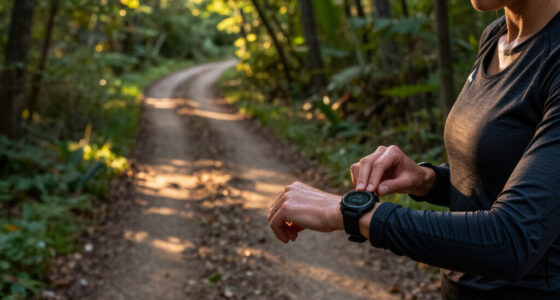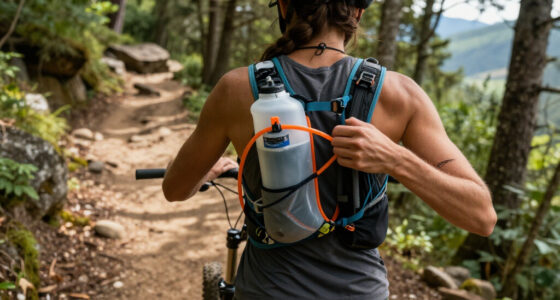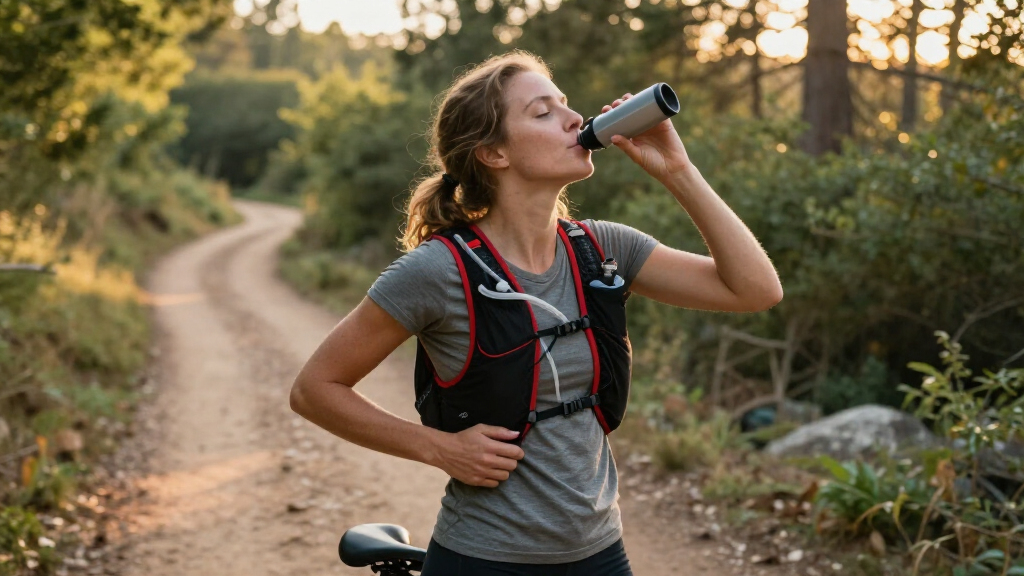

Mountain biking hydration packs range from bare-minimum reservoir carriers to full trail-ready packs with tool storage, and the right choice depends on how long you ride and how much gear you carry. My top pick is the Osprey Raptor 10L, which stands out for its dedicated mountain bike fit, stable ride on rough descents, and enough cargo space for all-day trail sessions. For riders who want hydration without the bulk, the CamelBak Hydrobak keeps things minimal, while the Arctos Lumbar Pack moves the weight to your hips instead of your shoulders — a smart alternative if backpacks make your back sweat. The main tradeoffs in this category are capacity versus weight, back ventilation versus protection, and price versus bladder quality. Read on for the full comparison of all ten packs.

Get sports gear delivered free with Prime
- Fast, free delivery on millions of items
- Prime Video, Amazon Music and more included
- Member-only deals all year
Complete the kit


Key Takeaways
- The Osprey Raptor 10L earned the top spot because it’s the only pack in this lineup purpose-built for mountain biking, with bike-specific tool organization, a suspension system that stays put on chunky descents, and a durable build the budget options can’t match.
- Capacity splits this lineup into three camps: minimal carriers like the CamelBak Hydrobak (water only), mid-size 2L packs like the Zavothy and Unigear (short rides), and the Osprey Raptor’s 10L cargo space for all-day rides with layers, tools, and food.
- The Arctos lumbar pack is the lineup’s biggest design departure, shifting weight from shoulders to hips — better for hot-weather climbing and riders with back problems, but with far less cargo room than any backpack option.
- Bladder quality varied more than pack quality: the premium packs include taste-free, easy-clean reservoirs, while several budget packs ship with bladders that need thorough pre-washing or end up replaced within a season.
- Generic ‘hiking and running’ packs (like the two lightweight 2L models and the Maelstrom vest) can work for casual trail riding, but they lack the compression and load stabilization that keeps a pack from bouncing during technical riding — the main reason they rank lower here.
| Noola Hydration Backpack with 3L Water Bladder, Tactical Pack for Hiking |  | Best High-Capacity Hauler | Material: 900D abrasion-resistant nylon | Water Capacity: 3L | BPA Free: Yes | VIEW LATEST PRICE | See Our Full Breakdown |
| Zavothy Hydration Backpack with 2L Water Bladder for Hiking, Running, Cycling |  | Best Value Lightweight Pick | Material: Waterproof polyester | Weight: 0.73 lbs / 333.5 g | Water Capacity: 2L | VIEW LATEST PRICE | See Our Full Breakdown |
| Arctos Lumbar Mountain Bike Hydration Pack with Water Bladder |  | Best for Riders Who Hate Back Sweat | Fit & Sizing: One size, riders 5’5″ to 6’4″ | Weight: 1.85 lbs | Pack Dimensions: 8.5H x 11W x 5.5D inches | VIEW LATEST PRICE | See Our Full Breakdown |
| Lightweight Hydration Backpack with 2L Water Bladder for Running and Hiking |  | Best Bare-Bones Minimalist Option | Material: Waterproof, tear-resistant nylon | Total Capacity: 12L | Water Bladder Capacity: 2L | VIEW LATEST PRICE | See Our Full Breakdown |
| Osprey Raptor 10L Men’s Mountain Bike Hydration Pack, Gray |  | Best Overall for Serious Trail Riders | Total Capacity: 10L | Reservoir Included: Yes | Reservoir Capacity: 2.5L | VIEW LATEST PRICE | See Our Full Breakdown |
| Lightweight Hydration Backpack with 2L Water Bladder for Running and Hiking |  | Best Budget Lightweight Pick | Capacity: 12 L | Water Bladder Capacity: 2 L | Weight: 8.5 oz | VIEW LATEST PRICE | See Our Full Breakdown |
| Unigear Hydration Pack Backpack with 2L Water Bladder for Hiking & Cycling | 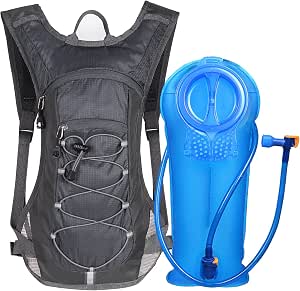 | Best for Beginners | Material: 100% Nylon | Water Bladder: 2L BPA-free | Pack Size: 16.5 x 8 x 6 inches | VIEW LATEST PRICE | See Our Full Breakdown |
| MSR Hydration Pack |  | Best for Aggressive Trail Riding | Water Capacity: 2 liters (70 oz) | Design: Low-profile, slim silhouette | Straps: Adjustable chest and shoulder | VIEW LATEST PRICE | See Our Full Breakdown |
| CamelBak Hydrobak Hydration Reservoir Bike Pack |  | Best Minimalist Pick | Brand: CamelBak | Capacity: 50 oz (1.5 L) | Reservoir: Crux with ergonomic handle | VIEW LATEST PRICE | See Our Full Breakdown |
| Maelstrom Hydration Running Vest with 2L Water Bladder for Men and Women |  | Best for All-Weather Riding | Material: Waterproof polyester with breathable mesh lining | Water Capacity: 2L insulated bladder | Waterproof: Yes | VIEW LATEST PRICE | See Our Full Breakdown |
| mountain biking hydration pack | Material | Weight |
|---|---|---|
| Noola Hydration Backpack with | 900D abrasion-resistant nylon | — |
| Zavothy Hydration Backpack wit | Waterproof polyester | 0.73 lbs / 333.5 g |
| Arctos Lumbar Mountain Bike Hy | 210D ripstop nylon | 1.85 lbs |
| Lightweight Hydration Backpack | Waterproof, tear-resistant nylon | 8.5 oz |
| Osprey Raptor 10L Men’s Mounta | — | — |
| Lightweight Hydration Backpack | PU coated nylon | 8.5 oz |
| Unigear Hydration Pack Backpac | 100% Nylon | 1.1 lbs |
| MSR Hydration Pack | — | — |
| CamelBak Hydrobak Hydration Re | — | — |
| Maelstrom Hydration Running Ve | Waterproof polyester with breathable mesh lining | — |
More Details on Our Top Picks
Noola Hydration Backpack with 3L Water Bladder, Tactical Pack for Hiking
Capacity is the whole story here. The Noola carries a full 3L bladder plus nine pockets of storage in 900D nylon that shrugs off trail abuse — more water and more cargo than any other pack in this lineup. Compared with the Zavothy 2L pack, the Noola gives you 50% more hydration and genuine gear-hauling ability, which matters on all-day backcountry rides where resupply isn’t an option. The MOLLE webbing lets you bolt on extra pouches, tool rolls, or armor straps. The tradeoff is weight and bulk: fully loaded, this thing rides like luggage, not like the near-weightless Lightweight 8.5 oz pack elsewhere in this roundup. It’s also built as a general tactical pack rather than bike-specific, so there’s no helmet carry or riding-tuned harness. For riders who prioritize endurance over agility, that’s a fair deal.
Pros:- 3L bladder capacity is the largest in this lineup
- 900D abrasion-resistant nylon handles trail abuse
- Nine pockets keep tools, food, and layers organized
- MOLLE webbing allows modular gear attachment
Cons:- Heavy and bulky when fully loaded
- Tactical design lacks bike-specific features like helmet carry
- Limited color options
Best for: Endurance riders and bikepackers who need 3L of water plus serious gear storage between resupply points
Not ideal for: Weight-conscious riders and racers — fully loaded it’s noticeably heavier than dedicated cycling packs like the Zavothy
- Material:900D abrasion-resistant nylon
- Water Capacity:3L
- BPA Free:Yes
- Pockets:9 (4 zippered, 5 multi compartments)
- Straps:Double fastened shoulder and waist straps
- MOLLE Compatible:Yes
Our verdict“Buy this if ride duration and gear needs trump weight; skip it if you value a light, nimble cycling-specific fit.”
Zavothy Hydration Backpack with 2L Water Bladder for Hiking, Running, Cycling
At 0.73 lbs, the Zavothy is one of the lightest options here, and it includes a 2L BPA-free bladder with anti-leak construction plus a dedicated helmet-carry system — features that usually cost more. Against the similarly lightweight Lightweight 2L pack, the Zavothy’s advantage is the helmet storage and breathable mesh harness, which makes it more practical as an everyday riding pack rather than a running-first design. The waterproof polyester shell handles spray and drizzle without complaint. Where it falls short is capacity and organization: 2L of water limits you to roughly two hours of hard pedaling in heat, and there’s minimal structured storage compared with the Noola’s nine pockets. Riders carrying tools, a layer, and snacks will feel the squeeze. Still, for the price-to-weight ratio, this option makes the most sense for budget-minded riders who want simple, comfortable hydration.
Pros:- Featherlight at 0.73 lbs
- Includes anti-leak 2L BPA-free bladder
- Breathable mesh back and adjustable straps keep rides comfortable
- Helmet storage adds genuine cycling utility
Cons:- 2L water capacity limits ride duration
- Minimal additional storage compartments
- Lighter construction may not survive heavy-duty abuse
Best for: Budget-conscious riders doing short to mid-length rides who want a featherweight pack with helmet carry
Not ideal for: All-day riders — the 2L capacity and limited storage won’t cover long, hot outings
- Material:Waterproof polyester
- Weight:0.73 lbs / 333.5 g
- Water Capacity:2L
- Bladder:BPA-free, anti-leak
- Back System:Breathable mesh with adjustable straps
- Helmet Storage:Yes
Our verdict“The smart money pick for shorter rides where low weight and low price matter more than capacity.”
Arctos Lumbar Mountain Bike Hydration Pack with Water Bladder
The lumbar design is the differentiator. By shifting water weight onto the hips instead of the spine, the Arctos eliminates the sweaty, constricting feel of traditional packs like the Osprey Raptor 10L, and it keeps your center of gravity low — a real advantage on steep, technical descents where a tall backpack can shift around. The large wing pockets sit right at your hands, so gels, a multi-tool, or a phone are reachable without stopping, something shoulder-strap packs can’t match. The ripstop nylon and quality zippers feel built for trail use. Tradeoffs are real, though: total storage is far below the Raptor’s 10L, riders under 5’5″ may struggle to get a secure fit, and at 1.85 lbs empty it’s heavier than it looks. The bladder capacity also isn’t clearly specified, which is a gap buyers should question before ordering.
Pros:- Lumbar design keeps weight on hips for a bounce-free ride
- Wing pockets put essentials within easy reach while riding
- Low center of gravity aids stability on technical descents
- Durable 210D ripstop nylon with quality zippers
Cons:- Sizing excludes riders under 5’5″
- 1.85 lb empty weight is noticeable for a lumbar pack
- Bladder capacity not clearly specified
Best for: Descend-focused trail riders who want bounce-free hydration without a sweaty full backpack
Not ideal for: Petite riders under 5’5″ or anyone needing all-day storage — the fit range and cargo space are limited
- Fit & Sizing:One size, riders 5’5″ to 6’4″
- Weight:1.85 lbs
- Pack Dimensions:8.5H x 11W x 5.5D inches
- Material:210D ripstop nylon
- Bladder Included:Yes
- Design:Lumbar / wing-pocket layout
Our verdict“Choose this if a hot, shifting backpack ruins your rides — as long as you’re tall enough to fit it.”
Lightweight Hydration Backpack with 2L Water Bladder for Running and Hiking
This pack’s pitch is simple: 8.5 ounces, a 2L bladder, and just enough 12L storage for the bare essentials. It’s lighter than the Zavothy despite offering more total cargo volume, thanks to a pared-down frame of waterproof, tear-resistant nylon. The wide adjustment range — shoulder straps up to 34 inches and a chest strap spanning 2.4 to 7.9 inches — means it fits a broader range of body sizes than the Arctos lumbar pack, which cuts off at 5’5″. Multiple compartments give it better organization than its minimal weight suggests. The compromises: it’s a generalist running-and-hiking design with no helmet carry, no bike-specific harness, and no listed reflective elements, so it’s weaker than the Osprey Raptor for dedicated trail use. For riders who already carry tools in a frame bag and just want water and a jacket on their back, this pick makes the most sense.
Pros:- Extremely light at 8.5 oz
- Waterproof, tear-resistant nylon construction
- Wide strap adjustment range fits many body sizes
- Multiple compartments despite minimal weight
Cons:- 2L water ceiling for long rides
- No bike-specific features like helmet carry
- No reflective elements listed for low-light riding
Best for: Minimalist riders and multi-sport users who want water plus a jacket and nothing else on their back
Not ideal for: Gear-heavy trail riders — no helmet storage or bike-specific organization compared with cycling-focused packs
- Material:Waterproof, tear-resistant nylon
- Total Capacity:12L
- Water Bladder Capacity:2L
- Weight:8.5 oz
- Shoulder Strap Adjustment:Up to 34 inches
- Chest Strap Adjustment:2.4–7.9 inches
Our verdict“A near-weightless choice for riders who want hydration without the pack — provided you carry your gear elsewhere.”
Osprey Raptor 10L Men’s Mountain Bike Hydration Pack, Gray
This is the only pack in the lineup built specifically for mountain biking from the ground up. The Raptor’s bike-specific harness keeps the load planted through chundery descents in a way generalist packs like the Noola tactical or the Zavothy simply can’t replicate, and the included 2.5L reservoir splits the difference between the Noola’s 3L bulk and the 2L ceiling of the lighter packs. Ten liters of organized storage with quick-access pockets means tools, tubes, layers, and food each have a home — useful on rides long enough that walking out isn’t an option. The honest tradeoffs: at 2.09 lbs empty it’s overkill for a one-hour spin, it costs more than most budget packs here, and 10L still won’t cover multi-day bikepacking. This model is better suited to the rider whose typical day on the bike is measured in hours, not minutes.
Pros:- Bike-specific harness keeps the load stable on rough terrain
- 2.5L reservoir supports long rides without the bulk of 3L systems
- 10L of organized, quick-access storage
- Purpose-built cycling design rather than an adapted hiking pack
Cons:- 2.09 lbs empty weight is overkill for short rides
- Too small for multi-day bikepacking trips
- Premium price compared with budget packs in this roundup
Best for: Dedicated trail riders doing long all-day rides who want a stable, organized, bike-specific pack
Not ideal for: Casual short-ride riders — the weight, bulk, and price are wasted on an hour-long loop
- Total Capacity:10L
- Reservoir Included:Yes
- Reservoir Capacity:2.5L
- Item Dimensions:18.9H x 9.8W x 9.1D inches
- Item Weight:2.09 lbs
- Harness:Bike-specific secure-fit harness
Our verdict“If mountain biking is your primary sport and your rides run long, this is the pack the rest of the lineup is measured against.”
Lightweight Hydration Backpack with 2L Water Bladder for Running and Hiking
At just 8.5 ounces, this is the lightest full-featured pack in the lineup, undercutting even the CamelBak Hydrobak on weight while carrying a bigger 2L bladder. For riders who count grams — racers, climbers who pedal to the trailhead, or anyone who hates the sweaty weight of a traditional pack — the PU-coated nylon shell delivers decent weather resistance at a bargain price. Storage is where it pulls ahead of the similarly compact MSR Hydration Pack: multiple compartments mean a tube, snack, and jacket actually fit. The tradeoff is fit and finish. Torso lengths over about 20 inches will find the 34-inch shoulder straps limiting, and the lack of an insulated bladder cover means warm water on hot afternoon rides — something the Maelstrom vest solves with its insulated reservoir.
Pros:- Featherlight 8.5 oz build is the lightest here with a 2L bladder included
- Multiple storage compartments beat similarly compact rivals
- Leakproof bladder with fast-flowing hose
- Tear-resistant, water-resistant fabric for the price
Cons:- Shoulder strap range won’t fit larger torso sizes
- No insulated bladder cover, so water heats up on summer rides
- 2L capacity limits full-day backcountry use
Best for: Weight-conscious riders on a budget who want a 2L bladder plus real storage for under thirty dollars
Not ideal for: Tall or broad-shouldered riders — the strap range is too short for larger torsos
- Capacity:12 L
- Water Bladder Capacity:2 L
- Weight:8.5 oz
- Material:PU coated nylon
- Shoulder Straps:Adjustable up to 34 inches
- Chest Strap:Adjustable 2.4–7.9 inches
Our verdict“This pack makes the most sense for gram-counting trail riders who want storage and a 2L bladder without paying premium prices.”
Unigear Hydration Pack Backpack with 2L Water Bladder for Hiking & Cycling
The Unigear wins as the entry point pick because it removes every guesswork barrier: bladder included, three-way strap adjustment, splash-resistant nylon, and a price that won’t sting if mountain biking turns out to be a phase. Compared with the Lightweight Hydration Backpack above, it gives up some carry volume — the front pocket is small and there’s little room beyond a tube and a layer — but the fit system is more forgiving across body types, which matters more for a first pack. It won’t match the MSR’s low-profile silhouette on aggressive descents, and riders carrying knee pads or a rain shell will feel the pinch quickly. Still, for someone buying their first hydration setup for casual singletrack, the simplicity is the feature.
Pros:- Complete package with 2L BPA-free bladder included
- Shoulder, chest, and waist straps give a dialed fit for most body types
- Aerodynamic, compact shape stays stable on rolling terrain
- Durable splash-resistant nylon construction
Cons:- Small front pocket barely fits a phone and keys
- No secondary compartments for tools or layers
- 1.1 lb weight is heavier than more minimal rivals
Best for: New mountain bikers wanting a complete, affordable hydration setup that fits a range of body types
Not ideal for: All-mountain or enduro riders who need to carry pads, tools, and layers — storage is too tight
- Material:100% Nylon
- Water Bladder:2L BPA-free
- Pack Size:16.5 x 8 x 6 inches
- Weight:1.1 lbs
- Adjustable Straps:Shoulder, chest, waist
- Water Resistance:Splash resistant
Our verdict“A smart first purchase for newer riders who value fit and simplicity over carrying capacity.”
MSR Hydration Pack
This is the pick built specifically for what mountain bikers actually do: descend hard. The low-profile silhouette hugs the back so the pack doesn’t shift or snag on steep, rough terrain — a real advantage over the taller Unigear and Maelstrom designs, which can bounce when the trail gets rowdy. The breathable back panel and leak-proof bite valve are details aimed at hot, high-output riding rather than casual hiking, and the strap system locks the load tight for enduro-style stages. The cost of that slim shape is storage: unlike the Lightweight Hydration Backpack, there are no compartments for tools, spares, or food, and the 2L capacity means refills on long days. Riders who want to carry the kitchen sink should look at the Osprey Raptor 10L instead.
Pros:- Low-profile shape eliminates pack bounce and snag risk on technical terrain
- Leak-proof bite valve works reliably mid-descent
- Breathable back panel manages heat on climbs
- Adjustable chest and shoulder straps lock the load in place
Cons:- No storage compartments for tools, tubes, or layers
- 2L capacity forces refills on longer rides
- Too slim for riders who carry pads or a jacket
Best for: Enduro and trail riders who prioritize a stable, snag-free fit on technical descents over cargo space
Not ideal for: Bikepackers and all-day riders — no storage compartments and only 2L of water
- Water Capacity:2 liters (70 oz)
- Design:Low-profile, slim silhouette
- Straps:Adjustable chest and shoulder
- Back Panel:Breathable
- Intended Use:Trail riding, motocross, Enduro, MTB, off-road
- Construction:Durable, lightweight
Our verdict“The best choice here for aggressive descents, provided you can travel light and refill often.”
CamelBak Hydrobak Hydration Reservoir Bike Pack
The Hydrobak is the distilled version of a hydration pack: a 50oz Crux reservoir, one zippered pocket, and nothing else. That restraint is its appeal. For after-work loops, short singletrack spins, or riders who already carry tools in a frame bag, it disappears on your back in a way the bulkier Unigear or Maelstrom simply can’t. The Crux reservoir refills faster and flows better than the generic bladders bundled with budget packs, and the air-mesh back and ventilated harness keep the sweaty-back problem to a minimum. CamelBak’s lifetime guarantee also outclasses the warranty story on every other pick here. The catch is hard limits: 1.5L won’t cover a three-hour summer ride, and one pocket means one phone or one snack — not both.
Pros:- Crux reservoir with ergonomic handle refills and flows better than generic bladders
- Air-mesh back panel and ventilated harness reduce sweat buildup
- CamelBak lifetime guarantee backs the purchase long-term
- Barely-there weight and compact footprint
Cons:- 1.5L capacity is the smallest in this lineup
- Single zippered pocket holds only small essentials
- Poor value if you need storage or longer-range hydration
Best for: Short-ride riders and commuters who want premium reservoir quality and barely-there weight
Not ideal for: Anyone riding longer than two hours — 50oz of water and one pocket won’t cut it
- Brand:CamelBak
- Capacity:50 oz (1.5 L)
- Reservoir:Crux with ergonomic handle
- Back Panel:Air mesh
- Harness:Ventilated mesh
- Storage:Zippered essentials pocket
- Warranty:Lifetime guarantee
- Model:1122001000P
Our verdict“The right buy for short, fast rides where you want water and nothing else — skip it for anything all-day.”
Maelstrom Hydration Running Vest with 2L Water Bladder for Men and Women
The Maelstrom is the pick that takes weather seriously. Its waterproof polyester shell and insulated 2L bladder tackle the two problems most packs here ignore: rain soaking your gear and sun cooking your water. Compared with the splash-resistant Unigear, this vest keeps contents dry in real downpours, and the insulation gives the MSR and budget picks a clear disadvantage on hot days. The reflective markings add low-light safety for riders who end their loops at dusk — nobody else in this lineup offers that. The vest-style fit distributes weight across the torso more evenly than traditional packs like the Lightweight Hydration Backpack, though that design feels bulkier and warmer on fast summer climbs, and the bladder demands diligent cleaning to avoid mold.
Pros:- Fully waterproof shell protects gear in sustained rain, not just splashes
- Insulated bladder keeps water cool in heat and resists freezing in cold
- Reflective safety markings improve visibility at dawn and dusk
- Multiple pockets and even vest-style load distribution for long days
Cons:- Bulkier and warmer than minimalist packs on hot climbs
- Bladder requires regular cleaning to prevent mold and odor
- 2L capacity caps it at mid-length rides
Best for: Riders who train in rain, cold, or low light and want protected gear plus cool drinking water
Not ideal for: Minimalists and hot-climate riders — the vest design traps heat and feels bulky on fast climbs
- Material:Waterproof polyester with breathable mesh lining
- Water Capacity:2L insulated bladder
- Waterproof:Yes
- BPA Free:Yes
- PVC Free:Yes
- Adjustable Straps:Yes, vest-style fit
- Reflective Safety Design:Yes
- Bladder Valve:Leak-proof bite valve
Our verdict“The clear choice for foul-weather and low-light riders who value protection and visibility over a stripped-down feel.”
How We Picked
I evaluated each pack through the specific demands of mountain biking rather than general hydration needs. That meant judging on-trail stability (does the pack bounce or sway during descents and drops?), bike-specific storage (tool rolls, pump sleeves, and organization rather than one giant dump pocket), bladder quality and cleanability, back ventilation for hot climbs, and overall value relative to price. Fit adjustability mattered too, because a pack that fits a road cyclist’s upright posture often shifts around in a mountain biker’s attack position.
The ranking logic is straightforward: purpose-built mountain bike packs rank highest, versatile multi-sport packs fill the middle, and minimal or specialized designs sit at the bottom not because they’re bad products, but because they serve narrower slices of the mountain biking audience. Every pick has drawbacks, and I’ve made those explicit so you can weigh them against your own riding style.
Factors to Consider When Choosing Mountain Biking Hydration Packs
Before settling on a specific pack, it helps to understand the broader tradeoffs in this category — the mistakes that frustrate buyers usually come from mismatched capacity, not product quality.Reservoir Size vs. Ride Length
The common mistake here is overbuying. A 3L bladder sounds appealing until you’re carrying two liters of water you never drink, plus the sloshing weight high on your back. Most riders drink roughly 500–750ml per hour in moderate temps, so a 2L reservoir covers two to three hours of riding, which is the majority of trail sessions. Reserve 3L capacity for all-day backcountry rides or hot-climate riding where resupply points are rare. Also note that larger bladders are harder to clean and dry, which matters more than most buyers expect — a neglected reservoir is the fastest way to ruin a pack.
Cargo Capacity: Match It to Your Kit
Mountain bikers carry more than hikers realize: tube, pump or CO2, multi-tool, tire levers, a layer, snacks, and maybe knee pads for the descent. A water-only pack like the CamelBak Hydrobak forces you to stuff pockets or strap gear elsewhere, which works on short laps but fails on big days. The sweet spot for most trail riders is 8–12L of total cargo. If you ride bike parks or lift-served trails, you can go smaller since you’re never far from the car; backcountry riders should size up. When in doubt, buy slightly more capacity than you need and use compression straps to cinch the pack down when it’s half empty.
Back Ventilation vs. Back Protection
This is a tradeoff most buyers don’t discover until their first hot climb. Packs with a suspended mesh back panel — like Osprey’s AirScape design — let air circulate and keep your shirt drier, but they push the load slightly away from your body, which can add sway on aggressive descents. Packs that sit flat against your back ride more stable but turn into a sweat magnet. Lumbar designs sidestep the problem entirely by moving water to your hips, though they sacrifice cargo space. If you ride in humid climates or climb a lot, prioritize ventilation; if you ride technical downhill, prioritize a close, stable fit.
Fit and Adjustability in the Riding Position
A pack that fits fine standing upright can feel completely different hunched over the bars. Look for sternum straps that adjust vertically (so they don’t sit on your collarbone when leaning forward), hip belts for transferring weight off your shoulders, and side or vertical compression straps that stop the bladder from shifting as you drink. Generic running vests like the Maelstrom distribute weight well for upright activities but aren’t shaped for a bent-over riding posture — a key reason multi-sport packs rank lower in this roundup. If possible, buy from a retailer with a good return policy and test the pack in a riding stance before committing.
Bladder Quality and Long-Term Maintenance
The reservoir is where budget packs cut corners, and it’s the component most likely to fail. Cheaper bladders often impart a plastic taste, have bite valves that leak under pressure, and use narrow openings that make scrubbing and drying a chore. Mid-range and premium packs typically include wide-mouth or slide-top reservoirs that open flat for cleaning — a feature you’ll appreciate the first time you leave water in the bladder over a weekend. Factor in the cost of a replacement reservoir (usually $20–40) when comparing prices, because many buyers of budget packs end up upgrading the bladder within a year.
When to Pay More
Premium packs like the Osprey Raptor justify their price through durability, warranty support, and thoughtful details — magnetic hose anchors, tool-specific pockets, and replacement parts availability — rather than raw hydration performance. The water delivery from a $40 pack and a $150 pack is largely the same. Pay more if you ride weekly or more, if you’ve been frustrated by a bouncing or sweating pack before, or if you carry delicate gear like a phone and want padded, dedicated storage. Stick to budget options if you ride occasionally, are introducing a friend to the sport, or mostly ride short loops where the pack’s job is simply to hold water without complaint.
Frequently Asked Questions
Is a hydration pack better than water bottles for mountain biking?
It depends on your terrain and frame. Hydration packs win on technical trails where reaching for a bottle is risky, on long rides where two bottles aren’t enough, and on full-suspension bikes with limited bottle clearance inside the front triangle. Water bottles win on weight (an empty cage costs nothing), ventilation (no pack means no sweaty back), and cost of ownership since replacement bottles are cheap. Many riders end up using both: bottles for shorter cross-country loops, a pack for big backcountry days or bike park sessions where tools and layers are needed anyway.
Are cheap hydration packs under $50 actually usable for mountain biking?
For casual trail riding, yes — packs like the Zavothy and Unigear deliver working hydration and basic storage at a fraction of premium prices. The compromises show up in three places: load stability (they bounce more on rough descents), bladder quality (expect plastic taste until thoroughly washed, and shorter valve lifespan), and long-term durability of zippers and straps. If you ride a few times a month on flowing trails, a budget pack is a rational purchase. If you ride aggressively or weekly, the frustration of a shifting load usually pushes riders toward a purpose-built pack within a season.
What size hydration pack do I need for mountain biking?
For rides under two hours with bail-out points, a minimal pack (2L water, 2–5L cargo) is plenty. For typical three-to-four-hour trail rides, target 8–12L total capacity so you can carry tools, a layer, and food comfortably. For all-day or backcountry rides, 12L and up — like the Osprey Raptor 10 with its expandable organization — keeps everything internal instead of strapped to your frame. A useful test: lay out everything you’d bring on your longest regular ride. If it doesn’t fit in the pack with room to spare, size up; an overstuffed pack rides worse than a properly sized one that’s slightly larger.
Lumbar hydration packs vs. backpacks — which is right for me?
Lumbar packs like the Arctos shine for hot-weather riding, climbers who hate a sweaty back, and riders with shoulder or upper-back issues, since they move weight to your hips where your body carries it most efficiently. The tradeoff is capacity: lumbar designs top out around 4–6L of storage, so they suit short-to-medium rides with a minimal tool kit. Backpacks carry more, protect your back in a fall, and offer better hose routing for sipping mid-descent. If you sweat heavily or ride mostly short loops in heat, try lumbar first; if you carry layers and tools regularly, stick with a backpack.
How do I stop my hydration pack from bouncing on descents?
Bouncing usually means one of three fixable issues: the bladder is half empty and sloshing, the pack is too large for your load, or the straps aren’t properly tensioned. Start by tightening the side compression straps and positioning the sternum strap so the load sits snug against your back — higher and tighter than feels natural at first. Squeeze air out of the bladder after filling to eliminate sloshing. If those don’t solve it, the pack itself is the problem: multi-sport packs designed for running or hiking lack the compression architecture of mountain-bike-specific designs, which is a core reason purpose-built packs rank higher in this comparison.
Conclusion
For most trail riders, the Osprey Raptor 10L is the best overall choice — it’s the one pack here designed around how mountain bikers actually ride, and it earns its price through stability, storage, and durability. If budget is the deciding factor, the Unigear Hydration Pack is my best value pick, delivering reliable 2L hydration and decent storage for casual riders who shouldn’t pay premium prices for occasional use. Beginners should look at the Zavothy 2L pack: it’s inexpensive enough to test whether you even like riding with a pack, without a painful commitment if you don’t. Riders chasing minimal weight should pick the CamelBak Hydrobak for short, fast laps. For hot climates and sweaty-back sufferers, the Arctos lumbar pack solves a problem no backpack in this lineup can. Match the pick to your ride length, your terrain, and how often you actually get out — that’s the decision that matters more than any spec sheet.
NFL season / tailgating Picks
team gear
As an affiliate, we earn on qualifying purchases.