
TL;DR

Get sports gear delivered free with Prime
- Fast, free delivery on millions of items
- Prime Video, Amazon Music and more included
- Member-only deals all year
Outdoor Life published an essay arguing that hunting mentors should speak plainly about killing and ask prospective hunters how they feel about it. The piece draws on a Bon Appétit writer’s account of being distressed while killing an elk on a mentored hunt; it does not report a new policy or hunting program.
Outdoor Life published an essay on Oct. 8 arguing that hunting mentors should talk directly with prospective hunters about killing an animal, after recounting a novice hunter’s distress during an elk hunt. The piece says people who are uncertain about killing should be able to acknowledge that feeling rather than being expected to participate because hunting is framed as ethical or sustainable meat gathering.
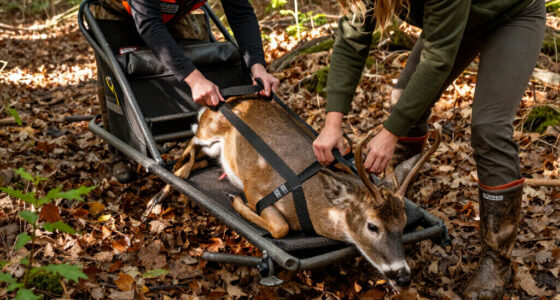
Writer Dustin Lutt points to a Bon Appétit article, published several years earlier, about a first-time hunter who went on a mentored elk hunt at Vermejo Ranch in New Mexico. The writer of that article described hesitating before shooting a cow elk, then feeling shock, shame and distress after taking a shot that hit the animal in the liver. With guidance from people on the hunt, she fired again and killed the elk, according to the account quoted by Lutt.
Lutt says the story made him reconsider how hunters discuss the activity with people who have not hunted before. He argues that conversations often emphasize conservation, wild meat and outdoor experience, while giving less attention to the act of killing and the emotions that may follow. He proposes asking new hunters directly how they feel about killing an animal before they take part.
The essay does not announce a change to hunting rules, a new recruitment program or a formal policy by Outdoor Life or hunting organizations. It is an argument about mentoring and communication, based on Lutt’s response to another writer’s account and his own experience as a hunter.
Preparing Novices for the Kill
The essay addresses a practical issue for hunting mentors: a person can support eating meat, conservation or the idea of sourcing food directly and still find killing an animal difficult. That difference matters when someone enters a hunt with expectations shaped more by its ethical or culinary appeal than by the moment of taking a life.
For prospective hunters, a candid conversation beforehand could help them decide whether to continue, pause or decline. For mentors, it may prevent a novice from feeling pressured to take a shot simply because the opportunity has arrived. Lutt’s argument is not that every new hunter will react the same way, but that emotional responses should be treated as part of the experience rather than left out of preparation.
The piece also speaks to public discussion of hunting. If recruitment efforts describe the benefits but avoid the killing, newcomers may encounter a gap between the story they were told and what happens in the field. Acknowledging that reality could make those conversations more honest, though the essay offers no evidence that a particular approach will increase recruitment or change public opinion.
hunting safety and mentoring guide
As an affiliate, we earn on qualifying purchases.
As an affiliate, we earn on qualifying purchases.
The Story Behind Lutt’s Argument
Lutt’s essay takes its starting point from a first-person Bon Appétit story titled “I Eat Meat. Why Was Killing My Own Food So Hard?” The account follows a woman who joined a guided, mentored hunt hoping to obtain meat in a way she considered more ethical than relying on an unknown slaughter process. During the hunt, she described being unable to reconcile her thoughts with the decision to shoot, then feeling horrified after wounding the elk.
Lutt writes that he read the account as his own hunting season was beginning and returned to it over the following months. He had previously seen stories about hunting for food as a way to connect hunters and nonhunters. In his view, this account complicated that framing by showing that a person may endorse the reasons for hunting yet remain deeply uneasy about killing.
The essay also considers common euphemisms such as “harvesting” an animal or “tagging” a deer. Lutt says these terms can obscure the reality of what happens. He cites Spanish philosopher José Ortega y Gasset’s statement, “One does not hunt in order to kill; on the contrary, one kills in order to have hunted,” while cautioning that this idea can make the killing seem secondary.
““How do you feel about killing an animal?””
— Dustin Lutt, Outdoor Life essay
hunting emotional preparedness kit
As an affiliate, we earn on qualifying purchases.
As an affiliate, we earn on qualifying purchases.
No Program Changes Announced
The essay does not establish how often new hunters experience distress, or whether the Bon Appétit account represents a common response. It also does not assess the outcomes of existing mentoring practices or provide research comparing different ways of preparing novices.
It is unclear whether Outdoor Life, hunting organizations or individual mentors will adopt Lutt’s suggestion as a formal practice. The article is commentary based on the writer’s interpretation of a particular hunt and his own experience; it does not report interviews with the novice hunter or a response from Vermejo Ranch.
As an affiliate, we earn on qualifying purchases.
Whether Mentors Change Their Approach
The immediate next step rests with hunting mentors and prospective hunters: the essay calls for more direct discussion before a hunt, but names no scheduled initiative or follow-up action. Readers should not mistake the argument for a change in hunting regulations or a new requirement for guided hunts.
Further reporting would be needed to establish whether organizations revise their training, how new hunters respond to franker preparation and whether those discussions affect participation. For now, Lutt’s central recommendation is to make the possibility of emotional difficulty part of the conversation before a person is in the field facing a shot.
hunting communication and mentoring tools
As an affiliate, we earn on qualifying purchases.
As an affiliate, we earn on qualifying purchases.
Key Questions
What is the Outdoor Life essay arguing?
Dustin Lutt argues that mentors should speak openly about killing an animal and ask prospective hunters how they feel about it before a hunt.
What happened in the elk-hunt account?
The Bon Appétit writer described hesitating before shooting a cow elk, then feeling distressed after a first shot wounded it. The account says she fired again and killed the animal.
Did Outdoor Life announce a new hunting policy?
No. The essay makes a case for a more candid approach to mentoring; it does not announce a rule, program or policy change.
Does the essay say all new hunters feel the same way?
No. It raises the possibility that killing may be emotionally difficult and argues that mentors should ask about it. The article does not provide research on how common that response is.
Source: rss
Halloween Picks
halloween
As an affiliate, we earn on qualifying purchases.