
TL;DR

Get sports gear delivered free — and shop member deals
- Fast, free delivery on millions of items
- Access to Prime Big Deal Days deals on October 6–7
- Prime Video, Amazon Music and more included
The 72-hour gear rule is about being self-reliant during the first three days of a crisis. Beginners often misjudge water needs, overpack or underprepare, and neglect regular gear checks. Smart planning and realistic gear choices save lives.
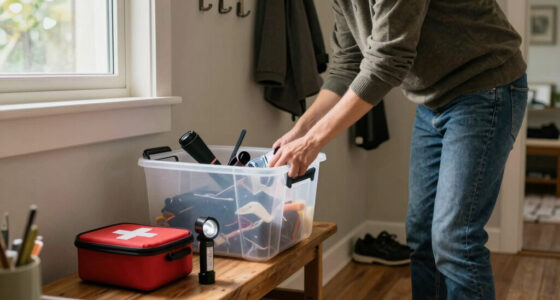
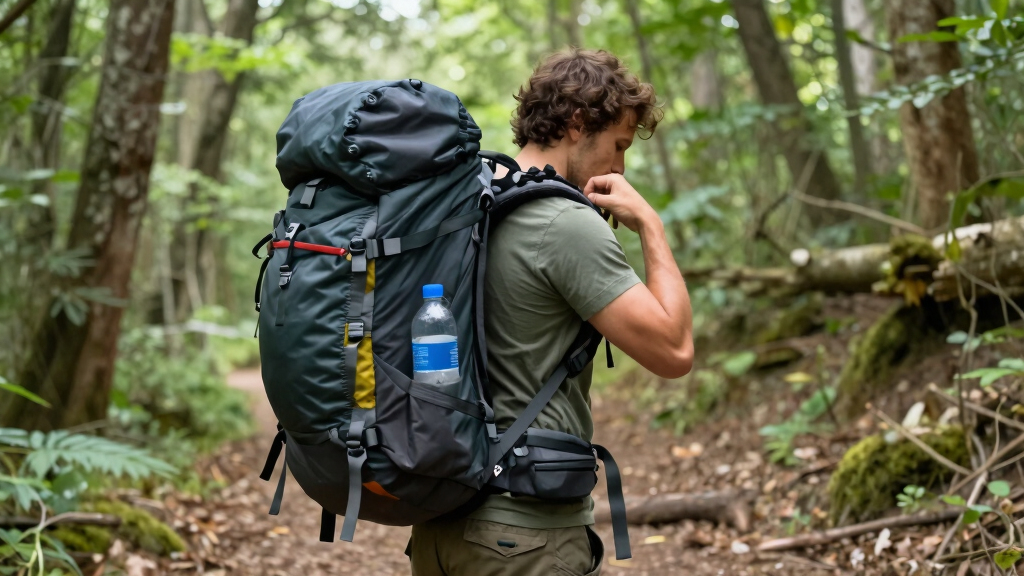
Ever try to cram your backpack with everything you might need for three days? It’s tempting to overpack or, worse, forget the essentials. The 72-hour gear rule is simple in theory—be ready for three days of survival. But most beginners get it all wrong, leaving critical gaps or dragging around dead weight.
In this guide, I’ll show you where beginners stumble, why common mistakes happen, and how to craft a gear setup that’s practical, reliable, and ready to go. No fluff, just real-world advice from a rider who’s been in the dirt and knows the importance of good gear when it counts.
The 72-Hour Gear Rule Most Beginners Get Wrong
Three days of self-reliance sounds simple until a bag is too heavy to carry, water runs short, or batteries fail at the worst possible moment. The goal is not to own more gear. The goal is to carry the right gear, know how to use it, and keep it ready.
Prepared means mobile, hydrated, and practiced.
A practical 72-hour kit covers water, food, shelter, first aid, communication, and the specific risks of your environment.
per person, per day before heat or exertion adjustments.
for food rotation, battery checks, filter testing, and gear inspection.
The first three days can be the slowest stretch for outside help.
Minimum water per person for a full 72-hour kit.
Favor compact tools that solve more than one problem.
Expired food, dead batteries, clogged filters, and forgotten tools.
Beginners Pack Comfort Water. Survival Needs Working Water.
Water is not only for drinking. It supports cooking, wound cleaning, temperature control, judgment, and mobility. A half-gallon kit looks neat on a shelf, but it collapses quickly in heat, stress, or evacuation.
Start with one gallon per day.
For 72 hours, that means three gallons per person before adding climate, exertion, pets, or medical needs.
Carry a refill strategy.
A compact purifier, UV tool, or proven filter extends your supply without forcing you to haul every ounce from the start.
Dehydration steals decisions.
Even mild dehydration slows movement and clouds judgment, turning small problems into dangerous ones.
Overpacking Feels Prepared Until You Have to Move.
The smart kit trades bulky comfort for compact utility. If the bag is too heavy, you slow down, tire out, or leave it behind. If it is too sparse, you carry a false sense of security.
Too much gear reduces mobility.
Multiple tools, redundant bottles, bulky bedding, and random snacks add mass without adding real capability.
Versatile gear earns its place.
A bivvy, layered clothing, calorie-dense food, purifier, compact first aid, and multi-tool cover more ground with less strain.
Replace Bulk with Capability.
The goal is not minimalist theater. It is a bag you can carry comfortably while still covering the core needs: water, food, shelter, first aid, light, and communication.
| Category | Overpacked Kit | Smart 72-Hour Pack | Result |
|---|---|---|---|
| Water | ~ Many heavy bottles, no refill plan | ✓ Initial water plus purifier or filter | More range with less carried weight |
| Shelter | ✗ Bulky sleeping bag for every scenario | ✓ Compact insulated bivvy or tarp system | Warmth and weather cover in less space |
| Food | ~ Random snacks and short shelf life | ✓ Calorie-dense, non-perishable food | Reliable energy without clutter |
| Tools | ✗ Multiple single-use gadgets | ✓ Multi-tool, light, power bank, radio | Fewer items, broader function |
| Clothing | ~ Extra outfits packed by habit | ✓ Layers matched to climate and season | Adaptability without excess bulk |
Your Gear Is Only as Reliable as Your Last Check.
Preparedness fails quietly: batteries corrode, filters clog, food expires, tape dries out, and medications age. A 6-12 month check keeps the kit from turning into a shelf ornament.
Inspection rhythm
Six months is the clean habit. Twelve months is the outer edge for low-risk kits. Anything beyond that invites preventable failure.
- Rotate: expired food, water pouches, medications, and personal items.
- Replace: weak batteries, cracked containers, worn straps, and damaged seals.
- Test: flashlight, radio, stove, purifier, charger, and fire-starting tools.
- Practice: use the gear before the emergency forces you to learn under pressure.
The Right Kit Depends on Where You Actually Live.
A generic bag ignores local risk. Rain, heat, cold, terrain, urban density, communication gaps, and legal restrictions all change what belongs in a 72-hour setup.
Insulate first
Thermal layers, dry socks, fire-starting tools, gloves, and shelter matter more than gadget variety.
Hydration rules
Extra water capacity, electrolytes, sun cover, breathable layers, and shade planning move to the top.
Stay connected
Power banks, radio, cash, documents, shoes, masks, and mobility tools often beat wilderness extras.
Self-rescue counts
Navigation, signal tools, insulation, water filtration, compact repair items, and first aid carry more weight.
Know the risk
Power outage, flood, wildfire, winter storm, evacuation, or isolation.
Cover basics
Water, food, shelter, first aid, light, communication, and warmth.
Cut bulk
Remove duplicates that do not add meaningful capability.
Practice use
Filter water, start the stove, tune the radio, and repack fast.
Maintain it
Check every 6-12 months and after every real use.
From Rule to Real-World Kit.
The 72-hour rule works when every item connects to a real need, a real environment, and a practiced action.
Questions Worth Answering Before the Lights Go Out.
A good kit is personal, boringly reliable, and easy to grab. Convenience is useful, but confidence comes from customization and practice.
What belongs in a 72-hour kit?
Start with water, food, shelter, first aid, flashlight, batteries, multi-tool, clothing layers, communication, documents, and personal medical needs.
Is a 72-hour kit enough?
It is a strong starting point for immediate response. Longer disruptions require deeper food, water, sanitation, power, and community planning.
Can I buy a pre-made kit?
Yes, but treat it as a base. Add water strategy, local climate gear, medications, documents, and tools you have personally tested.
What is the biggest beginner mistake?
Underestimating water and overpacking unnecessary gear. Both reduce safety: one drains your body, the other drains your mobility.
Key Takeaways
- Prioritize water: pack at least 1 gallon per person per day, plus a reliable filtration method.
- Avoid overpacking: focus on lightweight, versatile gear that you can carry comfortably.
- Regularly check and update your gear every 6-12 months to keep it functional.
- Tailor your kit to your environment—cold, hot, urban, or wilderness—so it’s actually useful when needed.
- Practice using your gear regularly so you’re confident in an emergency.
As an affiliate, we earn on qualifying purchases.
Why Most Beginners Underestimate Water and How to Fix It
Water is the lifeblood of survival, yet many new preppers pack only a half-gallon per person for 72 hours. That’s a mistake. The general rule? At least 1 gallon per person per day—more in hot climates or if you’re exerting yourself.
Imagine a hot summer day, you’re stuck in a city power outage. You need water for drinking, cooking, and even cleaning wounds. If you underestimate your water needs, dehydration can strike quickly, impairing your judgment, slowing your movements, and increasing your vulnerability. This isn’t just about comfort; dehydration can quickly turn minor issues into life-threatening situations, especially if medical help isn’t immediately available. The fix? Pack enough water initially and include a portable purifier or filtration system for refills. This approach ensures you can extend your hydration supply without carrying excessive weight from extra bottles, which is a critical tradeoff. Proper hydration supports your physical and mental performance, which could be the difference between survival and disaster.
For example, I keep a 2-liter bottle plus a compact UV purifier in my kit. When I tested it in real life, I filtered water from a creek during a camping trip—clean, safe, and fresh. That’s peace of mind, right there. The key is understanding that water isn’t just a comfort item; it’s a core component of your survival strategy, affecting your ability to think clearly, heal, and stay mobile in emergencies.
As an affiliate, we earn on qualifying purchases.
The Overpacking Trap: How to Pack Light but Smart
Most beginners load their kits with every gadget and snack they can find. The result? Heavy, unwieldy bags that slow you down. But the true challenge isn’t just weight—it’s balancing what you carry against what you actually need. Overpacking leads to fatigue, reduces mobility, and can cause you to abandon your kit altogether. Conversely, underpacking risks missing critical tools or supplies when you need them most, which can be fatal.
The key is prioritizing lightweight, multi-use gear that offers maximum utility without unnecessary bulk. For instance, instead of a bulky sleeping bag, opt for a compact, insulated bivvy that can serve as both shelter and warmth. Instead of dozens of snacks, choose calorie-dense, non-perishable foods like trail mix or jerky that provide sustained energy without adding weight. Remember, your kit should be portable enough to carry comfortably, especially if evacuation is needed. The tradeoff here involves choosing versatile gear that may be less specialized but more adaptable and easier to carry, ensuring you’re prepared without being weighed down.
Here’s a quick comparison:
| Overpacked Kit | Smart Pack |
|---|---|
| Heavy sleeping bag, multiple bottles of water, multiple tools | Lightweight bivvy, water purifier, multi-tool, compact first aid |
| Multiple snacks, extra clothes | Calorie-dense snacks, layered clothing for adaptability |
Making these choices involves understanding the tradeoffs: sacrificing some comfort or convenience for mobility and speed. The goal is to strike a balance that keeps you agile and ready for various scenarios, rather than burdened by unnecessary weight.
compact first aid kit for emergencies
As an affiliate, we earn on qualifying purchases.
As an affiliate, we earn on qualifying purchases.
Regular Checks and Maintenance: Why Gear Fails When You Need It Most
Your gear is only as good as your last check. Many beginners forget to rotate expired food, replace dead batteries, or test their water filters. Over time, gear degrades—batteries leak, filters clog, and supplies expire—rendering your kit ineffective exactly when you need it most. This isn’t just a minor inconvenience; it can be a critical failure that jeopardizes your safety in an emergency.
Setting a regular maintenance schedule—say every 6 months—can prevent these issues. During these checks, examine expiration dates, inspect gear for damage, and practice using your tools to ensure familiarity. For example, I once found my flashlight’s batteries corroded after a year; replacing them was a simple fix that saved me during a camping trip. Regular upkeep allows you to identify potential failures before they happen, ensuring your gear performs reliably when it matters most. Think of your gear like your bike: regular tune-ups and inspections keep it running smoothly, avoiding breakdowns far from help. Failing to maintain your kit can turn a well-prepared plan into a dangerous liability, so make maintenance a habit, not an afterthought.
As an affiliate, we earn on qualifying purchases.
Tailoring Your Gear to Your Environment and Needs
The 72-hour rule isn’t one-size-fits-all. Your gear must match your environment because different conditions demand different strategies. Cold climates require thermal layers, fire-starting tools, and insulation, while urban settings might prioritize communication devices, mobility, and concealment. Failing to adapt your kit to your environment can significantly reduce its effectiveness and even put you at risk.
For example, if you live in the Pacific Northwest, packing waterproof gear, thermal base layers, and a compact stove isn’t just smart—it’s essential for dealing with frequent rain and cold. In a desert, focus on hydration, sun protection, and lightweight clothing that can handle extreme heat. Recognizing the specific challenges of your environment allows you to select gear that addresses those risks directly, rather than relying on generic supplies that might be inadequate or unnecessary. It’s about understanding the implications of your surroundings—what dangers are most likely, and how your gear can mitigate them. This tailored approach maximizes your preparedness, making your kit more practical and effective in real-world scenarios.
Frequently Asked Questions
How do I know what to include in my 72-hour kit?
Start with essentials: water, food, shelter, first aid, and communication. Think about your environment and personal needs—medications, pets, or special gear. Keep it lightweight, practical, and easy to access.
Is a 72-hour kit enough for my needs?
It’s a solid starting point for immediate response. For longer-term survival, you’ll need to expand your supplies. But for most emergencies, 72 hours covers the critical first days when help might still be far off.
How often should I update my gear?
Check your kit every 6 to 12 months. Replace expired food, batteries, and worn gear. Regular maintenance ensures your kit will perform when it counts.
Can I just buy a pre-made kit?
Pre-made kits are convenient, but they often don’t match your specific needs. Customizing your own kit guarantees it’s tailored, practical, and ready for your environment and personal situation.
What’s the biggest mistake beginners make?
Underestimating water needs and overpacking are the most common errors. Both can compromise your safety—proper planning and realistic gear choices are key to survival success.
Conclusion
The 72-hour gear rule is a vital foundation for survival planning, but it only works if you get the details right. Water, light gear, and regular upkeep are your best bets for staying safe in a pinch. Think of your kit as your personal insurance—only as good as the last time you checked it.
Get real about what you need, keep it simple, and stay prepared. When the moment comes, you’ll thank yourself for the effort.
NFL season / tailgating Picks
team gear
As an affiliate, we earn on qualifying purchases.