TL;DR

Get sports gear delivered free — and shop member deals
- Fast, free delivery on millions of items
- Access to Prime Big Deal Days deals on October 6–7
- Prime Video, Amazon Music and more included
Emergency kits often fail because they go unmaintained, are improperly stored, or aren’t tailored to your needs. Regular checks, smart storage, and customization keep your kit ready for when disaster strikes.
Imagine a disaster strikes—your house floods, or a wildfire forces evacuation. You rush to grab your emergency kit, only to find it’s outdated, poorly stored, or missing critical supplies. That’s the harsh reality for many who think a kit is enough—until it’s too late.
In this guide, you’ll learn why your emergency kit might be failing before you even need it—and what you can do to make sure it actually works when it counts. Because having a kit isn’t just about stuffing a bag; it’s about staying prepared, staying vigilant, and staying alive.
Why Your Emergency Kit Fails Before the Emergency Starts
A kit is not a talisman. Food expires, batteries die, water degrades, medications lose potency, and the bag you trusted can become unreachable in the exact moment you need it. Real preparedness is maintenance, storage, customization, and practice.
The failure usually begins quietly: six months, one damp closet, and a few unchecked assumptions.
The goal is not a bigger bag. It is a reliable system that still works under stress.
The Four Failure Modes
Most emergency kits do not collapse because people lack good intentions. They fail because nobody owns the upkeep, the storage location damages the contents, the supplies do not match the household, or nobody has practiced grabbing and using the gear.
Supplies Grow Old
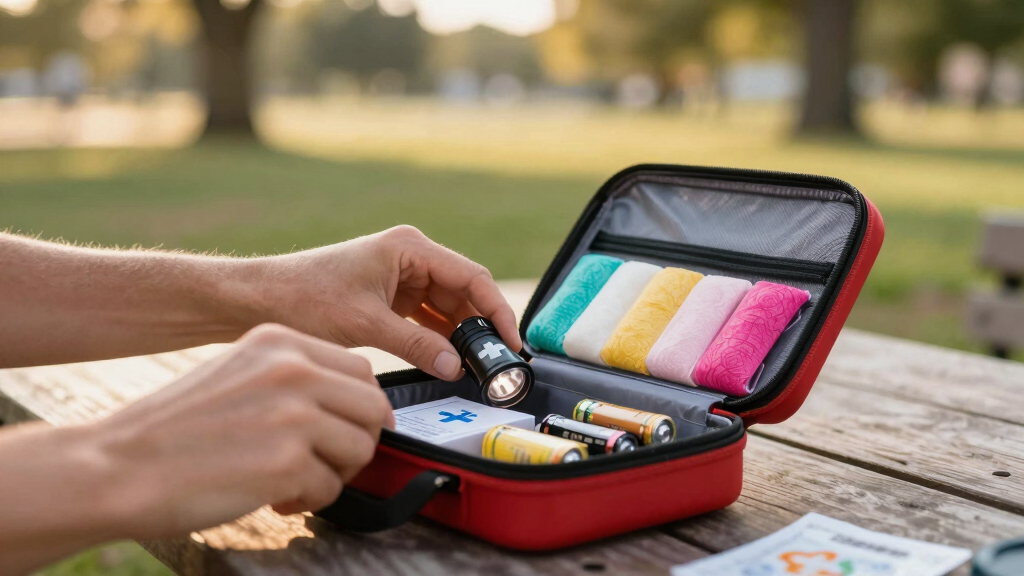
Expired food can make you sick, dead batteries can kill your light source, and old medication may lose potency or become unsafe.
Storage Turns Hostile
Hot attics, damp basements, sheds, and freezing garages accelerate leaks, rust, spoilage, cracking, and contamination.
The Kit Is Too Generic
A household with infants, pets, prescriptions, wildfire smoke, hurricane risk, or mobility needs requires more than a standard checklist.
Nobody Can Reach It Fast
A perfect kit stored behind clutter, locked away, or unknown to family members is dead weight during evacuation pressure.
Tools Stay Unused
Flashlights, water filters, radios, chargers, and first-aid gear need basic orientation before the lights go out.
“Ready” Becomes a Myth
The most dangerous kit is the one that looks complete enough to stop you from checking what is actually inside.
Checklist Reality Check
Use this comparison to separate a bag of supplies from a working emergency system. The highlighted column is the standard to aim for: current, accessible, tailored, and practiced.
| Preparedness Area | Failing Kit | Reliable Kit | Risk Signal |
|---|---|---|---|
| Food and water | ✗ Expired, cloudy, stale, or undercounted | ✓ Dated, rotated, and sized for the household | ~ Illness or shortage |
| Power and light | ✗ Flashlight stored without tested batteries | ✓ Fresh batteries, power bank, and backup charging | ~ Darkness and lost communication |
| First aid | ✗ Missing pain relief, antiseptic, or prescriptions | ✓ Current meds, tailored first aid, and dosage notes | ~ Delayed care |
| Storage | ✗ Garage, shed, damp basement, or hot attic | ✓ Dry, climate-controlled, and near a main exit | ~ Damaged contents |
| Household fit | ✗ No baby, pet, mobility, or regional supplies | ✓ Built around family needs and local hazards | ~ Critical gaps |
The Maintenance Loop
Preparedness is a loop, not a purchase. Put the kit on a recurring calendar, track what expires, replace weak items, and make everyone practice the grab.
Open It
Inspect every pouch, pocket, document sleeve, charger, and first-aid compartment.
Date It
Log food, water, batteries, medication, filters, and documents with expiration dates.
Replace It
Swap spoiled, damaged, weak, missing, or underpowered supplies before they matter.
Store It
Move the kit to a dry, climate-controlled location that everyone can reach quickly.
Drill It
Run a fast access practice so the household knows where it is and how to use it.
Risk Heat Map
The biggest failures are not dramatic. They are routine oversights that compound over time: expired supplies, environmental damage, and a kit that was never customized for the people it is supposed to protect.
Storage Exposure Spectrum
A kit stored in a closet near the main exit stays usable longer than one exposed to heat, moisture, freezing, pests, or clutter. Convenience and climate control are preparedness features.
Smart Kit, Human Habit
Technology can reduce oversight, but it cannot replace ownership. QR codes, RFID tags, scanner apps, and calendar reminders work best when tied to a simple household routine.
Use Tech for Memory
Track contents, expiration dates, quantities, and replacement status with a phone app, shared spreadsheet, QR label, or inventory card. The alert matters because people forget.
Customize for Reality
Hurricane territory needs waterproof storage and extra water. Wildfire zones need respiratory protection. Children, pets, prescriptions, documents, and mobility needs must be designed into the kit.
Traceability: From False Confidence to Working Readiness
Assumption
The kit exists, so the household feels prepared.
Decay
Food, water, batteries, and medication degrade quietly.
Exposure
Heat, moisture, cold, pests, and clutter damage the gear.
Mismatch
Generic contents miss regional and family-specific risks.
Practice
Access drills reveal blocked paths and unfamiliar tools.
Readiness
A maintained, reachable, tailored kit performs under pressure.
Key Takeaways
- Regularly check and replace expired supplies—at least twice a year.
- Store your kit in a climate-controlled, easy-to-access location known to all.
- Customize your kit based on your regional risks and family needs.
- Use technology to track supplies and expiration dates, reducing oversight.
- Practice quick access drills to ensure everyone knows where and how to get the kit.
emergency kit food and water supplies
As an affiliate, we earn on qualifying purchases.
As an affiliate, we earn on qualifying purchases.
Your Kit Grows Old and Outdated—Here’s Why That’s a Big Problem
Emergency supplies aren’t forever, and many people forget to check expiration dates. Food, water, batteries, medications—they all degrade over time, which can compromise their effectiveness during a crisis. For instance, expired food might cause illness, dead batteries leave your flashlight useless when you need it most, and expired medications may lose potency or become unsafe. A 2019 survey found that 65% of kits had expired or degraded supplies, making them unreliable or dangerous during an emergency.
Failing to update your supplies can lead to dangerous situations—imagine reaching for a water bottle only to find it has developed a foul smell or cloudy appearance, indicating spoilage. Or discover your first-aid kit’s antiseptic has turned into a sticky, ineffective goo, rendering it useless for injuries. Regularly updating your supplies ensures they remain safe, effective, and ready to support you when it truly matters. The tradeoff here is time and effort, but the payoff is peace of mind and safety during critical moments.
waterproof emergency kit storage container
As an affiliate, we earn on qualifying purchases.
As an affiliate, we earn on qualifying purchases.
How Poor Storage Conditions Turn Your Kit Into a Deadweight
Your emergency kit’s effectiveness depends heavily on where and how it’s stored. Storing it in a damp basement, a hot attic, or outside in the shed exposes supplies to conditions that accelerate deterioration—batteries leak, food spoils faster, and gear rusts or becomes brittle. For example, a family stored their kit in a garage during a snowstorm, and the freezing temperatures cracked their water bottles and froze their medications, making them unusable when needed.
Choosing a climate-controlled, easily accessible spot—like a closet or a dedicated cabinet near your main exit—preserves the integrity of your supplies. Testing your access regularly ensures that you can grab it quickly in an emergency. The implication is that even the best supplies are worthless if they’re inaccessible or damaged by environmental conditions, so smart storage is an investment in reliability. The tradeoff is in planning and initial effort, but it prevents disaster in the form of useless supplies when you need them most.
As an affiliate, we earn on qualifying purchases.
Are You Missing Critical Supplies? Here’s How to Check
Many kits are incomplete or too generic, which can be dangerous because they don’t account for specific needs or potential scenarios. Having a flashlight without batteries, or a first-aid kit without pain relievers, limits your ability to respond effectively. To truly prepare, it’s essential to run through a comprehensive checklist that considers your environment, family size, health conditions, and pets. For example, living in hurricane-prone areas necessitates waterproof gear and extra water, while families with children or pets should include specific supplies like diapers or pet food.
This process of checking and customizing your kit helps you identify gaps—what’s missing or inadequate—and makes it easier to prioritize replacements or additions. The implication is that a generic kit might provide a false sense of security, but a tailored one addresses real risks and ensures you’re prepared for the specific challenges you might face. The tradeoff involves time and effort in planning, but the result is a more resilient and reliable emergency preparedness system.
As an affiliate, we earn on qualifying purchases.
Regular Checks and Updates Are Your Best Defense
Experts recommend reviewing your kit at least twice a year—spring and fall are ideal seasons—because supplies degrade over time, and your needs may change. During these checks, replace expired items, test batteries, and refresh food supplies. For example, a hiker I know checks his kit every six months, replacing water bottles and updating his first-aid supplies. This proactive approach ensures that when a wildfire threatened his area last summer, he was fully prepared, avoiding dangerous delays or failures.
The key is to establish routines—set reminders and keep a log of your checks. This systematic approach ensures that your kit remains effective rather than becoming a dusty box of outdated supplies. The implication is that regular maintenance is a small investment with significant safety returns, preventing avoidable failures during emergencies. The tradeoff is minimal effort for maximum preparedness, making it an essential habit for every responsible citizen.
Tech Tools That Keep Your Supplies Up-to-Date
Digital tools are revolutionizing emergency preparedness by making it easier to track supplies and expiration dates. RFID tags, QR codes, or smartphone apps can automatically log and monitor your kit’s contents, sending alerts when items are nearing expiration or need replacement. For example, some advanced kits now come with a built-in scanner that syncs with your phone, providing real-time updates on inventory status and expiration dates.
Investing in these tech gadgets reduces the chance of oversight—like forgetting to replace expired batteries or food—and keeps your kit current without requiring manual checks. The implication is that technology can significantly enhance your ability to maintain a reliable emergency kit, but it requires initial investment and some familiarity with digital tools. The tradeoff is convenience and peace of mind, which can be lifesaving during critical moments.
Customizing Your Kit: Why One-Size-Fits-All Fails
A generic emergency kit often fails to meet the specific needs of your family, environment, or lifestyle. Your risks depend on your geographic location, household composition, health issues, and even pets. For example, someone living in hurricane territory should include waterproof gear, extra water, and sandbags, while a family with young children should add diapers, baby food, and extra clothing. Pets require special supplies like food, bowls, and medications. A couple living near wildfire zones keeps respiratory masks and extra face coverings—items most generic kits overlook—because these are critical for their safety.
Personalizing your kit ensures it addresses your unique risks and circumstances, making it more effective and resilient. It also considers tradeoffs—adding more supplies increases weight and cost but provides better protection. The implication is that a one-size-fits-all approach can leave gaps or unnecessary bulk, whereas customization optimizes your preparedness. The tradeoff involves effort and expense upfront but results in a tailored, more reliable safety net.
The Best Places to Store Your Emergency Gear (And How to Test Access)
Storing your kit in an inaccessible or risky spot defeats its purpose. Avoid sheds, garages, or basements prone to flooding, extreme heat, or pests. Instead, choose a dry, climate-controlled location near your main exit, such as a closet or a sealed cabinet, to protect supplies from environmental damage. Ensuring quick access is equally important—regularly practicing grabbing the kit during mock drills helps identify any obstacles or delays.
The implication is that storage location directly impacts the kit’s usability during an emergency. If you can’t find or reach it quickly, all the effort in assembling supplies is wasted. Testing access ensures that everyone in your household understands where it is and can retrieve it swiftly. The tradeoff is in planning and regular practice, which are simple but crucial steps to ensure your preparedness is effective when it counts.
Frequently Asked Questions
How often should I check and update my emergency kit?
Experts recommend reviewing your kit at least twice a year—spring and fall. During these checks, replace expired items, test batteries, and refresh food supplies. Staying proactive keeps your kit ready for real emergencies.
What are the most essential items to include?
Key essentials are water (at least 1 gallon per person per day), non-perishable food, a flashlight with extra batteries, medications, first aid supplies, important documents, and a multi-tool. Tailor your kit for your specific needs.
How can I make my kit more personalized?
Add items unique to your family—baby supplies, pet food, medical gear, or regional tools like wildfire masks or earthquake straps. Personalization ensures your kit supports your specific risks and lifestyle.
Where should I store my emergency kit?
Choose a dry, climate-controlled spot near your main exit, easily accessible to everyone. Avoid areas prone to flooding or extreme temperatures. Regularly test access by doing mock drills.
Are there tech tools to help manage my supplies?
Yes, RFID tags, QR codes, and mobile apps can track expiration dates and inventory. Some kits incorporate these for smarter, more reliable management of your supplies.
Conclusion
Your emergency kit only works if it’s alive—meaning it’s current, accessible, and tailored to your life. A neglected kit is just a box of useless supplies waiting to fail you when disaster hits.
Keep it fresh, stored smartly, and practiced. That’s the real difference between preparedness and false security. When the next emergency comes, you’ll thank yourself for staying vigilant today.
NFL season / tailgating Picks
team gear
As an affiliate, we earn on qualifying purchases.