TL;DR

Get sports gear delivered free — and shop member deals
- Fast, free delivery on millions of items
- Access to Prime Big Deal Days deals on October 6–7
- Prime Video, Amazon Music and more included
An Outdoor Life report published Oct. 4 describes float hunting as a way to reach remote deer habitat and potentially avoid other hunters. The account shares successful hunts from Wisconsin and elsewhere, but it is a reported tactic, not evidence that it is universally the “best” method; rules and conditions vary by location.
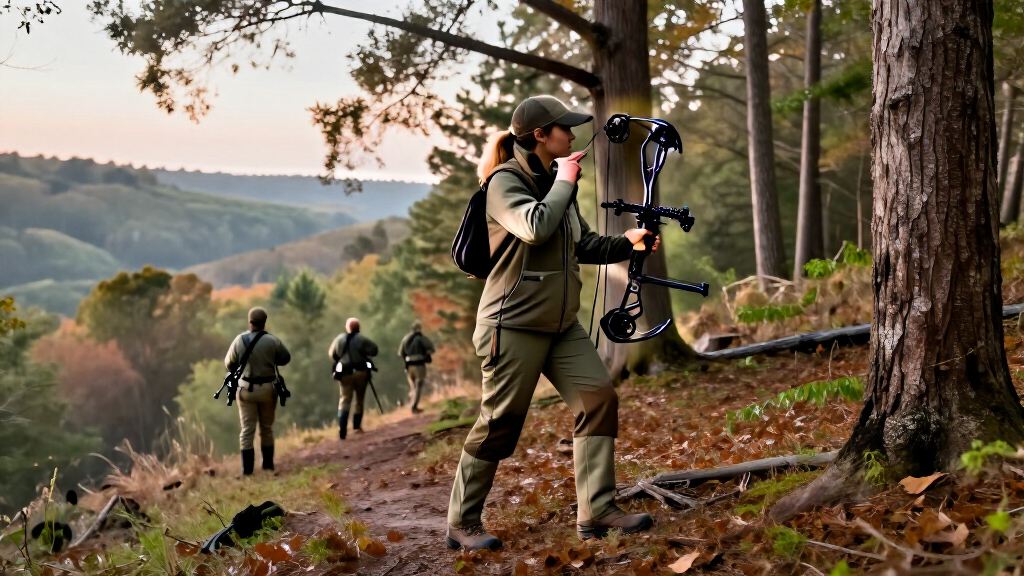
Outdoor Life reported Oct. 4 on float hunting for deer, a traditional approach in which hunters use a canoe to travel rivers and reach hunting areas that may be difficult to access by road. The account describes successful whitetail hunts and argues the method can reduce encounters with other hunters, though access, safety and legality depend on local conditions and regulations.
The article’s author recounts spotting five bucks in a remote area bordered by three rivers, with no roads within about six miles. After locating the area on topographic maps, the author returned with a bow and camping gear, traveled up a tributary, and hunted for five days. The author reported seeing bucks each day, harvesting an eight-pointer and encountering no other people or signs of hunters.
A second account describes the author and his wife drifting in a canoe on Wisconsin’s East Fork of the Black River. They launched near City Point and planned to finish at Lake Arbutus, leaving a vehicle there for pickup. The pair used quiet paddling, stayed close to the bank and paused at river bends to look ahead. The author says they harvested two deer in one day and saw about a dozen.
The report presents these experiences as examples, not a guarantee of success. It says early morning and late afternoon can be productive times to spot deer near rivers. The account also emphasizes checking state rules: hunting from or around a canoe may be permitted, but regulations differ. Hunters should confirm rules for their location before going.
A Route to Less-Pressured Ground
Float hunting matters to readers who are looking for ways to reach less-accessible deer habitat, particularly where roads and conventional trail access are limited. A river can serve as both a travel route and a way to cover stretches of shoreline without walking through the area first. The report’s remote-site example illustrates why that may bring hunters into contact with fewer people.
That advantage is situational, not guaranteed. Water levels, current, weather, landing locations and the presence of other river users can all affect a trip. Canoe travel also adds logistical demands: hunters need a plan for transporting equipment, recovering harvested game and arranging a vehicle at the takeout. The article does not compare success rates with other hunting methods, so its claim that float hunting works best for avoiding other hunters should be understood as the author’s experience rather than a measured finding.
As an affiliate, we earn on qualifying purchases.
How the River Hunts Unfolded
The report draws on decades of the author’s experience with float hunting, including trips with his wife. In the Wisconsin account, they set out before daylight for a route that was expected to take nearly a day. The author describes padding the canoe to reduce noise and using the river’s bends and obstacles to approach deer. Those details explain the method described in the report; they are not a substitute for safe boating or hunting practices.
The separate five-day trip began after the author noticed deer while drifting on a river during a duck hunt. Topographic maps helped identify a secluded area, and the author camped on an oak ridge after paddling up a stream and crossing a beaver dam. The two accounts show different uses of a canoe: reaching a remote base camp and slowly moving along a river while hunting.
““Such overlooked sections are found on most large watercourses and can offer excellent, uncrowded hunting opportunities for deer.””
— Outdoor Life report author
As an affiliate, we earn on qualifying purchases.
Rules and Conditions Vary
The report does not identify a single set of regulations that applies to all readers. Hunting, weapon use, shooting from a watercraft, transport of a harvested animal and access to waterways may be governed by different state and local rules. The author says regulations vary and advises checking them carefully; readers should consult current official rules for the specific waterway and hunting unit.
The article also gives no comparative data on harvest rates, hunter density or how often float hunters encounter other people. Its examples are personal accounts, and the conditions on those trips may not reflect other rivers or seasons. Water safety details, including how to handle changing currents or poor weather, are not fully addressed in the report.
As an affiliate, we earn on qualifying purchases.
Check Local Rules Before Launch
Anyone considering the tactic should first review current state wildlife regulations and waterway access rules, then assess whether the route is suitable for the season and their boating experience. Planning includes identifying launch and takeout points, arranging transport, checking forecasts and water conditions, and deciding how harvested game can be retrieved without compromising safety or legal compliance.
The Outdoor Life report is seasonal guidance rather than a notice of a regulatory change or a newly documented hunting trend. Its immediate takeaway is that a canoe may help hunters reach overlooked river habitat; whether that makes a particular hunt quieter or more productive remains dependent on the location, timing and individual circumstances.
As an affiliate, we earn on qualifying purchases.
Key Questions
What is float hunting for deer?
Float hunting uses a canoe or similar watercraft to travel along a river while looking for deer, or to reach a remote hunting area. The Outdoor Life report describes both approaches.
Does hunting from a canoe make a hunt more successful?
The report describes successful hunts, but it provides no comparative success-rate data. Results depend on the river, access, deer activity, conditions and the hunter’s planning.
Is canoe-based deer hunting legal everywhere?
No single rule applies everywhere. The report says regulations vary by state; hunters should check current official rules covering hunting, watercraft, weapons and the specific location.
What did the Wisconsin trip involve?
The author and his wife floated the East Fork of the Black River toward Lake Arbutus, using quiet paddling and river bends to look for deer. The author reported harvesting two deer and seeing about a dozen on that trip.
Source: rss
Fall Picks
fall essentials
As an affiliate, we earn on qualifying purchases.